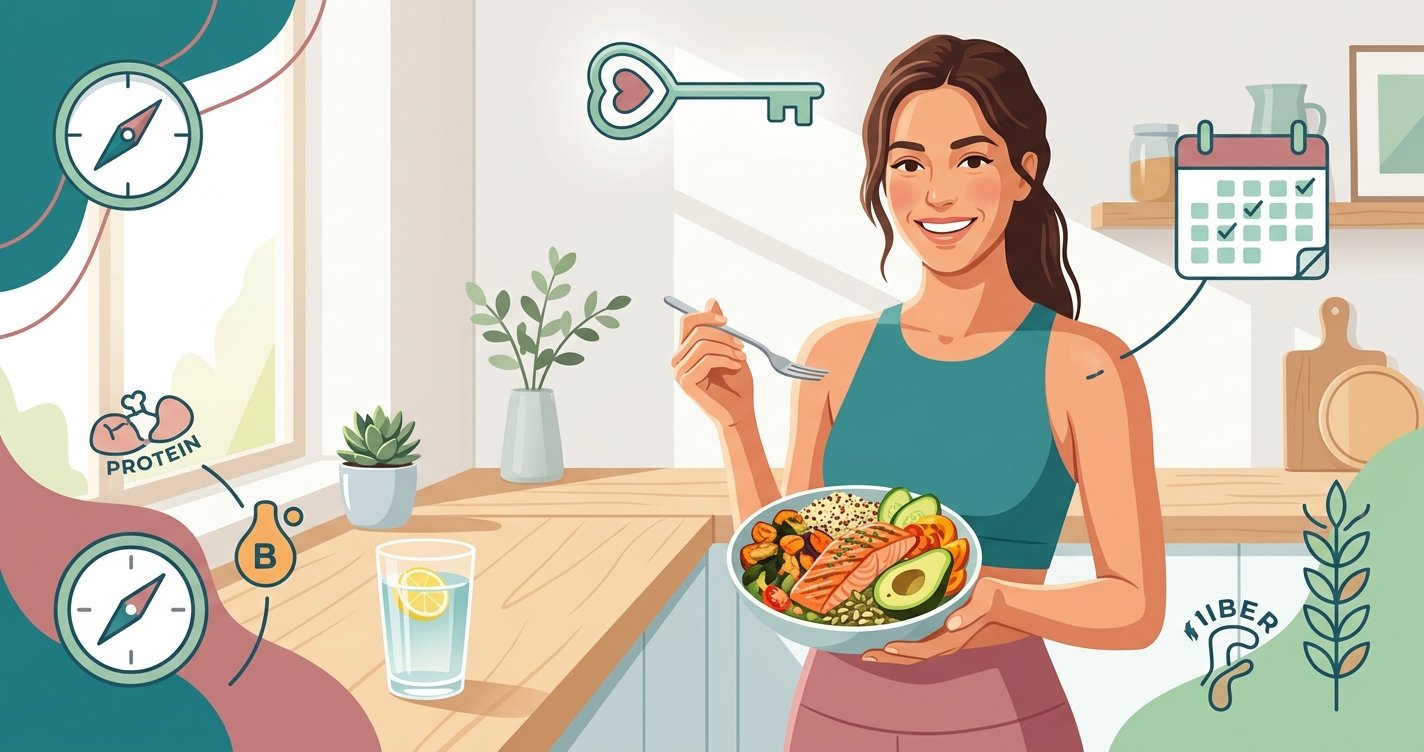
Are you tired of the endless cycle of restrictive diets, quick fixes, and disappointing results when it comes to fat loss? You're not alone. Many of us have been there, chasing the latest fad only to find ourselves back where we started, often feeling more frustrated than before. The truth is, sustainable fat loss isn't about deprivation; it's about understanding your body, making smart choices, and building habits that last a lifetime. This comprehensive guide will equip you with evidence-based nutrition strategies to help you achieve lasting fat loss, improve your health, and feel fantastic – without sacrificing your love for food.
Why Fad Diets Fail (And What Works Instead)
The allure of rapid weight loss is powerful, leading many to jump on board with highly restrictive diets that promise the world. However, these often lead to nutrient deficiencies, metabolic slowdown, and an inevitable rebound once the diet ends. Your body is smart; it's designed for survival, and extreme calorie restriction can trigger protective mechanisms that make long-term fat loss incredibly difficult. this excellent wellness product
The Problem with Restriction
Fad diets often cut out entire food groups, creating an unsustainable eating pattern. This can lead to intense cravings, feelings of deprivation, and a poor relationship with food. When you suddenly reintroduce these 'forbidden' foods, it's easy to overeat, leading to weight regain and the dreaded 'yo-yo' effect. Sustainable fat loss isn't about what you can't eat, but rather about making better choices most of the time.
Shifting Your Mindset: From Dieting to Lifestyle
Instead of viewing your eating habits as a temporary diet, think of them as a permanent lifestyle upgrade. This shift in perspective is crucial. Sustainable fat loss is about creating a balanced, enjoyable way of eating that you can maintain indefinitely. It's about nourishment, not punishment, and understanding that progress is a journey, not a destination.
The Core Principles of Sustainable Fat Loss Nutrition
While there's no magic bullet, certain fundamental principles consistently support healthy, sustainable fat loss. These aren't complicated, but they require consistency and a bit of planning.
Calorie Deficit: The Non-Negotiable Foundation
At its heart, fat loss comes down to a simple equation: you must consume fewer calories than your body expends. This is known as a calorie deficit. While the concept is simple, executing it sustainably is key. Aim for a moderate deficit (around 300-500 calories below your maintenance level) to promote steady fat loss without triggering extreme hunger or metabolic adaptations that work against you. Tools like online calculators can estimate your daily calorie needs, but listening to your body and tracking your intake for a short period can provide valuable insights.
Prioritizing Protein: Your Satiety & Muscle Ally
Protein is arguably the most important macronutrient for fat loss. It's highly satiating, meaning it keeps you feeling fuller for longer, reducing overall calorie intake. Furthermore, protein has a higher thermic effect of food (TEF) than carbs or fats, meaning your body burns more calories digesting it. Crucially, adequate protein intake helps preserve muscle mass during a calorie deficit, which is vital because muscle tissue burns more calories at rest than fat tissue. Aim for 0.7-1 gram of protein per pound of body weight daily, distributed across your meals. Excellent sources include lean meats, poultry, fish, eggs, dairy, legumes, and tofu.
Embrace Whole Foods: Fueling Your Body Right
Focusing on whole, unprocessed foods is a cornerstone of sustainable fat loss. These foods – fruits, vegetables, whole grains, lean proteins, and healthy fats – are rich in nutrients, fiber, and water, making them incredibly satiating and beneficial for overall health. They provide sustained energy and help regulate blood sugar, preventing the energy crashes and cravings often associated with processed foods. Swapping out refined sugars and processed snacks for whole food alternatives is one of the most impactful changes you can make.
The Power of Fiber: Fullness and Gut Health
Dietary fiber, found abundantly in fruits, vegetables, whole grains, and legumes, is a secret weapon for fat loss. Fiber adds bulk to your meals without adding significant calories, promoting feelings of fullness and helping to regulate digestion. It also plays a crucial role in gut health, supporting a healthy microbiome which is increasingly linked to weight management. Make an effort to include a variety of high-fiber foods in every meal to keep hunger at bay and support your digestive system.
Healthy Fats: Essential for Hormones and Satiety
Don't fear fats! While calorie-dense, healthy fats are essential for hormone production, nutrient absorption, and long-term satiety. Including sources of monounsaturated and polyunsaturated fats – like avocados, nuts, seeds, olive oil, and fatty fish – in moderation can help keep you satisfied and prevent overeating. They also contribute to the flavor and enjoyment of your meals, making your sustainable eating plan far more appealing.
Practical Strategies for Everyday Success
Knowing the principles is one thing; putting them into practice is another. Here are actionable tips to integrate sustainable nutrition into your daily life.
Meal Planning & Preparation: Your Secret Weapon
One of the biggest hurdles to healthy eating is a lack of planning. Dedicate some time each week to plan your meals and snacks, and if possible, do some meal prep. This might involve chopping vegetables, cooking a batch of grains, or preparing a few protein sources. Having healthy options readily available dramatically reduces the likelihood of reaching for less nutritious, convenient foods when hunger strikes.
Portion Control Made Simple
Even healthy foods can contribute to a calorie surplus if eaten in excessive amounts. Learn to understand appropriate portion sizes. Using smaller plates, visually estimating portions (e.g., a deck of cards for protein, a cupped hand for grains), and paying attention to your body's hunger and fullness cues can be incredibly effective. Remember, it's about balance, not strict restriction.
Hydration: Often Overlooked, Always Important
Drinking enough water is vital for overall health and plays a surprising role in fat loss. Sometimes, our bodies confuse thirst with hunger. Staying well-hydrated can help manage appetite, boost metabolism slightly, and support proper bodily functions. Aim for at least 8 glasses of water a day, and consider drinking a glass before meals to aid satiety.
Mindful Eating: Reconnecting with Your Body's Signals
In our busy lives, eating often becomes a rushed, unconscious act. Mindful eating encourages you to slow down, savor your food, and truly pay attention to your body's hunger and fullness signals. Eat without distractions (like screens), chew slowly, and appreciate the flavors and textures. This practice can help you eat less, enjoy your food more, and develop a healthier relationship with eating.
Navigating Challenges and Staying Consistent
Life happens, and there will be times when sticking to your plan feels difficult. Here’s how to navigate common challenges.
Dealing with Cravings
Cravings are normal! Instead of fighting them with sheer willpower, try to understand them. Are you truly hungry, or is it boredom, stress, or habit? Sometimes, a craving can be satisfied with a healthier alternative. Other times, allowing yourself a small, controlled portion of what you truly desire can prevent a full-blown binge. The key is moderation and not letting one indulgence derail your entire effort.
Social Situations and Eating Out
Don't let social events become an excuse to abandon your goals. Plan ahead: look at restaurant menus online, choose leaner options, ask for sauces on the side, and don't be afraid to ask for a doggy bag to manage portions. Enjoy the company and conversation; food doesn't have to be the sole focus. Remember, it's about making the best choices available to you in any given situation.
The Importance of Patience and Progress Tracking
Sustainable fat loss takes time. The scale might fluctuate, and progress won't always be linear. Focus on non-scale victories: increased energy, better sleep, clothes fitting differently, and improved mood. Track your progress not just by weight, but by how you feel, your measurements, and your strength. Celebrate small wins and be patient with yourself.
Beyond the Plate: Lifestyle Factors that Support Fat Loss
While nutrition is paramount, other lifestyle elements significantly impact your fat loss journey. Prioritize quality sleep (7-9 hours) to regulate hunger hormones (ghrelin and leptin) and improve insulin sensitivity. Manage stress levels through meditation, yoga, or hobbies, as chronic stress can lead to increased cortisol and belly fat. And, of course, incorporate regular physical activity, combining strength training with cardiovascular exercise, to build muscle, burn calories, and boost your metabolism.
Your Journey to Lasting Fat Loss Starts Now
Achieving sustainable fat loss isn't about perfection; it's about consistency, education, and building a supportive lifestyle. By focusing on a moderate calorie deficit, prioritizing protein and whole foods, staying hydrated, and practicing mindful eating, you're setting yourself up for success. Remember to be patient, kind to yourself, and celebrate every step of your progress. This isn't just about losing weight; it's about gaining health, energy, and a confident, vibrant you. Start making small, positive changes today – your future self will thank you!