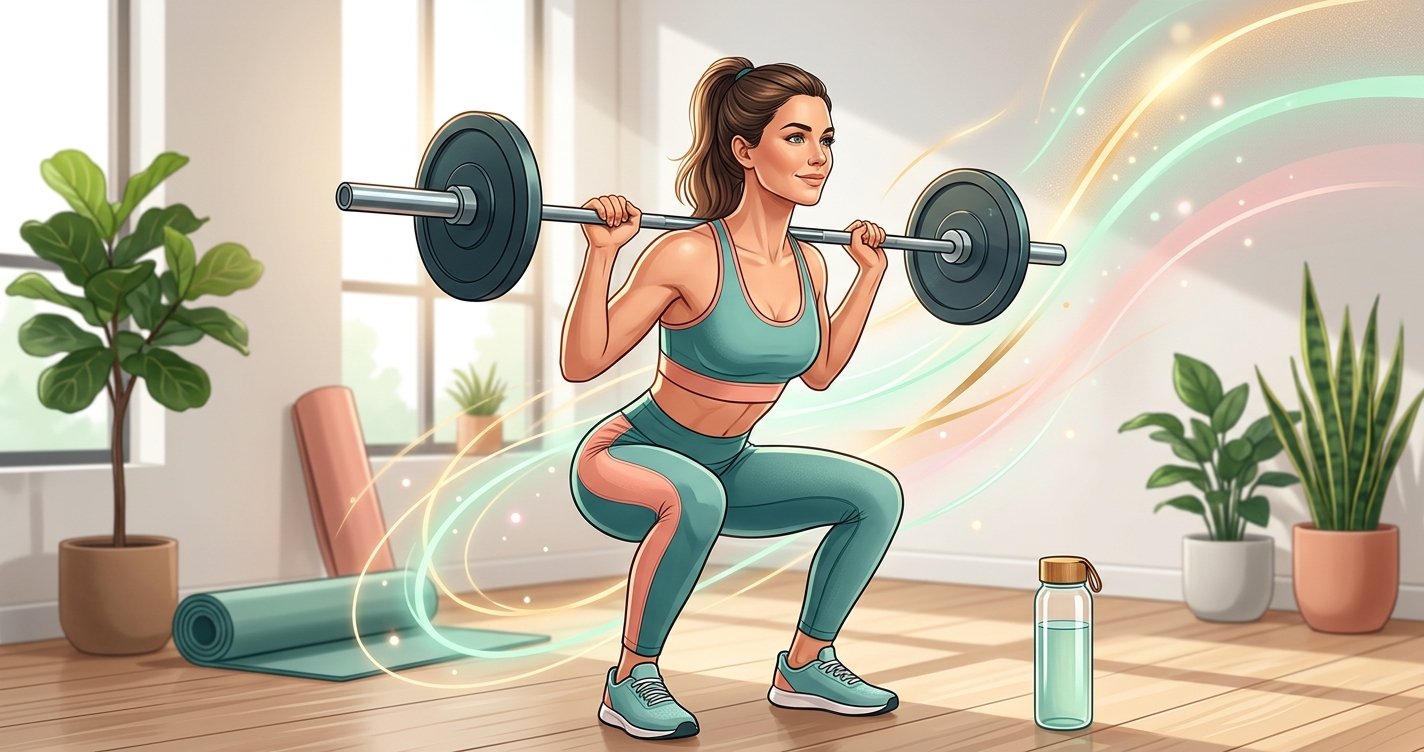
Lift Your Way Lean: Why Strength Training is Your Ultimate Fat Loss Accelerator
When you think about fat loss, what’s the first thing that comes to mind? For many, it’s endless hours on the treadmill, restrictive diets, or maybe even those intense, high-impact cardio classes. While cardio and nutrition certainly play crucial roles, there’s a powerful, often underestimated player in the fat loss game that deserves center stage: strength training.
That's right, lifting weights isn't just for bodybuilders or gym fanatics. It's an incredibly effective, evidence-based strategy for sustainable fat loss, body recomposition, and boosting your overall health. Forget the fear of 'getting bulky' – we're talking about building a stronger, leaner, and more metabolically efficient you. Ready to discover how pumping iron can help you shed fat for good? Let's dive in! this excellent wellness product
Beyond the Scale: Why Strength Training is Your Fat Loss Secret Weapon
Strength training offers a cascade of benefits that go far beyond just burning calories during your workout. It fundamentally changes your body's composition and metabolic machinery, making it a fat-burning powerhouse.
The Metabolic Magic: How Muscle Burns More Calories
Here’s the undeniable truth: muscle tissue is metabolically more active than fat tissue. This means that even at rest, your muscles are burning more calories just to maintain themselves. The more muscle you have, the higher your Basal Metabolic Rate (BMR) – the number of calories your body burns simply to exist. By consistently engaging in strength training, you build and preserve this precious muscle mass, effectively turning your body into a more efficient, 24/7 fat-burning furnace.
EPOC: The Afterburn Effect
Ever feel a lingering warmth or elevated heart rate after a challenging workout? That's your body's way of telling you it's still working hard! Strength training creates a significant 'afterburn effect,' scientifically known as Excess Post-exercise Oxygen Consumption (EPOC). After a strenuous lifting session, your body continues to burn extra calories for hours, sometimes even up to 48 hours, as it recovers, repairs muscle tissue, and restores its energy stores. This post-workout calorie expenditure is significantly higher with strength training compared to steady-state cardio.
Body Composition Over Weight: A Healthier Perspective
One of the most profound shifts strength training brings is in your body composition. You might notice the number on the scale not dropping as dramatically as you'd expect, but your clothes fit better, your waistline shrinks, and you look firmer and more toned. This is because muscle is denser than fat. You could gain a pound of muscle and lose a pound of fat, and the scale wouldn't budge, but your body would look and feel completely different – leaner, stronger, and healthier. Focusing on body composition (the ratio of fat to muscle) rather than just scale weight is a far more accurate and motivating measure of fat loss success.
Debunking Myths: You Won't Get "Bulky" (Unless You Want To!)
This is perhaps the biggest fear, especially for women, when it comes to lifting weights. Let's be clear: becoming 'bulky' without intentional effort, specific training protocols, and often, significant dietary intake (and sometimes, hormonal support) is extremely difficult, especially for women. Women naturally have lower levels of testosterone, the primary hormone responsible for significant muscle hypertrophy (growth). You'll build lean, functional muscle that gives you a toned, strong physique, not an oversized one.
Tailoring Your Routine for Your Goals
The beauty of strength training is its adaptability. Whether your goal is to be lean and toned, build significant strength, or somewhere in between, your training program can be tailored. The focus for fat loss is typically on compound movements, moderate to higher reps, and progressive overload, which we'll discuss next.
Getting Started: Your Strength Training Blueprint for Fat Loss
Ready to pick up some weights? Here’s how to build an effective strength training routine for fat loss.
Frequency and Consistency: How Often to Lift
Aim for 2-4 strength training sessions per week. This allows enough stimulus for muscle growth and repair, while also providing adequate rest. Consistency is key – showing up regularly is more important than having a 'perfect' workout once a month.
Exercise Selection: Compound Movements Are King
Compound exercises work multiple muscle groups and joints simultaneously, making them incredibly efficient for burning calories and building overall strength. Think about movements like:
- Squats: Barbell squats, goblet squats, front squats
- Deadlifts: Conventional deadlifts, sumo deadlifts, Romanian deadlifts
- Presses: Bench press, overhead press, push-ups
- Rows: Barbell rows, dumbbell rows, seated cable rows
- Lunges: Walking lunges, stationary lunges
Incorporate a mix of these into your routine, along with some isolation exercises (like bicep curls or tricep extensions) to round out your program.
Progressive Overload: The Key to Continued Progress
Your muscles adapt. To keep getting stronger and stimulating fat loss, you need to continually challenge them. This is called progressive overload. It means gradually increasing the demands placed on your muscles over time. This can be achieved by:
- Increasing the weight: Lift heavier than last time.
- Increasing reps: Do more repetitions with the same weight.
- Increasing sets: Perform more sets of an exercise.
- Decreasing rest time: Shorten the breaks between sets.
- Improving form: Execute the movement more efficiently and with better control.
Track your workouts to ensure you're consistently aiming for progress.
Don't Forget Recovery and Nutrition
Your muscles don't grow in the gym; they grow during recovery. Ensure you're getting adequate sleep (7-9 hours) and fueling your body with nutrient-dense foods, especially protein, to support muscle repair and growth.
Fueling Your Progress: The Nutritional Edge
While strength training is powerful, it works synergistically with smart nutrition. You can't out-train a poor diet, but you can certainly optimize your results with the right fuel.
Protein Power: Essential for Muscle Preservation and Growth
Protein is paramount for fat loss when strength training. It helps repair muscle tissue after workouts, which is crucial for building and maintaining muscle mass. Furthermore, protein is highly satiating, helping you feel fuller for longer, which can reduce overall calorie intake. Aim for 0.7-1 gram of protein per pound of body weight per day, distributed throughout your meals.
Smart Carbohydrates and Healthy Fats
Don't fear carbs! They are your body's primary energy source and essential for fueling intense workouts. Focus on complex carbohydrates like whole grains, fruits, and vegetables. Healthy fats (avocado, nuts, seeds, olive oil) are vital for hormone production and overall health. Maintain a slight calorie deficit to encourage fat loss, but ensure you're getting enough energy to perform well and recover.
Hydration: Often Overlooked, Always Important
Water plays a critical role in metabolic processes, nutrient transport, and even helps with satiety. Make sure you're drinking plenty of water throughout the day, especially around your workouts.
Making It Stick: Sustainable Habits for Long-Term Success
The goal isn't just to lose fat; it's to keep it off and maintain a healthy lifestyle. Here’s how to make strength training a lasting part of your routine.
Find What You Enjoy
Whether it's lifting free weights, using machines, trying a CrossFit class, or bodyweight exercises, find a form of strength training that you genuinely enjoy. This significantly increases your chances of sticking with it long-term.
Set Realistic Goals
Fat loss and muscle gain take time. Celebrate small victories, focus on consistency, and avoid comparing your journey to others. Your progress is unique to you.
Track Your Progress (Beyond the Scale)
Keep a workout journal to track weights, reps, and sets. Take progress photos and measurements. Notice how your clothes fit. These non-scale victories often provide more motivation and a truer reflection of your body's transformation than the number on the scale.
Conclusion
Strength training isn't just about building bigger muscles; it's about building a healthier, stronger, and more metabolically efficient you. It's your secret weapon for sustainable fat loss, helping you burn more calories at rest, sculpt your physique, and boost your confidence. By embracing the weights, fueling your body wisely, and staying consistent, you'll not only shed unwanted fat but also cultivate a powerful, resilient body that serves you for years to come. So, what are you waiting for? It's time to lift your way lean and unlock your full potential!