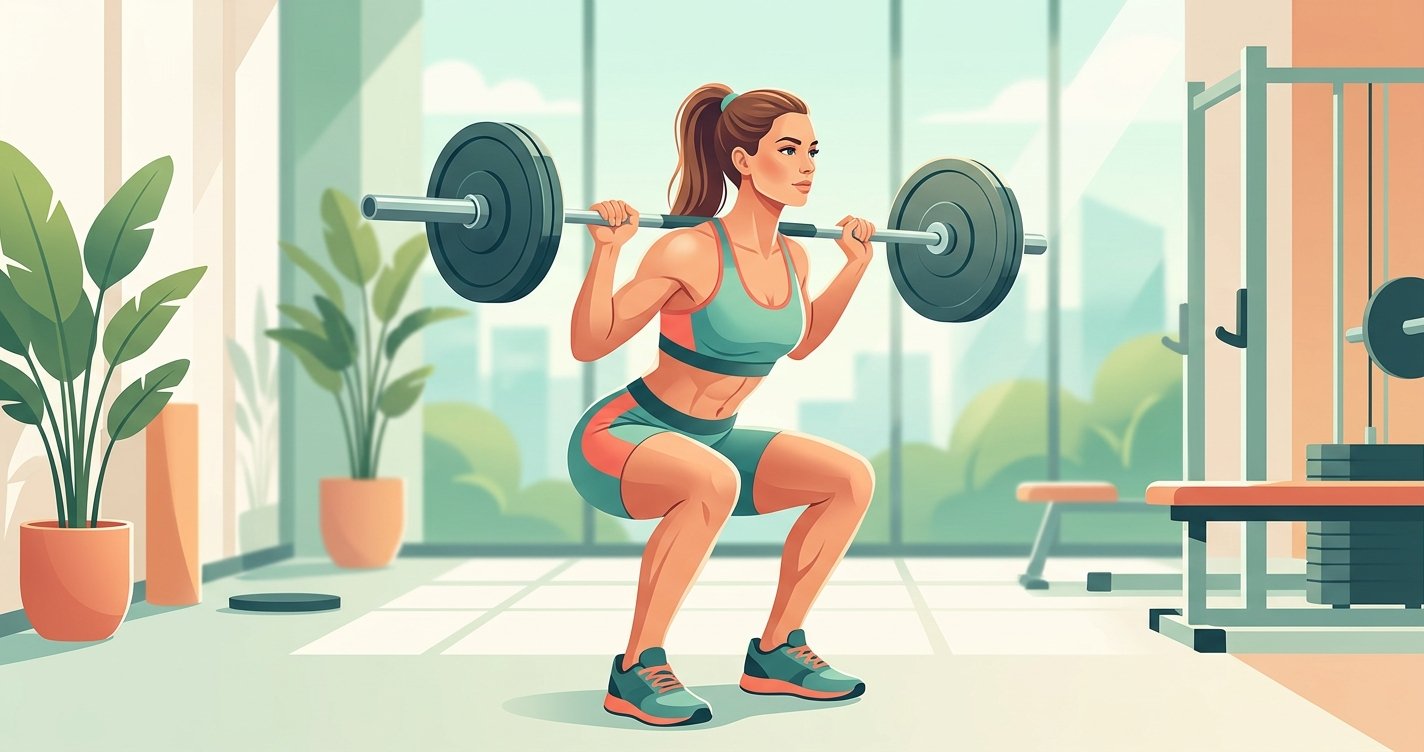
Tired of Endless Cardio? Discover the True Fat-Loss Power of Strength Training!
For decades, the fat loss conversation has been dominated by one word: cardio. Hit the treadmill, pound the pavement, sweat it out for hours – that’s the mantra many of us grew up with. While cardiovascular exercise certainly has its place in a healthy lifestyle, if sustainable, transformative fat loss is your primary goal, you might be missing out on the real game-changer: strength training.
Forget the fear of 'bulking up' or the misconception that lifting weights is only for bodybuilders. Strength training is a powerful, evidence-based tool for everyone looking to shed stubborn fat, sculpt their physique, and build a stronger, healthier body. In this post, we’re going to dive deep into why lifting weights isn't just a complement to your fat loss journey, but often the most effective, efficient, and enjoyable path forward. Get ready to redefine your relationship with the gym! this excellent wellness product
Why Strength Training is Your Fat Loss Secret Weapon
When it comes to burning fat, strength training offers a unique set of advantages that steady-state cardio simply can't match. It's not just about the calories you burn during your workout; it's about the profound metabolic shifts that happen within your body, both during and long after you've racked the weights.
- Metabolic Boost: Muscle is metabolically active tissue. The more muscle you have, the more calories your body naturally burns at rest. Think of it like upgrading your internal engine – a bigger engine burns more fuel, even when idling.
- Targeted Fat Loss: While you can't spot-reduce fat, strength training helps improve your overall body composition by building muscle while simultaneously reducing fat mass. This leads to a leaner, more 'toned' appearance.
- Improved Insulin Sensitivity: Regular strength training can enhance your body's ability to use insulin effectively, which is crucial for managing blood sugar levels and preventing fat storage.
The Afterburn Effect (EPOC) Explained: Keep Burning Calories Post-Workout
One of the most exciting benefits of strength training for fat loss is something called EPOC, or Excess Post-exercise Oxygen Consumption – more commonly known as the 'afterburn effect.' Unlike steady-state cardio, which primarily burns calories only while you're doing it, an intense strength training session kicks your metabolism into overdrive for hours, and sometimes even days, after you've finished.
Here's how it works: When you challenge your muscles with weights, your body needs extra oxygen to recover, repair muscle tissue, replenish energy stores, and return to its pre-exercise state. This recovery process requires energy, meaning your body continues to burn calories at an elevated rate even when you're resting. This sustained metabolic boost is a significant advantage for long-term fat loss, turning your body into a more efficient, fat-burning machine around the clock.
Building Muscle, Burning More: Your Metabolism's Best Friend
Let's get back to that 'metabolic engine' analogy. Every pound of muscle you gain contributes to a higher Resting Metabolic Rate (RMR). This means that even when you're sleeping, working at your desk, or simply relaxing on the couch, your body is burning more calories just to maintain that muscle tissue compared to fat tissue. While the exact numbers vary, it's widely accepted that muscle tissue is significantly more metabolically active than fat tissue.
This is the cornerstone of sustainable fat loss. Instead of constantly chasing calorie deficits through extreme dieting or endless cardio, you're building a foundation that naturally increases your daily energy expenditure. Over time, this makes maintaining a healthy weight much easier and more sustainable, breaking the cycle of restrictive dieting and rebound weight gain.
Beyond the Scale: Body Composition and Aesthetics
One of the most rewarding aspects of strength training is how it transforms your body composition. The scale might not always show dramatic drops, especially if you're gaining muscle while losing fat, but the mirror, your clothes, and your overall health metrics will tell a different story.
- Reshaped Physique: Strength training helps you build lean muscle, which gives your body a firmer, more 'toned' appearance. It can help you achieve that coveted hourglass shape, broader shoulders, or a tighter core, regardless of your starting point.
- Improved Posture: Strengthening your core and back muscles naturally improves your posture, making you stand taller and appear more confident.
- Functional Strength: Beyond aesthetics, you'll notice everyday tasks become easier – carrying groceries, lifting children, climbing stairs. This functional strength significantly enhances your quality of life.
- Increased Bone Density: Weight-bearing exercises are crucial for building and maintaining strong bones, reducing the risk of osteoporosis as you age.
Getting Started: Your Strength Training Blueprint
Ready to embrace the weights? Here’s a simple blueprint to help you begin your strength training journey safely and effectively:
- Frequency: Aim for 2-4 strength training sessions per week, allowing at least 48 hours of rest for each muscle group.
- Compound Movements Are King: Focus on exercises that work multiple muscle groups simultaneously. Think squats, deadlifts, lunges, push-ups, overhead presses, and rows. These are efficient and highly effective for overall strength and fat loss.
- Sets & Reps: For general fat loss and muscle building (hypertrophy), aim for 3-4 sets of 8-12 repetitions per exercise. Choose a weight that makes the last few reps challenging but allows you to maintain good form.
- Progressive Overload: This is crucial! To keep seeing results, you must continually challenge your muscles. This means gradually increasing the weight, doing more reps, adding more sets, or decreasing rest time as you get stronger.
- Prioritize Form: Proper technique is paramount to prevent injury and ensure you're effectively targeting the right muscles. If unsure, consider hiring a certified personal trainer for a few sessions to learn the basics.
- Warm-up & Cool-down: Always start with 5-10 minutes of light cardio and dynamic stretches, and finish with static stretches to improve flexibility and aid recovery.
Common Myths Debunked: Addressing Your Concerns
It's time to bust some common myths that might be holding you back from embracing strength training:
- “Women will get bulky”: This is perhaps the biggest myth! Women simply don't have the same levels of testosterone as men, which is the primary hormone responsible for significant muscle growth. Building substantial muscle mass takes years of dedicated, intense training and often a very specific diet. Strength training will lead to a lean, strong, and sculpted physique, not a bulky one.
- “Cardio is better for fat loss”: As we've discussed, while cardio burns calories during the activity, strength training offers a more sustained metabolic boost and builds muscle, which fundamentally changes your body's fat-burning potential long-term. A combination of both is ideal, but strength training should be a cornerstone.
- “I’m too old/unfit to lift weights”: Strength training is highly adaptable. You can start with bodyweight exercises, resistance bands, or light weights. Consult with a doctor or physical therapist if you have pre-existing conditions, but generally, it's safe and beneficial for people of all ages and fitness levels.
Fueling Your Progress: Nutrition for Optimal Results
While strength training is incredibly powerful, it works best when paired with smart nutrition. To optimize fat loss and muscle preservation:
- Adequate Protein: Aim for 0.7-1 gram of protein per pound of body weight daily. Protein is essential for muscle repair and growth, and it also helps you feel fuller, reducing cravings.
- Balanced Macronutrients: Don't cut out entire food groups. Include healthy fats for hormone function and satiety, and complex carbohydrates for energy to fuel your workouts.
- Calorie Deficit (but not too extreme): To lose fat, you need to consume fewer calories than you burn. However, an overly aggressive deficit can lead to muscle loss. Aim for a moderate deficit (250-500 calories below maintenance) to preserve muscle while losing fat.
- Hydration: Drink plenty of water throughout the day. It's crucial for metabolic function, nutrient transport, and overall health.
Consistency is Key: The Long Game to Lasting Change
Remember, fat loss and body transformation are not quick fixes; they are journeys that require patience, dedication, and consistency. You won't see dramatic changes overnight, but with consistent effort in the gym and kitchen, you will see progress.
Celebrate small victories, focus on improving your strength and form, and trust the process. Strength training is not just about changing your body; it's about building resilience, discipline, and a profound sense of accomplishment. It's about investing in a stronger, healthier, and more vibrant you.
Embrace the Weights, Transform Your Life!
It's time to re-evaluate your fat loss strategy. While cardio has its place, strength training offers a powerful, sustainable, and incredibly rewarding path to not just shedding fat, but truly transforming your body composition, boosting your metabolism, and building lasting strength and confidence. Don't be afraid to pick up those weights – your lean, strong, and healthy future self will thank you for it. Start today, stay consistent, and lift your way to a better you!