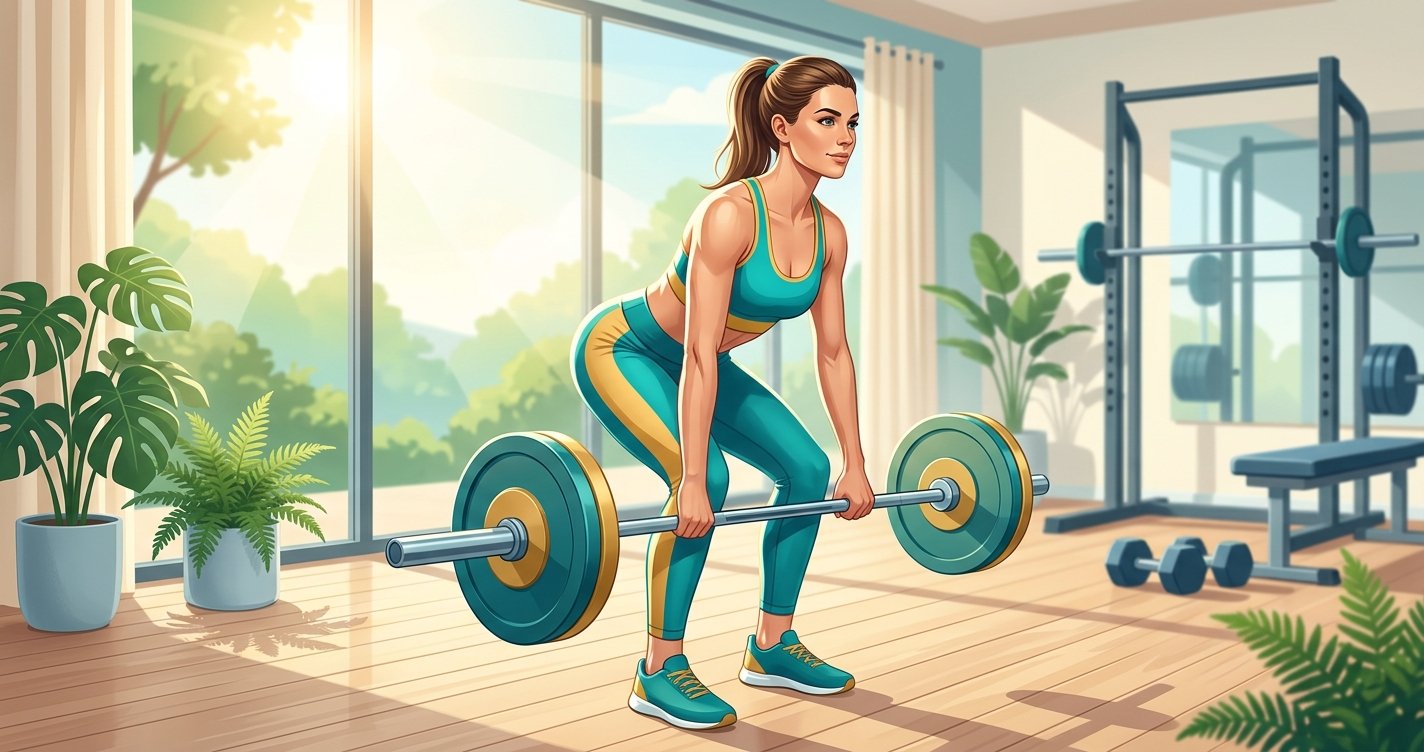
Lift Your Way Lean: Why Strength Training is Your Secret Weapon for Sustainable Fat Loss
Hey there, fitness adventurer! Are you on a quest to shed stubborn fat and feel stronger, more confident, and energized? If your go-to strategy has always been endless cardio, it’s time to discover a powerful, often underestimated ally: strength training. While cardio certainly has its place, relying solely on it for fat loss can leave you feeling frustrated and hitting plateaus. Today, we’re going to unlock the incredible potential of lifting weights – not just for building muscle, but for transforming your body into an efficient fat-burning machine, sculpting a leaner physique, and boosting your overall well-being. Get ready to ditch the dread of the treadmill and embrace the empowering world of iron!
Beyond the Treadmill: Why Strength Training Outperforms Cardio Alone for Fat Loss
For decades, the conventional wisdom for fat loss revolved around hours of steady-state cardio. While running, cycling, or swimming burn calories during the activity, their long-term impact on your metabolism might not be as significant as you think. Strength training, on the other hand, offers a unique metabolic advantage that continues to work for you long after your workout ends. this excellent wellness product
Think of it this way: when you lift weights, you create tiny micro-tears in your muscle fibers. Your body then expends energy (calories!) to repair and rebuild these muscles, making them stronger and more resilient. This repair process, known as Excess Post-exercise Oxygen Consumption (EPOC), or the "afterburn effect," means your metabolism stays elevated for hours, sometimes even days, post-workout. Cardio, especially low-intensity, offers a much shorter EPOC window.
But the real game-changer? Muscle tissue is metabolically active. This means that even at rest, a pound of muscle burns more calories than a pound of fat. By building and maintaining muscle through strength training, you effectively increase your Resting Metabolic Rate (RMR) – the number of calories your body burns just to exist. This creates a more favorable environment for long-term fat loss, making your body a more efficient calorie-burning furnace 24/7.
The Science of Muscle: How Building Strength Turns Your Body into a Fat-Burning Machine
Let's dive a little deeper into the science. Your RMR accounts for a significant portion of your daily calorie expenditure. The more muscle mass you have, the higher your RMR. This is a crucial distinction from simply losing weight. When you lose weight through diet alone or excessive cardio, you often lose both fat and muscle. Losing muscle can actually lower your RMR, making it harder to keep the fat off in the long run and leading to the dreaded "rebound" effect.
Strength training actively preserves and builds muscle, ensuring that your RMR stays high or even increases. This doesn't mean you'll instantly transform into a bodybuilder; it means you're changing your body composition – the ratio of fat to muscle. Even if the number on the scale doesn't drop dramatically, you'll look leaner, feel firmer, and fit into your clothes better because muscle is denser and takes up less space than fat.
Furthermore, strength training can improve insulin sensitivity, which is vital for effective fat loss. When your cells are more responsive to insulin, your body is better able to utilize glucose for energy instead of storing it as fat. This hormonal advantage, combined with increased metabolic rate, makes strength training a powerful tool for sustainable body recomposition.
More Than Just Aesthetics: The Incredible Health Benefits of Lifting Weights
While a leaner, more sculpted physique is a fantastic outcome, the benefits of strength training extend far beyond what you see in the mirror. Embracing weights can profoundly impact your overall health and quality of life:
- Stronger Bones: Lifting weights puts stress on your bones, which signals them to rebuild denser and stronger. This is crucial for preventing osteoporosis and maintaining bone health as you age.
- Improved Functional Strength: Everyday tasks become easier. Lifting groceries, playing with kids, or climbing stairs all benefit from increased strength.
- Better Mood and Reduced Stress: Like other forms of exercise, strength training releases endorphins, natural mood elevators. It can also be a fantastic stress reliever and a powerful confidence booster.
- Enhanced Body Image and Confidence: As you get stronger and see your body transform, your self-esteem will soar. The feeling of accomplishing a new personal best is incredibly empowering.
- Reduced Risk of Chronic Diseases: Regular strength training can help manage or prevent conditions like type 2 diabetes, heart disease, and some forms of cancer.
- Improved Sleep Quality: Studies show that consistent resistance training can lead to deeper, more restorative sleep.
Your Roadmap to Results: Getting Started with Strength Training for Fat Loss
Ready to embark on your strength journey? It doesn't have to be intimidating. Here's a beginner-friendly roadmap:
Choosing Your Tools
You don't need a fancy gym membership to start. You can begin with:
- Bodyweight: Push-ups, squats, lunges, planks are excellent starting points.
- Dumbbells or Resistance Bands: Affordable and versatile for home workouts.
- Machines: Gym machines can be great for beginners as they guide your movement.
- Barbells: For more advanced lifters, but not necessary to start.
Crafting Your Routine
Aim for 2-4 strength training sessions per week, allowing for rest days in between. A full-body routine is often best for beginners, as it works all major muscle groups in each session. Focus on compound movements that work multiple joints and muscles simultaneously:
- Squats: Goblet squats, bodyweight squats
- Hinges: Romanian deadlifts (RDLs), good mornings
- Pushes: Push-ups, overhead press, bench press
- Pulls: Rows (dumbbell or cable), pull-downs
- Lunges: Forward lunges, reverse lunges
Start with 2-3 sets of 8-12 repetitions for each exercise. Focus on controlled movements and feeling the muscle work.
The Principle of Progressive Overload
This is the most critical concept for continued progress. To get stronger and keep building muscle, you must gradually challenge your muscles more over time. This can mean:
- Increasing the weight or resistance.
- Doing more repetitions with the same weight.
- Adding more sets.
- Decreasing rest time between sets.
- Improving your form to make an exercise harder.
Always prioritize proper form over lifting heavy. Bad form can lead to injury and negate the benefits.
Proper Form Over Heavy Weight
Before you even think about increasing the weight, ensure your form is impeccable. Watch videos, use mirrors, or consider a session with a certified personal trainer. Good form prevents injuries and ensures you're effectively targeting the intended muscles.
Fueling Your Transformation: Nutrition Strategies for Strength and Fat Loss
You can't out-train a poor diet. Nutrition is paramount for both muscle growth and fat loss. Here’s what to focus on:
The Calorie Deficit Still Matters
Even with strength training, a slight calorie deficit is generally necessary for fat loss. This means consuming slightly fewer calories than your body burns. However, it’s crucial not to create too large a deficit, as this can hinder muscle recovery and make you feel sluggish.
Protein is Your Best Friend
Protein is essential for muscle repair and growth, and it also helps you feel full and satisfied, which is crucial when in a calorie deficit. Aim for 0.7-1 gram of protein per pound of your target body weight daily. Good sources include lean meats, poultry, fish, eggs, dairy, legumes, and plant-based protein powders.
Don't Fear Carbs and Fats
Carbohydrates provide the energy for your workouts and aid in recovery, while healthy fats are vital for hormone production and overall health. Focus on complex carbs like whole grains, fruits, and vegetables, and healthy fats from avocados, nuts, seeds, and olive oil. Balance is key!
Hydration is Key
Water plays a critical role in metabolic processes, nutrient transport, and muscle function. Make sure you're drinking plenty of water throughout the day, especially around your workouts.
Common Roadblocks and How to Conquer Them
Starting something new can bring challenges. Here are a few common concerns and how to overcome them:
The "I Don't Want to Get Bulky" Myth
This is perhaps the biggest fear, especially among women. Rest assured, getting "bulky" requires a specific, intense training regimen, a very high calorie intake, and often, genetic predispositions or external assistance. For most people, consistent strength training will lead to a leaner, more toned, and shapely physique, not a bulky one.
Scale Obsession
The scale can be a misleading indicator when you start strength training. As you build muscle and lose fat, your weight might stay the same or even increase slightly because muscle is denser than fat. Instead, focus on non-scale victories: how your clothes fit, your energy levels, your strength gains, and progress photos. These are far better indicators of success.
Inconsistency
Life happens, but consistency is more important than perfection. If you miss a workout, don't beat yourself up; just get back on track with your next scheduled session. Even shorter, focused workouts are better than none at all.
Fear of the Gym/Not Knowing What to Do
Many people feel intimidated by the gym environment. Start with bodyweight exercises at home, follow online workout programs, or consider a few sessions with a personal trainer to learn proper form and build confidence. Everyone starts somewhere!
Making It a Lifestyle: Sustainable Strategies for Long-Term Success
For lasting fat loss and health benefits, strength training needs to become a sustainable part of your lifestyle. Here’s how to make it stick:
- Find Activities You Enjoy: If you hate what you’re doing, you won’t stick with it. Experiment with different types of strength training – free weights, machines, bodyweight, CrossFit, powerlifting – until you find what resonates with you.
- Listen to Your Body: Rest and recovery are just as important as the workouts themselves. Don't push through sharp pain, and ensure you're getting enough sleep.
- Celebrate Non-Scale Victories: Acknowledging your progress in strength, endurance, mood, and how your clothes fit will keep you motivated.
- Consistency Over Perfection: Show up, do your best, and trust the process. Small, consistent efforts compound into significant results over time.
- Seek Support: Train with a friend, join a fitness community, or work with a coach. Having a support system can make a huge difference.
Embrace Your Strength, Transform Your Body
Strength training is more than just a workout; it's an investment in a stronger, healthier, and more confident you. By building lean muscle, you're not only boosting your metabolism for sustainable fat loss but also improving your bone density, functional strength, and mental well-being. So, step away from the endless cardio, pick up those weights, and embrace the power within you. Your journey to a leaner, more vibrant life starts now. You've got this!