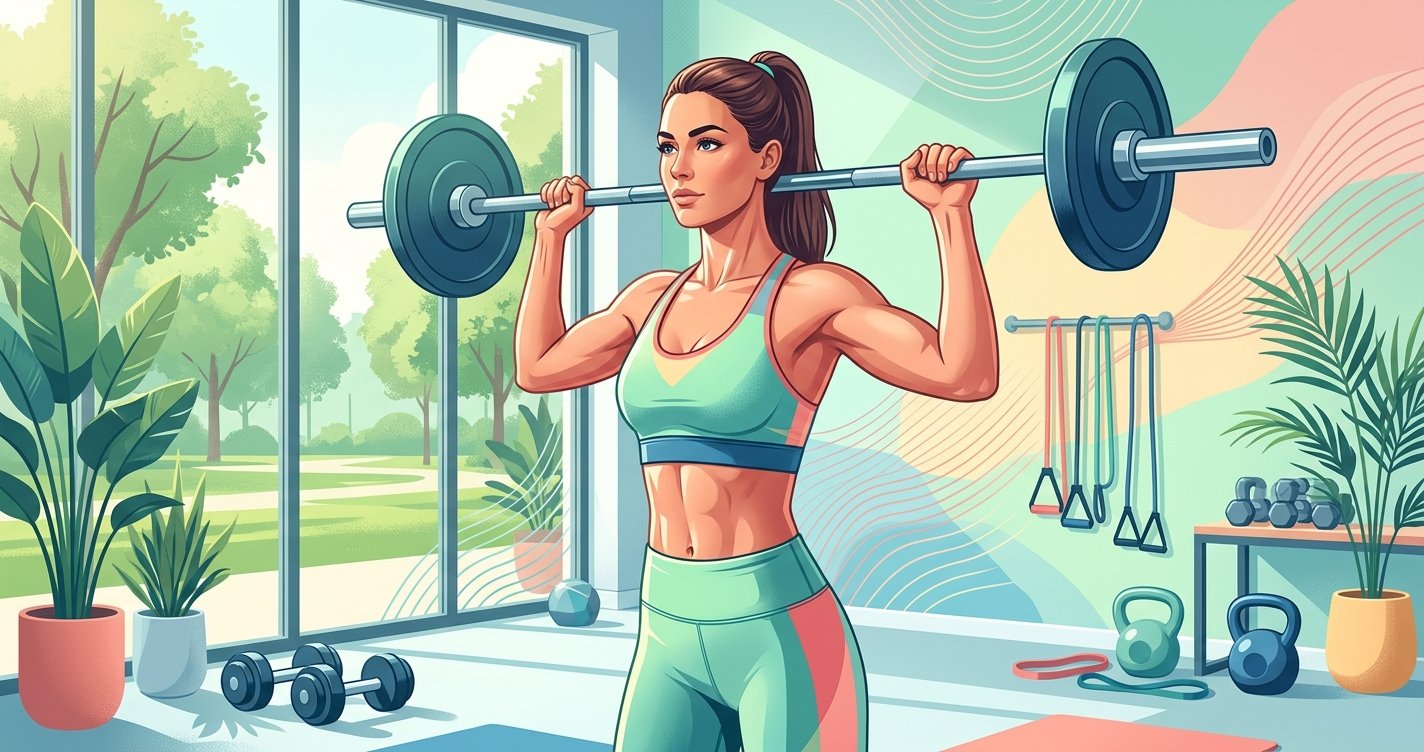
When you picture "fat loss," what's the first thing that comes to mind? For many, it's endless hours on the treadmill, sweating it out with cardio, or perhaps strict diets that leave you feeling deprived. While cardio and nutrition play important roles, there's a powerful, often overlooked hero in the fat loss journey: strength training. It's time to shift our focus from merely shrinking to truly transforming our bodies. Get ready to discover why lifting weights isn't just for bodybuilders, but your absolute best friend for achieving sustainable fat loss, boosting your metabolism, and sculpting a body you'll love.
Beyond the Scale: Why Muscle Matters for Fat Loss
Let's get straight to the science. Your body is constantly burning calories, even when you're resting. This is known as your Basal Metabolic Rate (BMR). Here's the game-changer: muscle tissue is metabolically much more active than fat tissue. This means that a pound of muscle burns more calories at rest than a pound of fat. Imagine having an internal furnace that's always working harder – that's what more muscle gives you! this excellent wellness product
By increasing your muscle mass through strength training, you effectively turn your body into a more efficient, calorie-burning machine 24/7. This isn't just about the calories you burn during your workout; it's about raising your baseline energy expenditure, making it easier to maintain a calorie deficit and shed stubborn fat over time. It's a fundamental shift in your body's operating system.
The Afterburn Effect (EPOC): Your Post-Workout Calorie Burn
Have you ever noticed how you continue to sweat and feel warm long after an intense workout? That's partially due to something called EPOC – Excess Post-exercise Oxygen Consumption, more commonly known as the "afterburn effect." After a challenging strength training session, your body requires more oxygen to recover, repair muscle tissue, and return to its pre-exercise state. This recovery process demands extra energy, meaning you continue to burn calories at an elevated rate for hours, sometimes even up to 48 hours, after you've left the gym!
While steady-state cardio certainly burns calories during the activity, its EPOC effect is generally much lower and shorter-lived compared to a vigorous strength training workout. This sustained calorie burn post-workout is a significant advantage of lifting weights, contributing substantially to your overall fat loss efforts without you having to do anything extra.
Sculpt Your Body, Not Just Shrink It: The Power of Body Recomposition
Many people focus solely on the number on the scale. However, true fat loss and body transformation are about body composition – the ratio of fat to muscle in your body. You could weigh the same, but look drastically different due to changes in this ratio. Strength training doesn't just help you lose fat; it actively helps you build and retain lean muscle, which gives your body shape, definition, and firmness.
This process, known as body recomposition, means you might not see the scale drop dramatically at first, but your clothes will fit better, your posture will improve, and you'll notice a more toned, athletic physique. Say goodbye to the "skinny fat" look, where you might be a healthy weight but lack muscle tone. Strength training empowers you to build a stronger, more confident version of yourself from the inside out.
Getting Started: Practical Tips for Your Strength Training Journey
Ready to embrace the weights? Don't feel intimidated! Everyone starts somewhere. Here are some practical tips to help you begin your strength training journey for effective fat loss:
- Frequency is Key: Aim for 2-4 strength training sessions per week. This allows enough time for muscle recovery and growth while providing consistent stimulus.
- Focus on Compound Movements: These exercises work multiple muscle groups simultaneously, making them highly efficient for calorie burn and muscle building. Think squats, deadlifts, lunges, push-ups, overhead presses, and rows.
- Embrace Progressive Overload: To keep building muscle and getting stronger, you need to continually challenge your muscles. This means gradually increasing the weight, reps, sets, or decreasing rest time over weeks and months.
- Prioritize Proper Form: Always choose correct form over heavy weight. Poor form can lead to injury and negate the effectiveness of the exercise. If unsure, watch instructional videos or consider a session with a certified personal trainer.
- Listen to Your Body: Rest days are just as important as workout days. Allow your muscles to recover and grow. Don't be afraid to take an extra rest day if you're feeling overly fatigued.
Busting the "Bulky" Myth: Why Lifting Won't Turn You Into a Bodybuilder (Unless You Want To!)
One of the most common misconceptions, especially among women, is the fear of "getting bulky" from lifting weights. Let's put this myth to rest! Building significant muscle mass like a competitive bodybuilder requires a very specific training regimen, an extremely high calorie intake, and often, hormonal support that most individuals naturally lack.
Women, in particular, have significantly lower levels of testosterone – the primary hormone responsible for large muscle growth – compared to men. This means that consistent strength training will lead to a lean, toned, and strong physique, not a bulky one. You'll develop definition, firmness, and a powerful silhouette, all while shedding fat. Embrace the strength; you'll love the results!
Fueling Your Fat Loss: Nutrition for Strength & Success
While strength training is your secret weapon, nutrition is your essential fuel. You can't out-train a poor diet. To maximize your fat loss and muscle-building efforts, pay close attention to what you eat:
- Prioritize Protein: Protein is crucial for muscle repair and growth, and it also helps you feel fuller for longer, reducing cravings. Aim for 0.7-1 gram of protein per pound of body weight daily. Think lean meats, poultry, fish, eggs, dairy, and plant-based sources like legumes and tofu.
- Don't Fear Carbohydrates: Carbs are your body's primary energy source, especially for intense workouts. Choose complex carbohydrates like whole grains, fruits, and vegetables to provide sustained energy and essential nutrients.
- Include Healthy Fats: Healthy fats are vital for hormone production and overall health. Avocados, nuts, seeds, and olive oil are excellent choices. Moderation is key as fats are calorie-dense.
- Maintain a Moderate Calorie Deficit: To lose fat, you generally need to consume slightly fewer calories than you burn. However, avoid drastic cuts, which can hinder muscle growth and lead to energy crashes. A sustainable deficit of 300-500 calories below maintenance is often effective.
- Stay Hydrated: Water is essential for every bodily function, including metabolism and nutrient transport. Drink plenty of water throughout the day, especially around your workouts.
Consistency and Patience: Your Long-Term Allies
Remember, fat loss and body transformation are a journey, not a sprint. There will be days you feel strong and motivated, and days you feel tired. The key to success lies in consistency and patience. Don't get discouraged by slow progress or minor setbacks. Celebrate your non-scale victories: lifting heavier, feeling stronger, having more energy, improving your mood, and seeing your clothes fit better.
Strength training is an incredibly empowering practice that offers far more than just aesthetic changes. It builds resilience, boosts confidence, improves bone density, and enhances overall quality of life. Make it a sustainable part of your lifestyle, listen to your body, and enjoy the incredible transformation that unfolds.
Ready to trade the endless cardio for empowering lifts? Start incorporating strength training into your routine today, fuel your body wisely, and watch as you not only lose fat but build a stronger, more vibrant, and confident you. Your journey to sustainable fat loss and a powerful physique starts now!