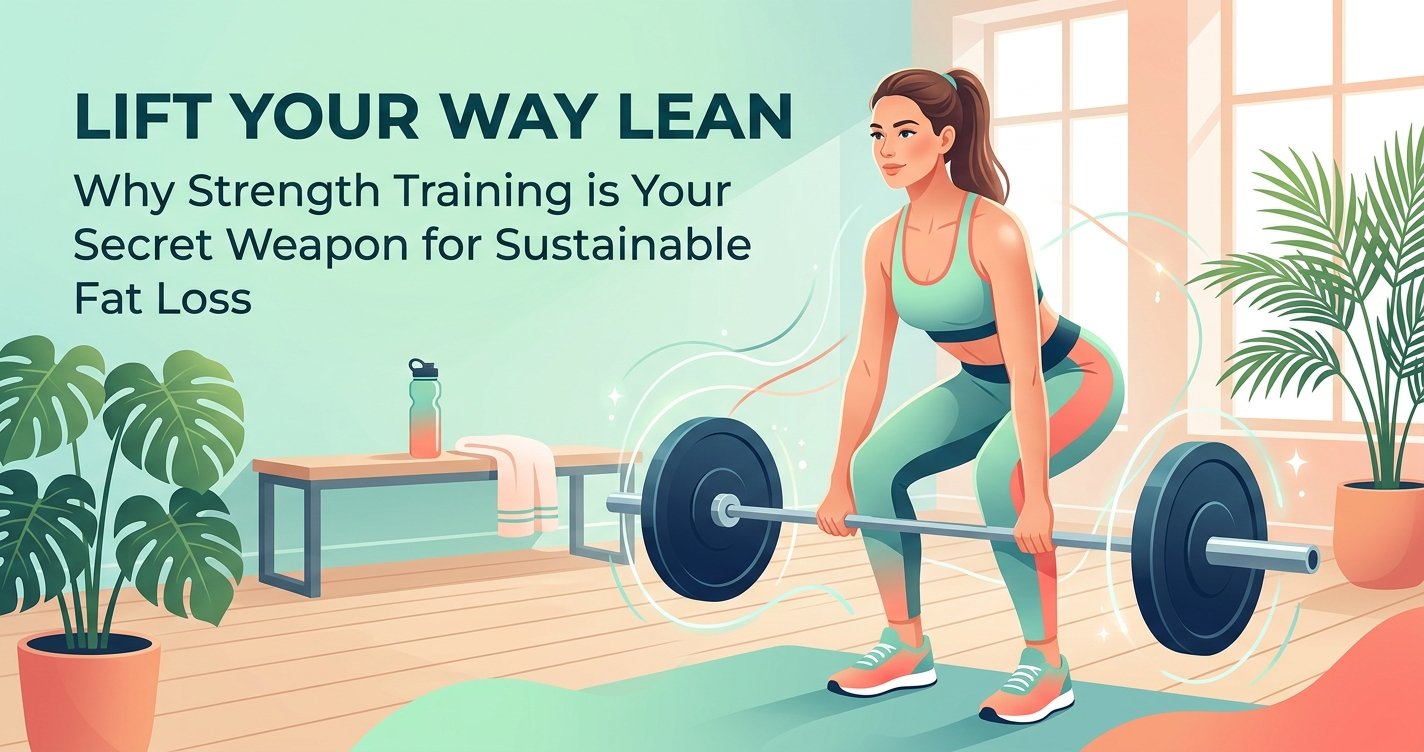
Lift Your Way Lean: Why Strength Training is Your Secret Weapon for Sustainable Fat Loss
When it comes to fat loss, many people immediately think of endless hours on the treadmill or restrictive diets. While nutrition and cardiovascular exercise certainly play a role, there's a powerful, often overlooked tool that can revolutionize your fat loss journey: strength training. Forget the myth that lifting weights is just for bodybuilders or will make you “bulky.” For sustainable, effective, and even enjoyable fat loss, strength training is your ultimate ally.
This isn't just about looking good; it's about building a stronger, healthier, and more resilient you, inside and out. Ready to discover how lifting can transform your body, boost your metabolism, and empower you to achieve lasting results? Let's dive into the evidence-based benefits! this excellent wellness product
Beyond the Scale: Why Strength Training is a Fat Loss Game-Changer
When you embark on a fat loss journey, the number on the scale tells only part of the story. True, sustainable fat loss is about changing your body composition – reducing fat while preserving, or even building, muscle. This is where strength training truly shines.
Burn More Calories, Even at Rest (The Metabolic Boost)
Ever heard of the “afterburn effect”? Scientifically known as Excess Post-exercise Oxygen Consumption (EPOC), it means your body continues to burn calories at an elevated rate *after* your workout, as it recovers and repairs muscle tissue. Strength training is incredibly effective at triggering EPOC, often for up to 24-48 hours post-session.
But there's more: muscle tissue is metabolically active. This means that for every pound of muscle you carry, your body burns more calories at rest compared to a pound of fat. By building muscle through strength training, you're essentially turning your body into a more efficient, fat-burning machine 24/7, even when you're sleeping or watching TV! This metabolic boost is crucial for long-term fat loss success.
Building Muscle, Burning Fat (Body Composition Matters)
Imagine two people who weigh the exact same. One has a higher body fat percentage and less muscle. The other is lean and muscular. Who looks healthier? Who has a more efficient metabolism? The lean, muscular individual, every time. Strength training helps you shift your body composition in your favor. It preserves muscle during a calorie deficit (when your body might otherwise try to break down muscle for energy) and helps you build new muscle. This leads to a leaner, more toned physique, even if the scale doesn't dramatically drop immediately. Focus on how your clothes fit and how you feel, not just the number.
Sculpt Your Body, Boost Your Confidence
Beyond the physiological benefits, strength training has incredible aesthetic and psychological advantages. It allows you to actively shape your body, defining your arms, strengthening your core, and lifting your glutes. This sense of agency and visible progress is incredibly empowering. As you get stronger, you'll feel more capable, confident, and resilient, not just in the gym but in every aspect of your life. This newfound confidence is a powerful motivator to stick with your healthy habits.
The Science-Backed Benefits You Can't Ignore
The advantages of strength training extend far beyond just looking good and burning fat. It's a cornerstone of overall health and longevity.
Enhanced Insulin Sensitivity & Blood Sugar Control
Regular strength training significantly improves your body's insulin sensitivity. This means your cells become more responsive to insulin, allowing them to absorb glucose (sugar) from your bloodstream more efficiently. Better insulin sensitivity is crucial for preventing fat storage, especially around the midsection, and reducing the risk of type 2 diabetes. It helps your body utilize carbohydrates for energy rather than storing them as fat.
Stronger Bones, Healthier Joints
As we age, bone density naturally declines, increasing the risk of osteoporosis. Strength training puts stress on your bones, which signals them to become denser and stronger. This is a vital benefit for long-term health and mobility. Moreover, strengthening the muscles around your joints provides better support and stability, reducing the risk of injury and alleviating discomfort. You're not just losing fat; you're building a more robust body for life.
Hormonal Harmony for Easier Fat Loss
Strength training has a positive impact on several key hormones involved in fat loss. It can boost growth hormone and testosterone (to healthy levels in both men and women), both of which are anabolic (muscle-building) and lipolytic (fat-burning). It also helps manage cortisol, the stress hormone, which when chronically elevated can contribute to belly fat storage. By promoting a more balanced hormonal environment, strength training creates a more favorable internal landscape for shedding unwanted fat.
Getting Started: Your Strength Training Blueprint
Ready to pick up some weights? Here’s how to start smart and make the most of your efforts.
Focus on Compound Movements
Forget endless bicep curls when you're starting. Prioritize compound exercises that work multiple muscle groups and joints simultaneously. These are incredibly efficient for calorie burning, muscle building, and functional strength.
- Squats: Works glutes, quads, hamstrings, core.
- Deadlifts: Engages almost every muscle in your body, especially glutes, hamstrings, back, and core.
- Bench Press (or Push-ups): Targets chest, shoulders, triceps.
- Overhead Press: Works shoulders, triceps, upper back, core.
- Rows (e.g., Bent-over Rows, Cable Rows): Strengthens back, biceps, shoulders.
Aim for 3-4 sets of 8-12 repetitions for most exercises, focusing on proper form over heavy weight initially.
Progressive Overload: The Key to Continuous Progress
Your muscles adapt quickly. To keep getting stronger and seeing results, you need to challenge them continually. This is called progressive overload. It doesn't always mean lifting heavier weights; it can also involve:
- Increasing repetitions with the same weight.
- Doing more sets.
- Decreasing rest time between sets.
- Improving your exercise form.
- Increasing the frequency of your workouts.
The goal is to gradually make your workouts more challenging over time.
Consistency Over Intensity (Initially)
Don't feel pressured to become a powerlifter overnight. The most important factor, especially when starting, is consistency. Aim for 2-3 full-body strength training sessions per week. Show up, put in the effort, and focus on mastering the movements. The intensity will naturally increase as you get stronger and more confident.
Don't Forget Recovery & Nutrition
Your muscles grow and get stronger *outside* the gym. Adequate sleep (7-9 hours) and proper nutrition are non-negotiable for fat loss and muscle building. Ensure you're eating enough protein (around 0.7-1 gram per pound of body weight) to support muscle repair and growth, along with plenty of fruits, vegetables, and healthy fats. Hydration is also key!
Busting Common Myths About Lifting for Women (and Men!)
Let's clear up some misunderstandings that might be holding you back.
Myth 1: "Lifting Makes Women Bulky"
This is perhaps the most persistent myth, and it's simply not true for the vast majority of women. Women typically have much lower levels of testosterone than men, which is the primary hormone responsible for significant muscle mass growth. Unless you're intentionally training and eating like a competitive bodybuilder, you will not accidentally get "bulky." What you *will* get is lean, toned, and strong. Embrace the strength!
Myth 2: "Cardio is Better for Fat Loss"
While cardio burns calories *during* the activity, strength training offers a superior long-term metabolic advantage due to muscle building and the EPOC effect. A balanced approach combining both is ideal, but don't relegate strength training to a secondary role. For sustainable fat loss, strength training should be a priority.
Myth 3: "You Need to Lift Heavy Every Time"
While progressive overload is important, it doesn't mean always going for your absolute maximum lift. Periodization, varying your intensity, and incorporating different rep ranges (sometimes higher reps with lighter weights, sometimes lower reps with heavier weights) are all part of a smart training program. Listen to your body, prioritize good form, and know when to push and when to back off slightly.
Integrating Strength Training into Your Life (Practical Tips)
Making strength training a habit is easier than you think.
- Start with 2-3 Full-Body Sessions Per Week: This is a great starting point for beginners. It allows for adequate recovery and hits all major muscle groups. As you progress, you can explore split routines (e.g., upper/lower body) if you wish, but full-body is highly effective.
- Consider a Coach or Reputable Program: Especially when you're new, investing in a few sessions with a certified personal trainer can be invaluable for learning proper form and building confidence. Alternatively, follow a well-designed, progressive program from a trusted source.
- Listen to Your Body: Some muscle soreness (DOMS – Delayed Onset Muscle Soreness) is normal when you start or increase intensity. However, sharp pain is a warning sign. Don't push through injury. Rest, recover, and adjust.
- Track Your Progress: Keep a log of the exercises you do, the weight you lift, and the reps/sets. Seeing your numbers improve is incredibly motivating and helps ensure you're applying progressive overload.
Conclusion
Strength training isn't just an exercise; it's an investment in your metabolic health, physical strength, and mental well-being. It's the most powerful tool you have for sustainable fat loss, body recomposition, and building a resilient body that serves you well for years to come. So, step away from the endless treadmill, embrace the weights, and discover the incredible power you have to sculpt a stronger, leaner, and more confident you. Your fat loss journey will thank you for it!