Tired of Endless Cardio? Discover the Power of Strength Training for Sustainable Fat Loss
For years, the go-to advice for fat loss has been “eat less, move more”—often translating to restrictive diets and countless hours on the treadmill. While cardio certainly has its place for cardiovascular health, if you’re looking for a truly sustainable, transformative approach to shedding fat and building a stronger, healthier body, it’s time to embrace the weights. Strength training isn't just for bodybuilders; it’s your secret weapon for boosting metabolism, sculpting your physique, and achieving long-term fat loss results that go far beyond the scale. Let’s dive into why lifting weights is a game-changer for your fat loss journey, backed by evidence, and how you can get started.
Why Strength Training is Your Fat Loss Secret Weapon (Beyond Just Burning Calories)
While you might burn more calories during an intense cardio session, strength training offers a unique set of benefits that make it superior for sustainable fat loss in the long run:
1. Boost Your Resting Metabolism with More Muscle
Muscle tissue is metabolically active, meaning it requires more energy (calories) to maintain than fat tissue, even when you’re at rest. By building and preserving muscle through strength training, you effectively turn your body into a more efficient, calorie-burning machine 24/7. This means your resting metabolic rate (RMR) increases, helping you burn more calories even when you’re sleeping, working, or simply relaxing.
2. The “Afterburn Effect”: EPOC
After a challenging strength training session, your body continues to burn extra calories for hours, sometimes even days, as it recovers and repairs muscle tissue. This phenomenon is known as Excess Post-exercise Oxygen Consumption (EPOC), or the “afterburn effect.” While cardio also creates EPOC, intense resistance training tends to generate a more significant and prolonged effect.
3. Body Recomposition: Building a Leaner Physique
One of the most exciting aspects of strength training for fat loss is its ability to facilitate body recomposition. This means you can simultaneously lose fat and build muscle. The scale might not always move dramatically, but your body shape will transform. You’ll notice clothes fitting better, a firmer physique, and a stronger appearance, even if your weight stays relatively similar. This focus on improving body composition rather than just weight is key to a sustainable and aesthetically pleasing outcome.
The Unseen Benefits: More Than Just Aesthetics
While looking great is a fantastic motivator, the benefits of strength training extend far beyond the visual:
- Improved Bone Density: Lifting weights puts stress on your bones, which signals them to become stronger and denser, significantly reducing the risk of osteoporosis as you age.
- Enhanced Insulin Sensitivity: Regular strength training can improve your body’s sensitivity to insulin, helping to regulate blood sugar levels and reduce the risk of type 2 diabetes.
- Better Mood and Reduced Stress: Exercise, especially strength training, releases endorphins, natural mood elevators. It can also be a powerful tool for stress reduction and improving mental well-being.
- Increased Functional Strength: Everyday tasks become easier, whether it’s carrying groceries, lifting children, or climbing stairs. You’ll feel more capable and confident in your daily life.
- Reduced Risk of Injury: Stronger muscles and joints provide better support for your body, leading to improved posture and a reduced risk of injuries from daily activities or other sports.
Your Action Plan: Getting Started with Weights for Fat Loss
Ready to embrace the weights? Here’s a simple blueprint to get you started:
1. Frequency is Key: 2-4 Times a Week
Aim for 2 to 4 strength training sessions per week. This allows enough stimulus for muscle growth and recovery time. Beginners might start with 2-3 full-body workouts, while more experienced lifters can split their routines (e.g., upper/lower body splits).
2. Focus on Compound Movements
Compound exercises work multiple muscle groups and joints simultaneously, making them incredibly efficient for fat loss and muscle building. Incorporate movements like:
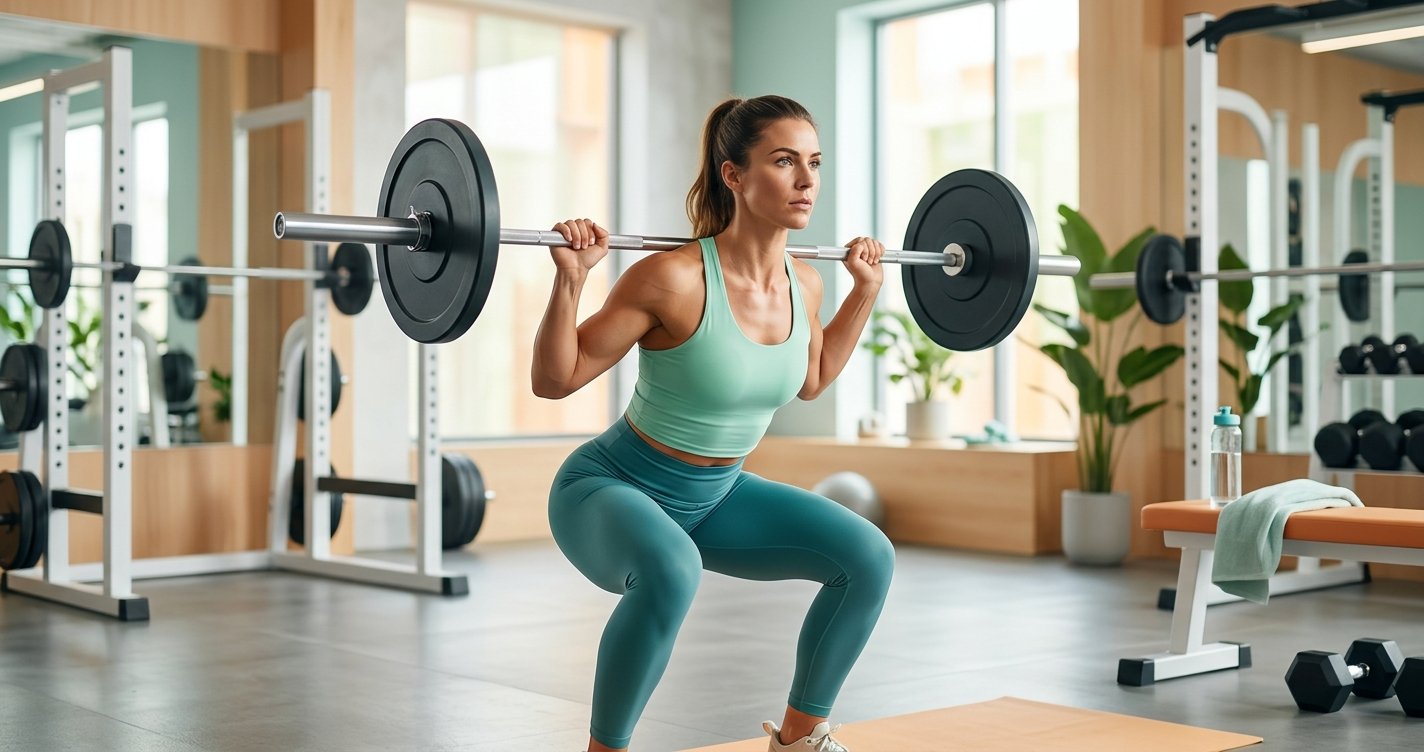
- Squats: Barbell squats, goblet squats, dumbbell squats
- Deadlifts: Conventional deadlifts, sumo deadlifts, Romanian deadlifts
- Presses: Bench press, overhead press, dumbbell press
- Rows: Barbell rows, dumbbell rows, cable rows
- Lunges: Forward lunges, reverse lunges, walking lunges
Supplement these with isolation exercises as needed, but prioritize compounds for maximum impact.
3. Embrace Progressive Overload
To continually challenge your muscles and encourage growth, you need to gradually increase the demands placed on them. This is called progressive overload. It can be achieved by:
- Increasing the weight: Lift heavier over time.
- Increasing repetitions: Do more reps with the same weight.
- Increasing sets: Add more sets to your workout.
- Decreasing rest time: Take shorter breaks between sets.
- Improving form: Execute movements with better control and range of motion.
Always prioritize proper form over lifting heavy weights too soon.
4. Warm-Up and Cool-Down
Don’t skip these crucial steps! A 5-10 minute dynamic warm-up (e.g., arm circles, leg swings, light cardio) prepares your body for the workout. A 5-10 minute cool-down with static stretches helps improve flexibility and aids recovery.
Fueling Your Fire: Nutrition for Optimal Fat Loss Results
Strength training is powerful, but nutrition is equally vital for fat loss. You can’t out-train a poor diet.
- Prioritize Protein: Protein is essential for muscle repair and growth. Aim for 0.7-1 gram of protein per pound of body weight daily. It also helps with satiety, keeping you feeling fuller for longer.
- Smart Calorie Deficit: To lose fat, you need to consume slightly fewer calories than you burn. However, don't slash calories too drastically, as this can hinder muscle recovery and lead to fatigue. A moderate deficit of 300-500 calories below your maintenance level is a good starting point.
- Hydration is Key: Drink plenty of water throughout the day. It’s crucial for metabolic processes, nutrient transport, and overall performance.
- Focus on Whole Foods: Emphasize lean proteins, fruits, vegetables, whole grains, and healthy fats. Limit processed foods, sugary drinks, and excessive unhealthy fats.
Busting Myths & Overcoming Hurdles
Myth: “Lifting weights will make me bulky.”
For most women, becoming “bulky” from lifting weights is extremely difficult due to hormonal differences (lower testosterone levels). Instead, you’ll likely achieve a toned, strong, and lean physique.
Hurdle: “I’m too old to start.”
It’s never too late to start! Strength training is beneficial at any age, improving bone density, balance, and functional independence. Start light, focus on form, and consider working with a qualified trainer.
Overcoming Plateaus
Fat loss isn’t linear. Plateaus are normal. When you hit one, consider adjusting your program: increase intensity, change exercises, or slightly tweak your nutrition (e.g., a small reduction in calories or a refeed day).
Consistency Over Perfection
You won’t always have a perfect workout or diet day, and that’s okay. The key is consistency over time. Show up, do your best, and get back on track if you stumble.
Embrace the Journey: Long-Term Success
Sustainable fat loss through strength training is a journey, not a destination. It requires patience, consistency, and a commitment to a healthier lifestyle. Focus on building strength, improving your performance, and how you feel, rather than solely fixating on the number on the scale. Celebrate non-scale victories like increased energy, better sleep, improved mood, and fitting into clothes you love.
By integrating strength training into your routine, you’re not just losing fat; you’re investing in a stronger, healthier, and more vibrant you. So, ditch the endless cardio, pick up those weights, and start lifting your way to a lean, powerful, and sustainable transformation!