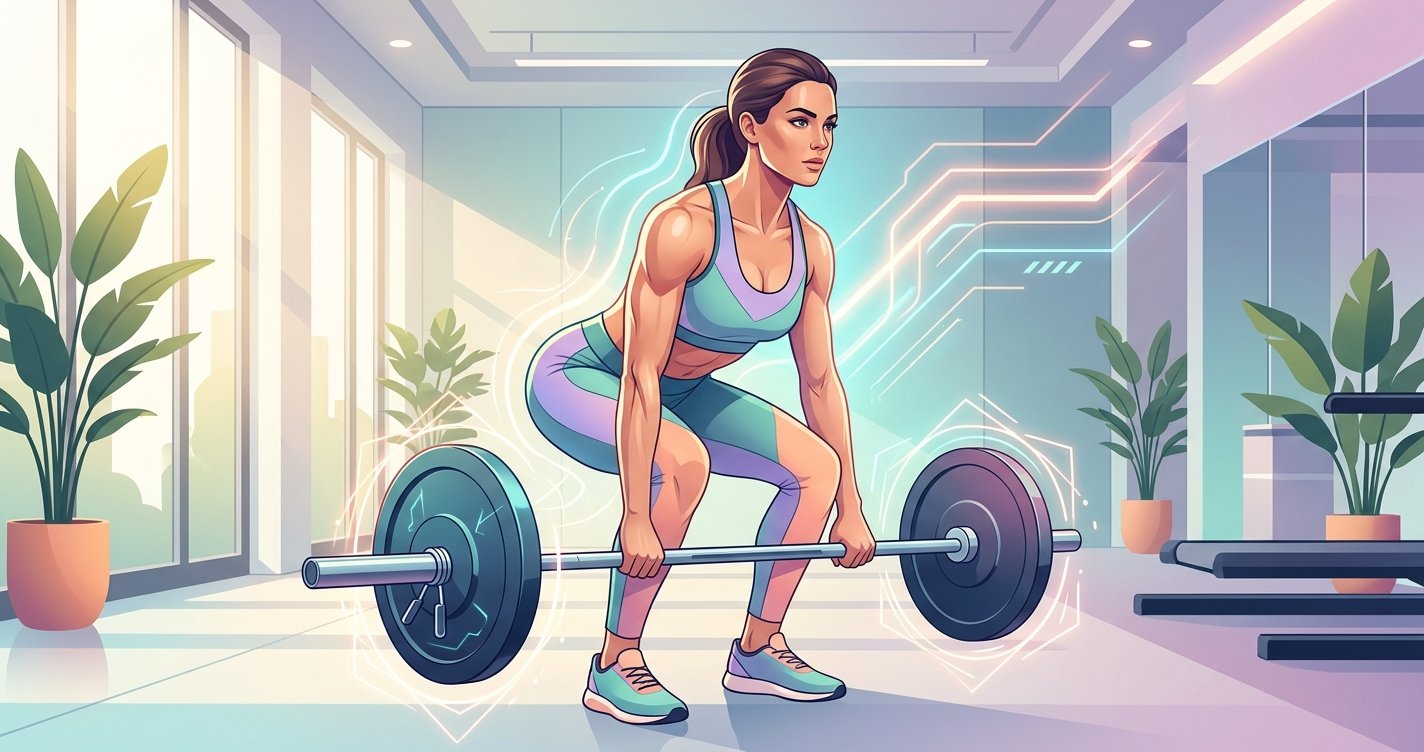
Unlock Your Inner Power: Why Strength Training is Your Secret Weapon for Fat Loss
When most people think about losing fat, their minds often jump straight to endless hours on the treadmill or elliptical. While cardio certainly has its place in a healthy lifestyle, it’s time to let you in on a powerful, often overlooked secret weapon in the battle against body fat: strength training. Forget the myths about “bulking up” or needing to be an athlete; lifting weights is for everyone, and it’s arguably one of the most effective tools you have for sculpting a leaner, stronger, and more resilient body.
If you’ve been frustrated by slow progress or the dreaded weight loss plateau, it might be time to rethink your approach. This isn't just about burning calories during your workout; it's about fundamentally changing your body's metabolism and composition. Let's dive into the science-backed reasons why embracing the weights can revolutionize your fat loss journey, equip you with practical tips to get started, and empower you to build a body you love. this excellent wellness product
The Metabolism Boost: Your Body Becomes a Fat-Burning Machine
One of the most compelling reasons to incorporate strength training into your routine is its profound impact on your metabolism. Unlike cardio, which primarily burns calories during the activity itself, strength training delivers a sustained metabolic boost that continues long after your last rep.
Building Muscle, Burning More: The Lean Mass Advantage
Muscle tissue is metabolically active, meaning it requires more energy (calories) to maintain than fat tissue. The more muscle you have, the higher your basal metabolic rate (BMR) will be. Your BMR is the number of calories your body burns at rest, just to keep you alive and functioning. By building muscle through strength training, you effectively turn your body into a more efficient, calorie-burning machine, even when you're sleeping, working, or simply relaxing on the couch. This is a game-changer for sustainable fat loss!
EPOC: The Afterburn Effect That Keeps Giving
Ever felt particularly tired or warm hours after a tough workout? That’s the magic of EPOC (Excess Post-exercise Oxygen Consumption), often referred to as the “afterburn effect.” After intense strength training, your body uses additional oxygen to recover, repair muscle tissue, replenish energy stores, and return to its pre-exercise state. This recovery process requires extra calories, meaning you continue to burn fat at an elevated rate for hours, and sometimes even days, after your workout has finished. While cardio also produces EPOC, the effect is generally more pronounced and longer-lasting with strength training due to the greater physiological stress involved in muscle repair and rebuilding.
Dispelling Common Myths: Lifting Won't Make You “Bulky”
Perhaps the most persistent myth, especially among women, is the fear that lifting weights will lead to an undesirable “bulky” physique. Let's set the record straight.
Understanding Body Composition: Toning vs. Bulking
When people say they want to “tone up,” what they often mean is they want to reduce body fat and reveal the underlying muscle definition. This is precisely what strength training helps achieve! It builds the muscle, and when combined with a calorie deficit (eating slightly fewer calories than you burn), it helps shed the fat that obscures that muscle. True “bulking” – the kind seen in professional bodybuilders – requires an extremely specific, often years-long regimen of intense training, precise nutrition (including a significant calorie surplus), and sometimes, performance-enhancing substances. It doesn't happen by accident, and certainly not from a few strength training sessions a week.
Hormonal Differences: Why Women Don't Bulk Up Easily
Biologically, women have significantly lower levels of testosterone, the primary hormone responsible for muscle growth, compared to men. This hormonal difference means that women naturally have a much harder time building large amounts of muscle mass. Instead, women who lift weights typically develop a leaner, more sculpted, and athletic physique. So, ladies, embrace the weights; they are your allies, not your enemies, in achieving a strong, healthy body!
Crafting Your Effective Strength Training Routine
Ready to start lifting? Here's how to build a routine that maximizes fat loss and muscle gain.
Frequency and Volume: How Often Should You Lift?
For optimal results, aim for 2-4 strength training sessions per week. Beginners might start with 2-3 full-body workouts, allowing 48-72 hours of rest between sessions for muscle recovery. As you progress, you might move to a split routine (e.g., upper body/lower body or push/pull/legs) to allow for more volume per muscle group. For most fat loss goals, 3-4 sets of 8-12 repetitions per exercise, with a challenging weight, is a great starting point.
Exercise Selection: Compound Movements are King
Prioritize compound exercises, which work multiple muscle groups and joints simultaneously. These movements are incredibly efficient, burn more calories, and elicit a greater hormonal response conducive to muscle growth and fat loss. Key compound exercises include:
- Squats (back squat, front squat, goblet squat)
- Deadlifts (conventional, sumo, Romanian deadlift)
- Bench Press (barbell, dumbbell, incline)
- Rows (barbell row, dumbbell row, cable row)
- Overhead Press (barbell, dumbbell, seated, standing)
- Lunges (walking, stationary, reverse)
Supplement these with isolation exercises as needed, but let compound movements form the backbone of your routine.
Progressive Overload: The Key to Continued Progress
For your muscles to grow and get stronger, you must continually challenge them. This principle is called progressive overload. It means gradually increasing the demands placed on your muscles over time. This can be achieved by:
- Increasing the weight you lift.
- Performing more repetitions with the same weight.
- Doing more sets.
- Decreasing rest time between sets.
- Improving your form and control.
Without progressive overload, your body adapts, and your progress will stall. Keep a workout journal to track your progress and ensure you're consistently challenging yourself.
Integrating Strength Training with Your Overall Fat Loss Strategy
While strength training is powerful, it's most effective when part of a holistic approach to fat loss.
Nutrition is Non-Negotiable: Fueling Your Gains and Deficit
You can't out-train a poor diet. To lose fat, you generally need to be in a slight calorie deficit, meaning you consume slightly fewer calories than your body burns. However, it's crucial to consume adequate protein (aim for 1.6-2.2 grams per kg of body weight) to support muscle repair and growth, especially when in a deficit. Focus on whole, unprocessed foods, plenty of vegetables, healthy fats, and complex carbohydrates to fuel your workouts and recovery.
Cardio: A Complement, Not a Replacement
Cardio still plays a valuable role. It's excellent for cardiovascular health, endurance, and can contribute to your overall calorie expenditure. Integrate 2-3 sessions of moderate-intensity cardio (e.g., brisk walking, jogging, cycling) or short bursts of high-intensity interval training (HIIT) per week. Think of cardio as a supportive player to your strength training, not the star of the show.
Recovery: Sleep and Stress Management
Muscles don't grow in the gym; they grow during recovery. Aim for 7-9 hours of quality sleep per night. Sleep is when your body repairs tissue, consolidates energy, and balances hormones crucial for fat loss and muscle growth. Chronic stress also elevates cortisol levels, which can hinder fat loss and promote fat storage, particularly around the midsection. Incorporate stress-reducing activities like meditation, yoga, or spending time in nature.
Getting Started: Practical Tips for Beginners
Taking the first step can feel daunting, but it doesn't have to be.
- Start Light, Focus on Form: Your primary goal when starting is to learn proper technique. Use lighter weights or even just your body weight to master the movement patterns. Good form prevents injury and ensures you're effectively targeting the intended muscles.
- Consider a Coach: Investing in a few sessions with a certified personal trainer can be invaluable. They can teach you correct form, design a personalized program, and provide the confidence you need to get started safely and effectively.
- Be Patient and Consistent: Fat loss and muscle gain are not linear processes. There will be good days and challenging days. Consistency over time is what yields results. Don't get discouraged by slow progress; celebrate every small victory.
Beyond the Scale: Celebrating Non-Scale Victories
While the number on the scale can be a useful metric, it doesn't tell the whole story, especially when you're strength training. Muscle is denser than fat, so you might not see drastic weight drops, but your body composition will be transforming. Look for non-scale victories:
- Increased strength and endurance
- Clothes fitting better or needing a smaller size
- Improved mood and energy levels
- Better sleep quality
- Reduced aches and pains
- Increased confidence and self-esteem
- Visible changes in muscle definition
These are powerful indicators of progress that the scale often overlooks.
Your Journey to a Stronger, Leaner You Begins Now
Embracing strength training is one of the most empowering decisions you can make for your health and physique. It’s a journey that builds not just muscle, but also confidence, resilience, and a profound appreciation for what your body can achieve. So, ditch the endless cardio, pick up those weights, and start lifting your way to a leaner, stronger, and more vibrant you. The power is literally in your hands!