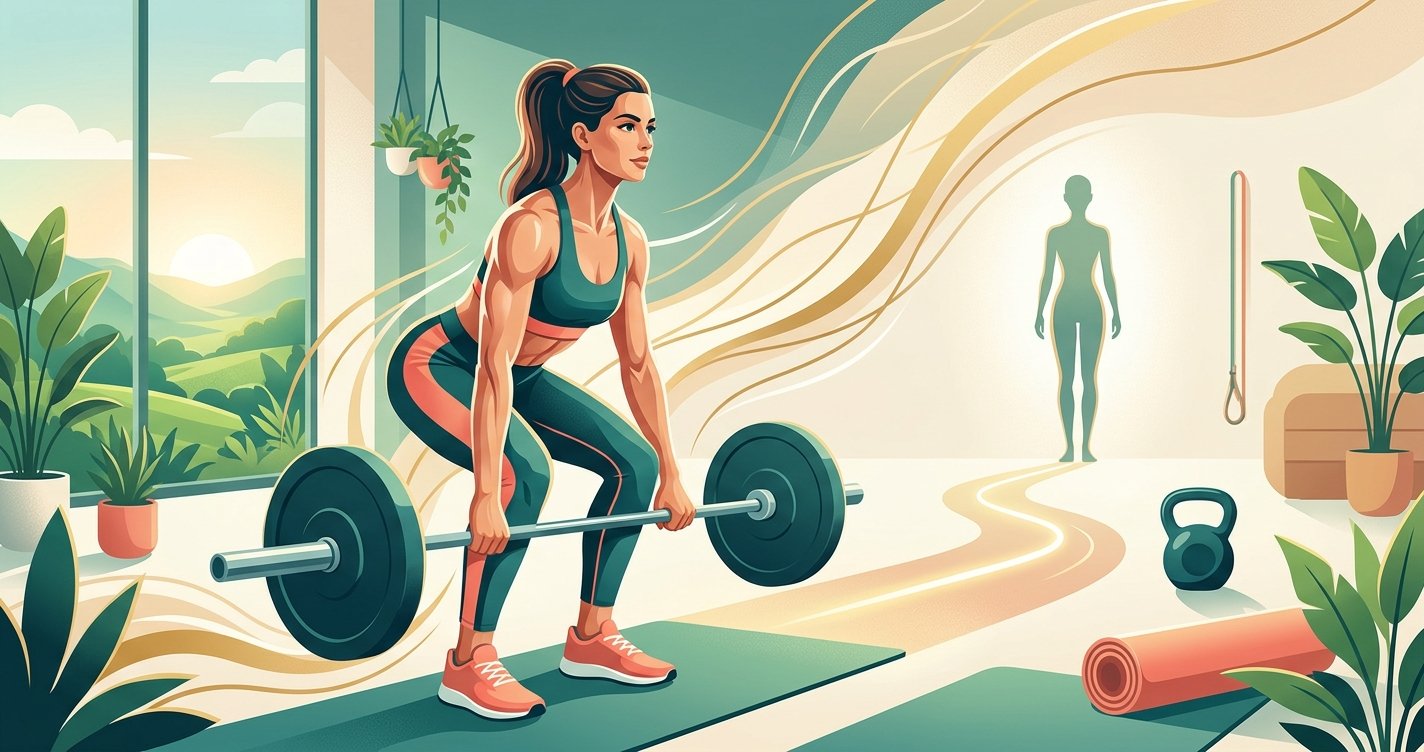
Lift Your Way to Lasting Leanness: The Unbeatable Role of Strength Training in Fat Loss
When you picture 'fat loss,' what's the first thing that comes to mind? For many, it's endless hours on the treadmill, restrictive diets, or sweating it out in a spin class. While cardiovascular exercise and a balanced diet are undeniably crucial components of any successful fat loss journey, there's a powerful, often underestimated player that deserves a prime spot in your routine: strength training.
It’s time to shift our focus from just burning calories during a workout to transforming our bodies into more efficient, fat-burning machines around the clock. If you’ve been hesitant to pick up weights, worried about ‘bulking up,’ or simply unsure where to start, you’re in the right place. Let's uncover why strength training isn't just a good idea for fat loss – it's your secret weapon. this excellent wellness product
Beyond the Burn: Why Strength Training is a Fat Loss Game-Changer
Sure, a high-intensity cardio session can torch a lot of calories in the moment. But what happens after you step off the elliptical? The calorie burn significantly drops. Strength training, however, offers a unique metabolic advantage that extends far beyond your gym session.
The Afterburn Effect (EPOC)
Strength training triggers what’s known as Excess Post-exercise Oxygen Consumption (EPOC), often called the ‘afterburn effect.’ This means your body continues to burn calories at an elevated rate for hours, sometimes even days, after your workout as it recovers, repairs muscle tissue, and adapts. Think of it as a metabolic credit that keeps paying dividends long after you've racked the weights.
Increased Basal Metabolic Rate (BMR)
Perhaps the most significant long-term benefit for fat loss is strength training’s impact on your Basal Metabolic Rate (BMR). Your BMR is the number of calories your body burns at rest just to perform basic functions like breathing, circulating blood, and maintaining body temperature. And guess what? Muscle tissue is far more metabolically active than fat tissue.
Muscle: Your Metabolism's Best Friend
This is where the magic truly happens. For every pound of muscle you gain, your body burns an additional 7-10 calories per day at rest. While this might not sound like much on its own, accumulate a few pounds of muscle over time, and that passive calorie burn adds up significantly. Imagine burning more calories while you’re sleeping, working, or simply relaxing – that’s the power of increased muscle mass!
- Body Recomposition: Strength training helps you achieve 'body recomposition' – changing your body's ratio of fat to muscle. You might not see a drastic drop on the scale initially, but your body shape will transform. You’ll become leaner, firmer, and more toned, even if your weight stays the same or slightly increases due to muscle gain.
- Improved Insulin Sensitivity: Regular strength training can improve your body's sensitivity to insulin, meaning your cells are better at absorbing glucose from your bloodstream, reducing the likelihood of it being stored as fat.
Sculpting Your Body: Aesthetics and Confidence
Beyond the metabolic advantages, strength training offers incredible aesthetic benefits. Instead of just becoming a smaller version of your current self, you’ll build a stronger, more defined physique. This can lead to:
- Enhanced Body Shape: Building muscle in key areas can create curves, define your waist, and improve overall body symmetry.
- Better Posture: Strengthening your core and back muscles can correct posture imbalances, making you stand taller and appear more confident.
- Boosted Self-Esteem: Seeing your strength increase and your body transform can be incredibly empowering, boosting your confidence not just in the gym, but in all areas of your life.
Practical Steps to Integrate Strength Training into Your Routine
Ready to embrace the weights? Here’s how to get started effectively and safely:
- Start Simple: Begin with 2-3 full-body strength training sessions per week on non-consecutive days. This allows adequate time for muscle recovery.
- Focus on Compound Movements: These exercises work multiple muscle groups simultaneously, making them highly efficient. Think squats, deadlifts (or RDLs), lunges, push-ups, rows, and overhead presses.
- Prioritize Proper Form: Watch videos, consider hiring a trainer for a few sessions, or use mirrors to ensure your form is correct. Good form prevents injury and ensures you’re targeting the right muscles.
- Progressive Overload is Key: To continue making progress, you need to gradually challenge your muscles. This means increasing the weight, doing more repetitions, adding more sets, or reducing rest times over time.
- Listen to Your Body: Rest and recovery are just as important as the workout itself. Don't be afraid to take a rest day if you feel overly fatigued.
Addressing Common Myths and Concerns
“I don’t want to get too bulky!”
This is a common concern, especially among women. Rest assured, gaining significant muscle mass like a bodybuilder requires extremely intense training, a very specific diet, and often, hormonal advantages that most women don't naturally possess. For the average person, strength training will lead to a lean, toned physique, not excessive bulk.
“Isn’t cardio better for fat loss?”
Cardio is fantastic for cardiovascular health and burning calories during the activity. However, for sustainable fat loss, body recomposition, and long-term metabolic benefits, strength training offers advantages that cardio alone cannot. The ideal approach is to combine both!
Fueling Your Progress: Nutrition's Role Alongside Strength
You can't out-train a poor diet. To maximize your strength training results and accelerate fat loss, pay attention to your nutrition:
- Adequate Protein: Protein is crucial for muscle repair and growth. Aim for 0.7-1 gram of protein per pound of body weight daily.
- Smart Carb Choices: Carbohydrates fuel your workouts and aid recovery. Choose complex carbs like whole grains, fruits, and vegetables.
- Healthy Fats: Essential for hormone production and overall health. Include sources like avocados, nuts, seeds, and olive oil.
- Calorie Deficit (but not too extreme): To lose fat, you need to consume slightly fewer calories than you burn. However, an overly restrictive deficit can hinder muscle recovery and strength gains.
Conclusion: Embrace the Weights, Transform Your Body
Fat loss isn't just about shrinking your size; it's about building a stronger, healthier, and more capable you. Strength training is an indispensable tool in this journey, offering unparalleled benefits for your metabolism, body composition, and overall confidence.
So, ditch the fear of the weights section and embrace the incredible power of strength training. Start small, stay consistent, and watch as your body transforms, becoming a leaner, stronger, and more efficient fat-burning machine. Your journey to lasting leanness and vibrant health is just a lift away!