Tired of the Cardio Treadmill? Discover the Power of Strength Training for Sustainable Fat Loss!
For years, the go-to advice for fat loss has been simple: eat less, move more, and spend endless hours on the treadmill. While cardio certainly has its place in a healthy lifestyle, it often falls short for those seeking truly sustainable and transformative fat loss. What if we told you there's a more efficient, empowering, and often overlooked path to shedding unwanted body fat, boosting your metabolism, and sculpting a stronger, leaner physique? Enter strength training!
This isn't about becoming a competitive bodybuilder; it's about harnessing the incredible power of resistance to reshape your body from the inside out. Forget the myths about 'bulking up' or needing to spend hours in the gym. We're going to dive deep into the evidence-based benefits of strength training for fat loss, offering you a friendly, encouraging guide to making it a cornerstone of your fitness journey. Get ready to ditch the endless cardio and embrace the weights – your body will thank you! this excellent wellness product
Why Traditional Cardio Isn't Always Enough for Fat Loss
While cardiovascular exercise is fantastic for heart health, endurance, and burning calories during the workout itself, it often presents a few challenges when fat loss is the primary goal.
- The 'Calorie Burn' Trap: Many people focus solely on the calories burned during a cardio session. However, once the session ends, the calorie-burning effect significantly diminishes. You're constantly chasing the burn.
- Muscle Matters More Than You Think: Excessive cardio, especially without adequate strength training, can sometimes lead to muscle loss. Why is this a problem? Because muscle is metabolically active tissue, meaning it burns more calories at rest than fat. Losing muscle can actually slow down your metabolism, making fat loss harder in the long run.
- Adaptation and Plateaus: Your body is incredibly efficient. Over time, it adapts to the same cardio routine, burning fewer calories for the same effort. This often leads to frustrating plateaus.
The Science-Backed Benefits of Strength Training for Fat Loss
Now, let's explore why lifting weights is a game-changer for anyone serious about sustainable fat loss.
Boosting Your Basal Metabolic Rate (BMR)
This is arguably the most significant benefit. Your Basal Metabolic Rate (BMR) is the number of calories your body burns at rest just to perform basic functions like breathing, circulation, and cell production. The more muscle mass you have, the higher your BMR. Think of it this way: every pound of muscle burns more calories per day than a pound of fat. By building muscle through strength training, you essentially turn your body into a more efficient, calorie-burning machine 24/7, even when you're sleeping!
The EPOC Effect: Burning Calories Even After Your Workout
Strength training triggers something called Excess Post-exercise Oxygen Consumption (EPOC), often referred to as the 'afterburn effect.' After an intense weightlifting session, your body continues to burn calories at an elevated rate for hours (sometimes up to 48 hours!) as it works to repair muscle tissue, replenish energy stores, and return to its resting state. This means you're still incinerating calories long after you've left the gym.
Improving Body Composition and Shaping Your Physique
Fat loss isn't just about the number on the scale; it's about changing your body composition – the ratio of fat to lean muscle mass. Strength training directly addresses this by building muscle while simultaneously reducing fat. This leads to a more toned, sculpted, and firm appearance. You might even find your clothes fitting better and your body looking leaner, even if the scale hasn't drastically changed!
Hormonal Harmony for Fat Loss
Resistance training can positively influence key hormones related to fat loss and muscle growth, such as growth hormone and testosterone (yes, women produce it too, and it's vital!). It also helps improve insulin sensitivity, which is crucial for regulating blood sugar and preventing fat storage.
Getting Started: Your Strength Training Blueprint
Ready to embark on your strength training journey? Here's how to begin safely and effectively.
Don't Be Afraid of the Weights!
This is perhaps the biggest hurdle for many, especially women. The fear of 'bulking up' is largely unfounded. Building significant muscle takes years of dedicated, intense training and often a specific diet. For most people, strength training will lead to a lean, toned physique, not a bulky one.
Essential Exercises for Fat Loss
Focus on compound movements – exercises that work multiple muscle groups simultaneously. These are highly effective for building strength and burning calories.
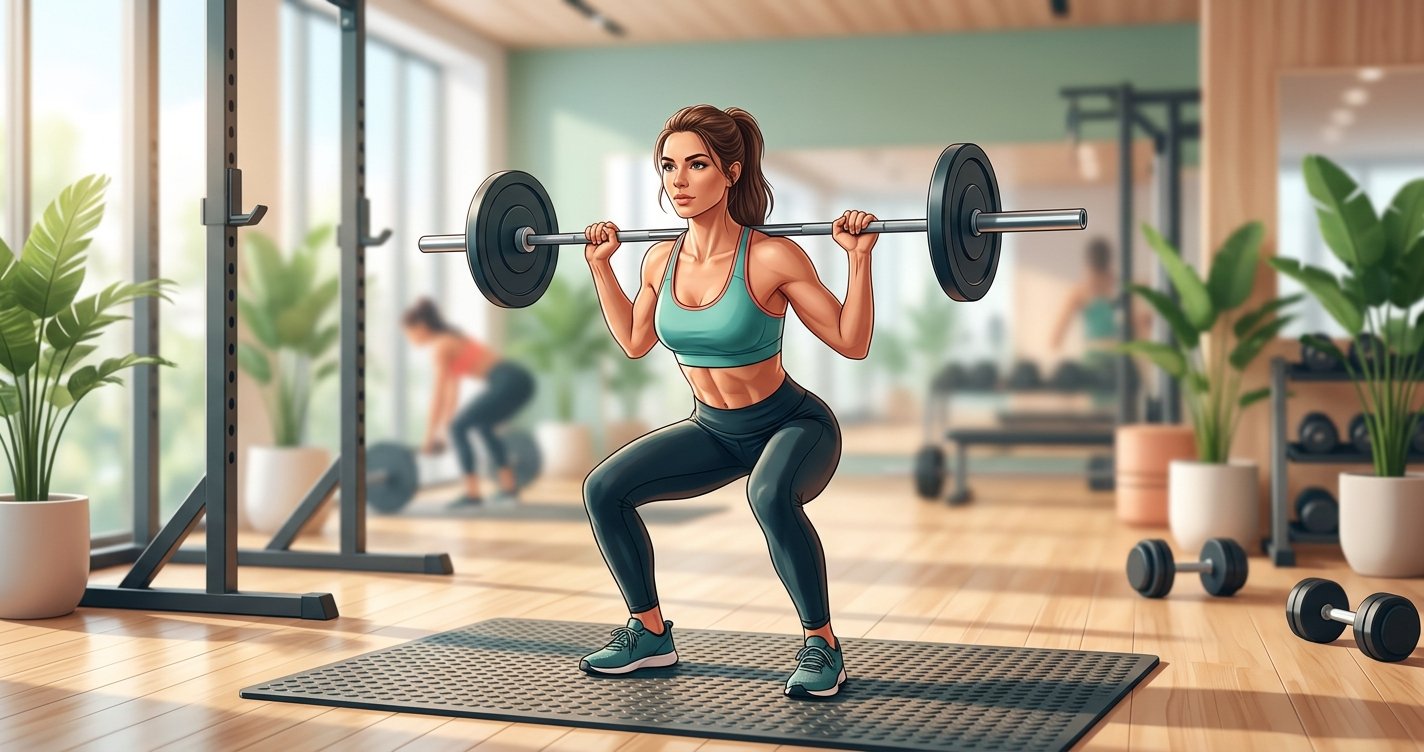
- Squats: Works glutes, quads, hamstrings, core.
- Deadlifts: Works glutes, hamstrings, back, core.
- Bench Press (or Push-ups): Works chest, shoulders, triceps.
- Overhead Press: Works shoulders, triceps.
- Rows (e.g., Bent-over rows, Pull-ups): Works back, biceps.
- Lunges: Works glutes, quads, hamstrings.
Start with bodyweight variations or light weights to master the form. Consider working with a certified personal trainer initially to ensure proper technique and prevent injury.
Progressive Overload: The Key to Continued Progress
To keep making progress, you need to continually challenge your muscles. This is called progressive overload. It means gradually increasing the demands placed on your muscles over time. This can be achieved by:
- Increasing the weight you lift.
- Doing more repetitions (reps) with the same weight.
- Doing more sets.
- Decreasing rest time between sets.
- Improving your form.
How Often Should You Train?
For optimal fat loss and muscle building, aim for 2-4 strength training sessions per week, hitting all major muscle groups. Allow for adequate rest (48-72 hours) between working the same muscle groups to facilitate recovery and growth.
Beyond the Gym: Nutrition and Recovery for Optimal Results
Strength training is powerful, but it's only one piece of the puzzle. Your results will be amplified by smart nutrition and prioritizing recovery.
Fueling Your Muscles: The Power of Protein
Protein is crucial for muscle repair and growth, and it also has a high thermic effect, meaning your body burns more calories digesting it. Aim for 0.7-1 gram of protein per pound of body weight per day, distributed across your meals.
Smart Carb and Healthy Fat Choices
Don't cut out carbs entirely! They provide energy for your workouts. Focus on complex carbohydrates like whole grains, fruits, and vegetables. Healthy fats are essential for hormone production and overall health.
Prioritizing Sleep and Stress Management
Your muscles grow and repair when you're resting, not when you're working out. Aim for 7-9 hours of quality sleep per night. Chronic stress elevates cortisol, a hormone that can promote fat storage, especially around the midsection. Incorporate stress-reducing activities into your routine.
Common Myths Debunked
"Strength Training Makes Women Bulky"
As mentioned, this is a pervasive myth. Women typically have much lower levels of testosterone than men, making it very difficult to build large amounts of muscle without specific, intense training and dietary interventions. Most women who strength train will achieve a lean, toned, and strong physique.
"You Have to Spend Hours in the Gym"
Not at all! Effective strength training sessions can be as short as 30-45 minutes if you focus on compound movements and maintain good intensity. Consistency and effort trump duration.
Ready to Embrace a Stronger, Leaner You?
Strength training is more than just a workout; it's an investment in your long-term health, metabolism, and confidence. By shifting your focus from endless cardio to progressive resistance training, you're not just burning calories – you're building a more efficient, resilient, and aesthetically pleasing body.
It's time to step outside your comfort zone, embrace the weights, and discover the incredible power you hold within. Start small, stay consistent, prioritize your nutrition and recovery, and watch as your body transforms. You're not just lifting weights; you're lifting your potential. What are you waiting for? Your stronger, leaner self is ready to emerge!