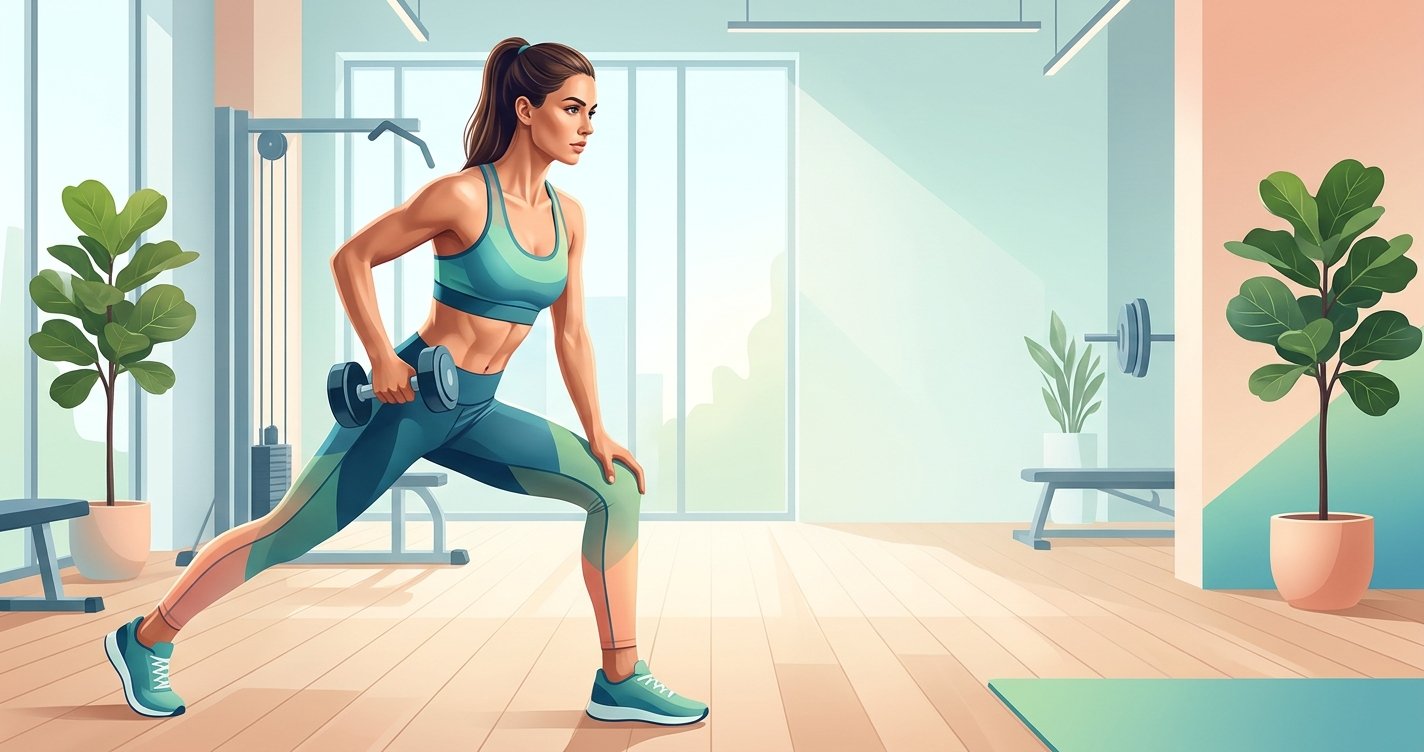
Are you tired of the endless cardio grind, meticulously counting calories, and still feeling frustrated with your fat loss journey? You're not alone! Many people believe that burning fat means spending hours on the treadmill, but what if we told you there's a more efficient, empowering, and sustainable path to achieving the body you desire? Enter strength training – your often-overlooked secret weapon for not just losing weight, but transforming your body composition, boosting your metabolism, and building lasting confidence.
In this comprehensive guide, we're going to dive deep into why lifting weights isn't just for bodybuilders, but for anyone serious about sustainable fat loss and a healthier, stronger you. We'll bust common myths, provide evidence-based insights, and give you practical steps to get started. Get ready to shift your focus from the scale to strength, and discover a truly transformative approach to fat loss! this excellent wellness product
Beyond the Scale: Why Muscle Matters More Than You Think
When it comes to fat loss, most people fixate on the number on the scale. While weight loss can be a goal, true body transformation is about fat loss and often, muscle gain. This is where strength training shines, offering benefits that cardio simply can't match for long-term body recomposition.
The Metabolic Advantage: Your Body's Calorie-Burning Engine
Here's the exciting truth: muscle tissue is far more metabolically active than fat tissue. This means that even at rest, your muscles burn more calories to maintain themselves. The more muscle you have, the higher your Basal Metabolic Rate (BMR) – the number of calories your body burns just to keep you alive. Think of it as upgrading your body's internal furnace to burn hotter, all day long.
But the benefits don't stop there. After a challenging strength training session, your body experiences an elevated post-exercise oxygen consumption (EPOC), often called the 'afterburn effect.' This means your body continues to burn extra calories for hours, even up to 24-48 hours, as it recovers and repairs muscle tissue. Compare this to cardio, where the calorie burn largely stops the moment you step off the machine. Strength training gives you a persistent metabolic boost that actively aids fat loss.
Sculpting Your Shape: The Aesthetic & Functional Benefits
While cardio might help you lose weight, it often leads to losing both fat and muscle, resulting in a 'skinny-fat' appearance. Strength training, however, helps you retain and build lean muscle mass while shedding fat. This process, known as body recomposition, creates a more toned, defined, and aesthetically pleasing physique. You'll notice changes in how your clothes fit, not just the number on the scale.
Beyond aesthetics, building strength translates into real-world benefits. Daily tasks become easier, your posture improves, and your risk of injury decreases. You'll feel more capable, confident, and energized, ready to tackle life's challenges with newfound vigor.
Strength Training 101: Getting Started Safely and Effectively
Intimidated by the weight room? Don't be! Getting started with strength training is simpler than you think. The key is to begin with proper form and gradually progress.
Choosing Your Tools: Weights, Bands, or Bodyweight?
You don't need a fancy gym membership to start. Here are your options:
- Bodyweight: Excellent for beginners. Push-ups, squats, lunges, planks, and glute bridges are fantastic starting points that require no equipment.
- Resistance Bands: Affordable, portable, and versatile. They add resistance to bodyweight exercises and can isolate specific muscle groups.
- Free Weights (Dumbbells & Barbells): Offer the most versatility and allow for progressive overload (gradually increasing the weight). Start with lighter weights to master form.
- Weight Machines: Great for beginners as they guide your movement, making form easier to learn.
The best tool is the one you'll use consistently. Start where you're comfortable and explore as you gain confidence.
Essential Movements for Beginners
Focus on compound movements that work multiple muscle groups simultaneously. These are highly efficient and effective:
- Squats: Works glutes, quads, hamstrings, and core.
- Deadlifts (or Romanian Deadlifts): Targets hamstrings, glutes, back, and core.
- Push-ups (or Incline Push-ups): Engages chest, shoulders, and triceps.
- Rows (Dumbbell Rows or Band Rows): Works back and biceps.
- Overhead Press: Targets shoulders and triceps.
- Lunges: Improves leg strength and balance.
- Planks: Builds core stability.
Aim for 2-3 sets of 8-12 repetitions for each exercise. Always prioritize proper form over lifting heavy weight. Watch instructional videos, consider a session with a certified trainer, or use apps that demonstrate correct technique.
Fueling Your Progress: Nutrition for Strength & Fat Loss
Your efforts in the gym will only go so far without the right fuel. Nutrition plays a critical role in both building muscle and shedding fat.
The Protein Powerhouse: Building and Repairing
Protein is your best friend when it comes to strength training and fat loss. It's essential for repairing and building muscle tissue after your workouts. Furthermore, protein is highly satiating, meaning it helps you feel fuller for longer, reducing cravings and making it easier to stick to a calorie deficit. Aim for 0.7-1 gram of protein per pound of body weight per day from sources like lean meats, poultry, fish, eggs, dairy, legumes, and protein supplements.
Strategic Carbs and Healthy Fats
Don't fall into the trap of cutting out entire food groups. Carbohydrates provide the energy your muscles need for intense workouts and aid in recovery. Focus on complex carbohydrates like whole grains, fruits, and vegetables. Healthy fats are crucial for hormone production, nutrient absorption, and overall health. Include sources like avocados, nuts, seeds, and olive oil in moderation. The key is balance and ensuring you're in a slight calorie deficit to encourage fat loss, while still providing adequate nutrients for muscle growth and energy.
Consistency is Key: Building a Sustainable Routine
The best workout program is the one you stick with. Consistency, not perfection, will yield the results you're seeking.
How Often Should You Train?
For most beginners and intermediates, 2-4 strength training sessions per week are ideal. This allows sufficient time for muscle groups to recover and grow. You can structure your workouts as full-body sessions or split them by muscle group (e.g., upper body/lower body). Listen to your body and ensure you're getting adequate rest between sessions targeting the same muscle groups.
Progressive Overload: The Secret to Continuous Gains
To keep building muscle and getting stronger, your body needs to be continually challenged. This is the principle of progressive overload. Once an exercise feels easy for your target reps and sets, it's time to increase the challenge. This could mean:
- Increasing the weight: The most common method.
- Doing more repetitions: If you're using bodyweight or bands.
- Doing more sets: Adding an extra set.
- Decreasing rest time: Between sets.
- Improving form: Performing the exercise with better control and range of motion.
Without progressive overload, your muscles won't have a reason to adapt and grow, and your fat loss progress might stall.
Busting Myths: What Strength Training ISN'T
Let's address some common misconceptions that often deter people from embracing strength training.
"Bulking Up" Fear: Why Women Won't Get "Manly"
This is perhaps the biggest myth holding women back. Significant muscle hypertrophy (bulking up) requires extremely high levels of testosterone, which women naturally have in much lower quantities than men. It also requires a very specific, high-calorie diet and years of dedicated, intense training. Lifting weights will lead to a lean, toned, and strong physique, not a "bulky" one. Embrace the strength – it's beautiful!
It's Not Just for Bodybuilders
Strength training is for everyone, regardless of age, gender, or fitness goals. From improving bone density and preventing osteoporosis, to enhancing athletic performance, boosting mood, and managing chronic conditions, the benefits extend far beyond just looking good. It's about building a resilient, functional, and healthy body for life.
Listen to Your Body: Recovery, Rest, and Mindset
While training hard is important, recovery is where your muscles actually grow and adapt. Prioritize 7-9 hours of quality sleep each night, as this is when your body does most of its repair work. Manage stress effectively, as chronic stress can hinder fat loss and muscle recovery. Remember, fat loss is a journey, not a race. Be patient, celebrate small victories, and focus on building sustainable habits rather than chasing quick fixes.
Your Stronger, Leaner Future Starts Today!
Embracing strength training is one of the most powerful decisions you can make for your fat loss journey and overall health. It's a transformative process that builds more than just muscle – it builds confidence, resilience, and a deeper connection to your body's incredible capabilities. Forget the endless cardio and restrictive diets; it's time to lift your way to a leaner, stronger, and more vibrant you.
So, what are you waiting for? Grab some weights, or simply your own body, and start building the body you've always dreamed of. Your future self will thank you!