Lift Your Way to Lean: The Science-Backed Guide to Sustainable Fat Loss Through Strength Training
Are you tired of the endless cycle of restrictive diets and grueling cardio sessions that leave you feeling exhausted and unmotivated? Do you dream of a sustainable path to fat loss that not only helps you shed unwanted pounds but also transforms your body, boosts your confidence, and improves your overall health? If so, it's time to discover the incredible power of strength training.
For too long, cardio has been crowned the undisputed king of fat loss. While it certainly plays a role, the truth is that strength training offers a unique, potent, and often overlooked advantage in the battle against body fat. This isn't just about building big muscles; it's about building a more efficient, fat-burning machine from the inside out. Get ready to ditch the dread and embrace a journey that will empower you to build a leaner, stronger, and more vibrant you. this excellent wellness product
Why Strength Training Trumps Cardio Alone for Sustainable Fat Loss
When it comes to fat loss, many people immediately think of logging endless hours on the treadmill. While cardio burns calories during the activity, its 'afterburn' effect is relatively short-lived. Strength training, however, offers a metabolic advantage that continues long after your workout ends.
The Power of EPOC: Your Post-Workout Fat-Burning Furnace
Strength training triggers a phenomenon known as EPOC (Excess Post-exercise Oxygen Consumption), often referred to as the 'afterburn effect.' After an intense lifting session, your body requires more oxygen to recover, repair muscle tissues, and restore physiological processes. This increased oxygen consumption means your body continues to burn calories at an elevated rate for hours, sometimes even up to 48 hours, post-workout. This prolonged calorie burn significantly contributes to your overall daily energy expenditure, making fat loss more efficient.
Muscle: Your Metabolic Powerhouse
Perhaps the most significant advantage of strength training for fat loss is its ability to build and preserve muscle mass. Unlike fat tissue, muscle is metabolically active, meaning it requires more energy to maintain, even at rest. The more muscle you have, the higher your resting metabolic rate (RMR) will be. A higher RMR means you burn more calories simply by existing, making it easier to create the caloric deficit necessary for fat loss without overly restrictive dieting.
The Science of Muscle: How It Burns Fat 24/7
Let's dive a little deeper into how increasing your muscle mass supercharges your body's fat-burning capabilities.
- Increased Resting Metabolic Rate (RMR): As mentioned, muscle tissue is more metabolically demanding than fat. For every pound of muscle you gain, your body burns an additional 7-13 calories per day at rest. While this might not sound like much individually, over weeks and months, and with multiple pounds of muscle, it adds up significantly, creating a consistent caloric burn that aids fat loss.
- Improved Insulin Sensitivity: Strength training enhances your body's sensitivity to insulin. Insulin is a hormone responsible for transporting glucose (sugar) from your bloodstream into your cells for energy. When you're more insulin sensitive, your body can use glucose more efficiently, reducing the likelihood of it being stored as fat. This is crucial for overall health and sustainable fat loss.
- Hormonal Optimization: Lifting weights can positively influence key fat-regulating hormones. It can boost growth hormone production, which aids in fat metabolism and muscle growth, and improve testosterone levels (in both men and women, though to different degrees), which is also linked to muscle building and fat loss.
Building Your Strength Training Plan: Getting Started
Ready to embrace the weights? Here’s how to start building an effective strength training routine for fat loss:
Focus on Compound Movements
Prioritize exercises that work multiple muscle groups simultaneously. These are incredibly efficient for calorie burn and muscle building. Examples include:
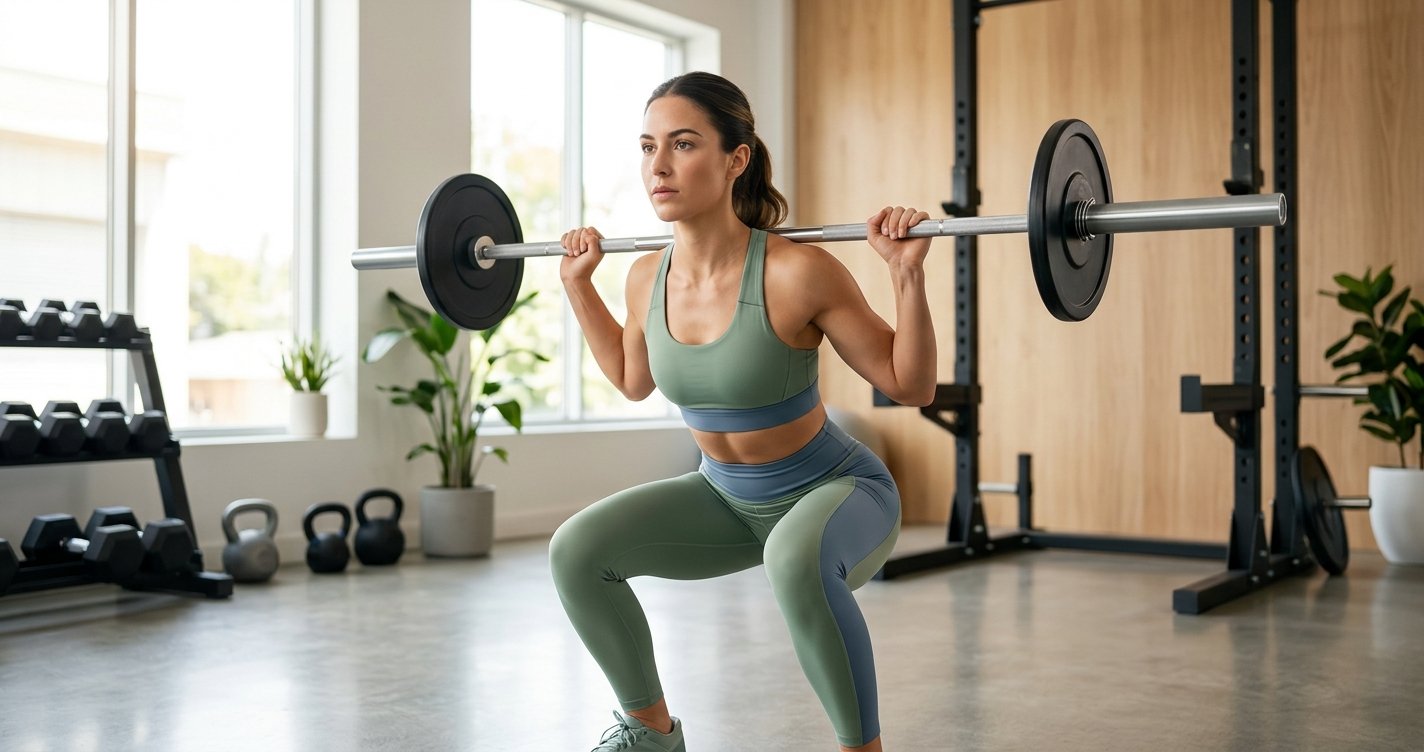
- Squats: Works quads, glutes, hamstrings, core.
- Deadlifts: Engages hamstrings, glutes, back, core.
- Bench Press: Targets chest, shoulders, triceps.
- Overhead Press: Strengthens shoulders, triceps, core.
- Rows: Works back, biceps, shoulders.
Start with 2-3 full-body strength training sessions per week on non-consecutive days, allowing your muscles time to recover and grow.
Embrace Progressive Overload
To continually challenge your muscles and stimulate growth, you must progressively overload them. This means gradually increasing the demands placed on your body over time. You can achieve this by:
- Increasing the weight you lift.
- Performing more repetitions with the same weight.
- Doing more sets.
- Reducing rest times between sets.
- Improving your exercise form.
Consistency is key. Small, consistent increases will yield significant results over time.
Nutrition: Fueling Your Lifts and Fat Loss
While strength training is a powerful tool, it works best in conjunction with smart nutrition. You can't out-train a poor diet, especially when your goal is fat loss.
- Prioritize Protein: Protein is essential for muscle repair and growth. Aim for 0.7-1 gram of protein per pound of body weight to support your muscle-building efforts and help with satiety, which is crucial for fat loss.
- Maintain a Moderate Caloric Deficit: To lose fat, you still need to consume fewer calories than you burn. However, avoid extreme deficits, as this can hinder muscle recovery and lead to muscle loss. A moderate deficit of 300-500 calories below your maintenance level is often effective and sustainable.
- Don't Fear Carbs and Healthy Fats: Carbs provide the energy for your intense workouts, and healthy fats are vital for hormone production and overall health. Focus on whole, unprocessed sources for both.
- Hydration: Drink plenty of water throughout the day. It's crucial for performance, metabolism, and overall bodily functions.
Overcoming Common Myths & Misconceptions
Let's debunk some common fears surrounding strength training, especially for women.
“I Don't Want to Get Bulky!”
This is perhaps the most common misconception, particularly among women. Building significant, 'bulky' muscle mass takes immense dedication, specific training protocols, and often, a genetic predisposition or pharmaceutical assistance. Women naturally have much lower levels of testosterone than men, making it very difficult to accidentally become 'bulky.' Instead, you'll develop a lean, toned, and strong physique that accentuates your natural curves.
“The Scale Isn't Moving!”
When you start strength training, especially if you're new to it, you might notice that the number on the scale doesn't drop as quickly as you'd expect, or it might even slightly increase. Don't panic! This is often because you're simultaneously losing fat and building muscle. Muscle is denser than fat, so while your body composition is improving (less fat, more muscle), the scale might not reflect the full story. Focus on how your clothes fit, your energy levels, and measurements rather than solely the scale.
Beyond the Physical: Mental & Emotional Benefits
The benefits of strength training extend far beyond a leaner physique. It's a powerful tool for mental and emotional well-being.
- Increased Confidence: As you get stronger and see what your body is capable of, your self-esteem will soar. The feeling of lifting heavier weights or mastering a new movement is incredibly empowering.
- Stress Reduction: Exercise, especially strength training, is a fantastic stress reliever. It provides an outlet for tension and can improve your mood by releasing endorphins.
- Improved Body Image: Shifting your focus from what your body looks like to what it can do fosters a healthier, more positive body image. You'll appreciate your strength and capabilities.
- Better Sleep: Regular strength training can lead to improved sleep quality, which in turn aids in recovery and overall well-being.
Putting It All Together: Your Sustainable Fat Loss Journey Begins
Embracing strength training for fat loss is a journey, not a race. It requires patience, consistency, and a willingness to challenge yourself. Start with proper form, gradually increase the intensity, and fuel your body with nourishing foods. Remember that progress isn't always linear, but every session brings you closer to your goals.
Don't be afraid to seek guidance from a qualified personal trainer, especially when you're starting. They can help you learn proper form, create a personalized plan, and keep you motivated.
Conclusion
If you're ready to transform your body, boost your metabolism, and achieve sustainable fat loss results that last, it's time to incorporate strength training into your routine. This isn't just about fitting into a smaller size; it's about building a stronger, healthier, and more confident you. So, pick up those weights, unleash your inner power, and start lifting your way to lean – the science is on your side!