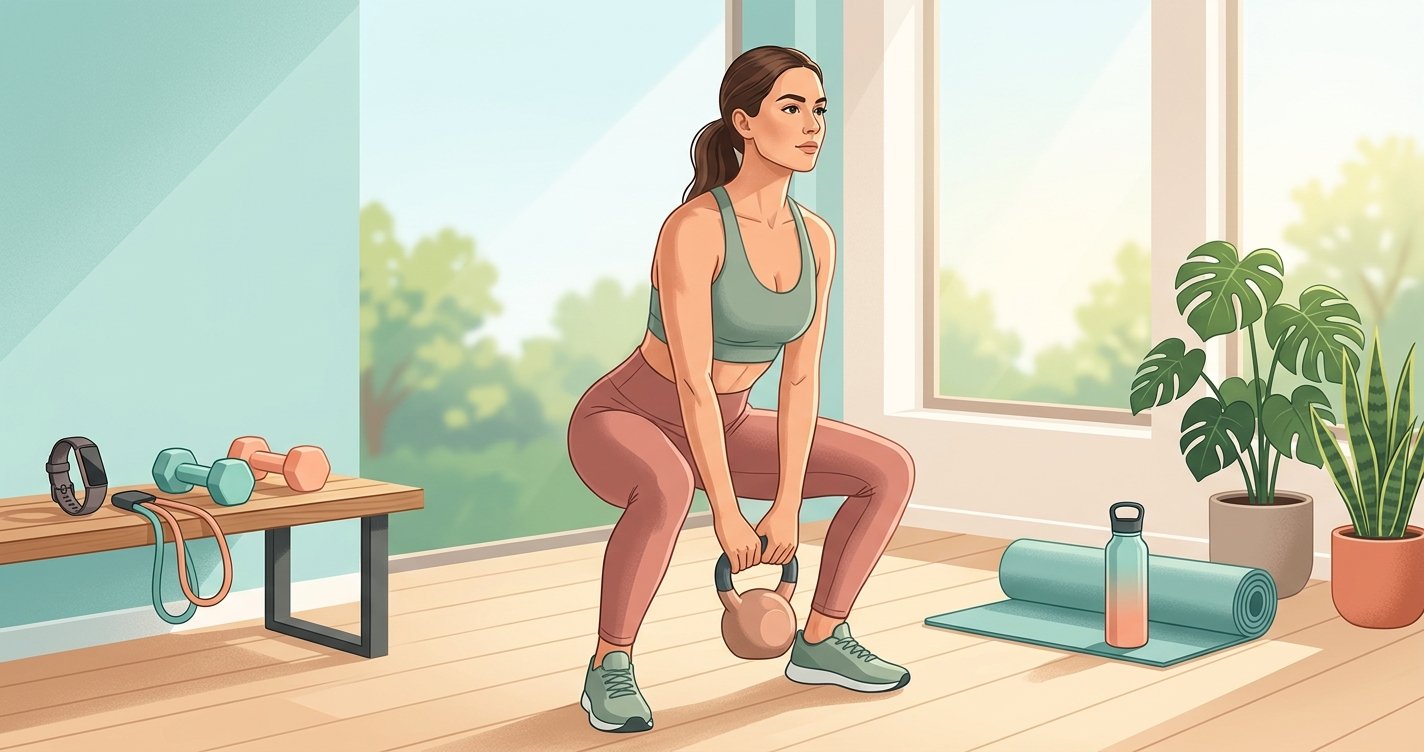
Tired of Endless Cardio? Discover the Power of Strength Training for Fat Loss!
For years, the go-to advice for fat loss has been simple: eat less, move more, and hit the treadmill until you can't feel your legs. While cardio certainly has its place in a healthy lifestyle, if your primary goal is sustainable fat loss and a truly transformed body, you might be missing the most powerful tool in your arsenal: strength training.
Forget the myth that lifting weights will make you "bulky" or that it's only for bodybuilders. The truth is, incorporating resistance training into your routine is one of the most effective, efficient, and empowering ways to shed unwanted fat, sculpt your physique, and boost your overall health. It's not just about losing weight; it's about changing your body composition – reducing fat while building lean muscle – which is the true secret to a strong, healthy, and metabolically active body. this excellent wellness product
Ready to unlock your potential and build a body that feels as good as it looks? Let's dive into why strength training is your ultimate secret weapon for sustainable fat loss.
Why Strength Training is a Fat Loss Game-Changer
When it comes to fat loss, many people focus solely on burning calories during a workout. While important, the real magic of strength training extends far beyond the gym floor. Here's how it fundamentally changes your body's fat-burning capabilities:
- Boosts Your Metabolism: Muscle tissue is far more metabolically active than fat tissue. This means that even at rest, your muscles burn more calories to maintain themselves. The more muscle you have, the higher your basal metabolic rate (BMR) – the number of calories your body burns just to exist. Essentially, building muscle turns your body into a more efficient, 24/7 fat-burning machine.
- Preserves Muscle During a Calorie Deficit: To lose fat, you generally need to be in a calorie deficit (consuming fewer calories than you burn). However, without strength training, a calorie deficit can lead to both fat and muscle loss. Lifting weights signals to your body that you need to retain your muscle, ensuring that the weight you lose is primarily fat, not precious muscle.
- Improves Body Composition: Fat loss isn't just about the number on the scale. It's about changing your body composition. Two people can weigh the same, but the one with more muscle and less fat will look leaner, feel stronger, and be healthier. Strength training directly improves this ratio, giving you a firmer, more toned physique.
The "Afterburn Effect": Burn Calories Long After Your Workout
One of the most exciting benefits of strength training for fat loss is the "afterburn effect," scientifically known as Excess Post-exercise Oxygen Consumption (EPOC). Unlike steady-state cardio, which primarily burns calories during the activity itself, intense strength training causes your body to continue burning extra calories at an elevated rate for hours, and sometimes even days, after your workout is finished.
Why does this happen? After a challenging lifting session, your body needs extra oxygen to recover, repair muscle tissue, replenish energy stores, and return to its pre-exercise state. This recovery process requires energy, which means your metabolism stays elevated, continuing to torch calories long after you've put down the weights. It's like getting a bonus calorie burn just for working hard!
Beyond the Scale: The Transformative Benefits of Lifting
While fat loss is a fantastic outcome, the benefits of strength training extend far beyond what the scale can tell you. Embracing a lifting routine can profoundly impact your overall health and well-being:
- Increased Strength and Functional Fitness: Everyday tasks become easier, from carrying groceries to playing with your kids.
- Improved Bone Density: Weight-bearing exercises put stress on your bones, signaling them to become stronger, which is crucial for preventing osteoporosis as you age.
- Enhanced Joint Health: Strong muscles provide better support for your joints, reducing the risk of injury and alleviating discomfort.
- Better Mood and Reduced Stress: Exercise, especially challenging strength training, releases endorphins, natural mood elevators that can combat stress, anxiety, and even symptoms of depression.
- Boosted Confidence and Body Image: As you get stronger and see your body transform, your self-esteem will soar. You'll feel more capable, empowered, and comfortable in your own skin.
- Better Sleep Quality: Regular exercise can lead to deeper, more restorative sleep, which is vital for recovery and overall health.
Getting Started: Your First Steps into the Weight Room
Feeling inspired but unsure where to begin? Don't worry, everyone starts somewhere! Here's how to safely and effectively begin your strength training journey:
- Consult a Professional: If you have any underlying health conditions, always consult your doctor before starting a new exercise program. Consider hiring a certified personal trainer for a few sessions to learn proper form and create a personalized plan.
- Start with the Basics: You don't need to lift heavy weights immediately. Begin with bodyweight exercises (squats, lunges, push-ups, planks) or light dumbbells/resistance bands to master movement patterns.
- Focus on Compound Movements: These exercises work multiple muscle groups simultaneously, making your workouts more efficient and effective. Examples include squats, deadlifts, overhead presses, bench presses, and rows.
- Frequency is Key: Aim for 2-3 full-body strength training sessions per week on non-consecutive days to allow for muscle recovery. As you progress, you can increase this to 3-4 sessions, potentially splitting into upper/lower body routines.
- Warm-up and Cool-down: Always start with 5-10 minutes of light cardio and dynamic stretches (arm circles, leg swings) and end with 5-10 minutes of static stretches (holding stretches).
Crafting Your Workout: Essential Exercises & Progressive Overload
A well-rounded strength training program will target all major muscle groups. Here are some foundational exercises to include:
- Lower Body: Squats (goblet squat, barbell squat), Lunges (forward, reverse), Romanian Deadlifts (RDLs), Glute Bridges, Calf Raises.
- Upper Body Push: Push-ups, Bench Press (dumbbell or barbell), Overhead Press (dumbbell or barbell), Dips.
- Upper Body Pull: Rows (dumbbell row, barbell row, cable row), Lat Pulldowns, Pull-ups (assisted if needed), Face Pulls.
- Core: Planks, Side Planks, Crunches, Russian Twists (controlled).
For most fat loss and muscle building goals, aim for 3-4 sets of 8-12 repetitions per exercise, with 60-90 seconds rest between sets. Focus on controlling the movement, both on the way up and the way down.
The Principle of Progressive Overload
This is the cornerstone of continuous progress in strength training. To keep getting stronger and building muscle, you must continually challenge your body. This means gradually increasing the demands placed on your muscles over time. Ways to achieve progressive overload include:
- Increasing the weight: The most common method.
- Increasing repetitions: Doing more reps with the same weight.
- Increasing sets: Adding an extra set to an exercise.
- Decreasing rest time: Shortening the time between sets.
- Improving form: Performing an exercise with better control and range of motion.
- Increasing frequency: Training a muscle group more often.
Without progressive overload, your body adapts, and your progress will stall. Keep a workout journal to track your progress and ensure you're consistently challenging yourself.
Fueling Your Gains: Nutrition for Strength & Fat Loss
You can't out-train a poor diet. For optimal fat loss and muscle retention, your nutrition must support your training:
- Prioritize Protein: Aim for 0.7-1 gram of protein per pound of body weight per day. Protein helps build and repair muscle, keeps you feeling full, and has a higher thermic effect (burns more calories during digestion) than carbs or fats.
- Don't Fear Carbohydrates: Carbs provide the energy needed for intense workouts and aid in recovery. Choose complex carbohydrates like whole grains, fruits, and vegetables.
- Include Healthy Fats: Essential for hormone production and overall health. Think avocados, nuts, seeds, and olive oil.
- Calorie Deficit (but not too extreme): While you need a deficit to lose fat, going too low can hinder performance and lead to muscle loss. A moderate deficit of 300-500 calories below your maintenance level is usually effective and sustainable.
- Hydration: Drink plenty of water throughout the day to support performance, recovery, and metabolic function.
- Focus on Whole Foods: Minimize processed foods, sugary drinks, and excessive amounts of unhealthy fats.
Common Mistakes to Avoid on Your Strength Training Journey
Even with the best intentions, it's easy to fall into common traps:
- Ego Lifting: Lifting too heavy with poor form is a recipe for injury, not gains. Focus on proper technique first.
- Neglecting Recovery: Muscles grow and repair when you're resting, not when you're training. Ensure adequate sleep (7-9 hours) and active rest days.
- Not Tracking Progress: If you don't know what you did last week, how can you progressively overload this week? Keep a journal!
- Comparing Yourself to Others: Everyone's journey is unique. Focus on your own progress and celebrate your own victories.
- Giving Up Too Soon: Fat loss and muscle building take time and consistency. Don't get discouraged if results aren't immediate.
Making It Sustainable: Consistency, Patience, and Enjoyment
The most effective workout program is the one you stick with. To make strength training a lasting part of your fat loss journey:
- Find What You Enjoy: Whether it's free weights, machines, bodyweight, or a class, discover the type of strength training that keeps you motivated.
- Be Patient: True body transformation takes time. Focus on consistency over perfection.
- Celebrate Non-Scale Victories: Notice your clothes fitting better, your energy levels increasing, your strength improving, or your mood lifting. These are all signs of progress!
- Listen to Your Body: Some days you'll feel stronger than others. Adjust your intensity when needed and don't be afraid to take an extra rest day if you're feeling overly fatigued.
Unleash Your Inner Strength!
Strength training is far more than just a way to lose fat; it's a pathway to a stronger, healthier, and more confident you. By building lean muscle, you'll boost your metabolism, reshape your body, and gain an incredible sense of empowerment that extends far beyond the gym.
So, ditch the endless cardio sessions (or at least balance them out!), pick up those weights, and start lifting your way to a leaner, more vibrant you. Your body (and your metabolism!) will thank you for it.