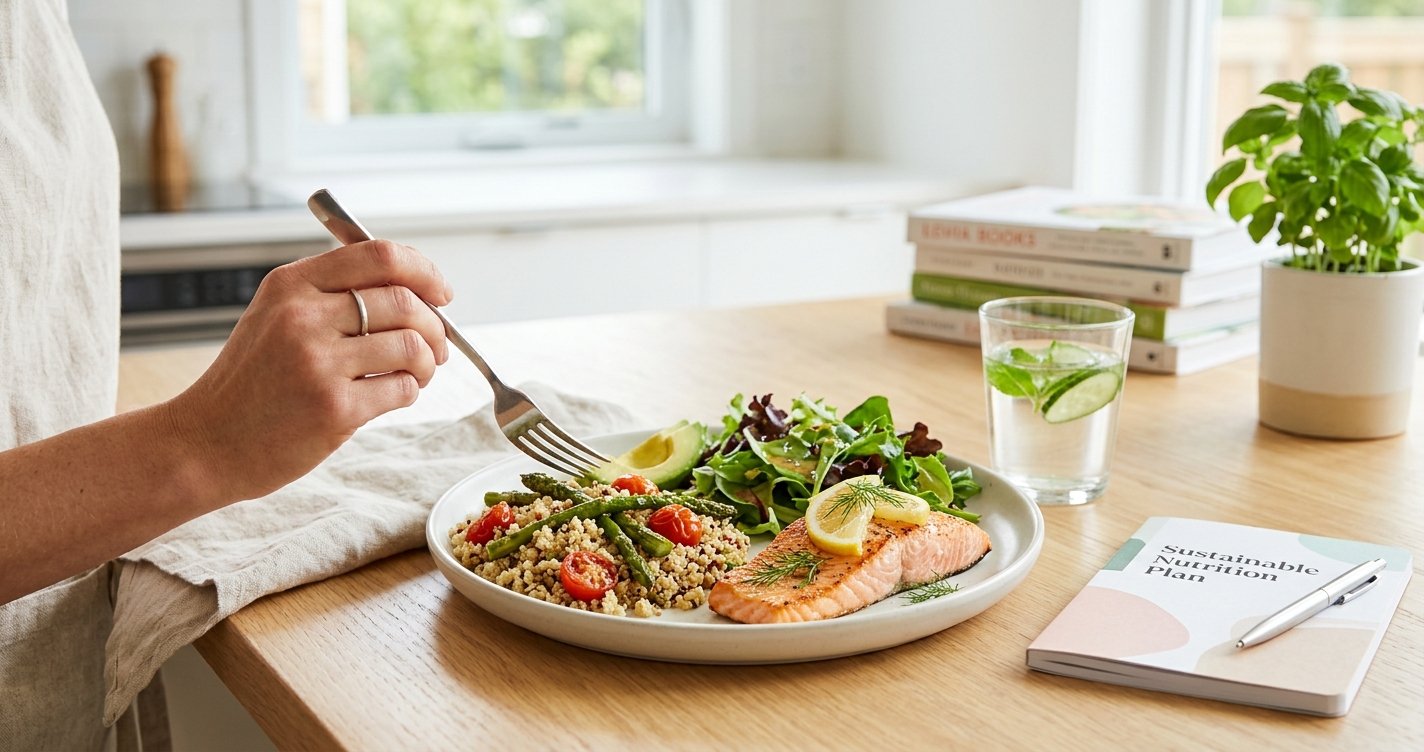
Tired of the endless cycle of restrictive diets, quick fixes, and disappointing rebounds? You’re not alone. The journey to fat loss can feel like navigating a maze, especially with so much conflicting information out there. But what if the secret to lasting success wasn’t about deprivation, but about embracing smart, sustainable nutrition strategies that genuinely nourish your body and mind?
This isn't another fad diet manifesto. Instead, we're diving deep into evidence-based approaches that empower you to build habits for long-term health and a body composition you feel great about. Forget extreme rules; let's talk about mastering your plate with practical, friendly, and encouraging steps that truly stick. this excellent wellness product
Why Sustainable Nutrition Trumps Crash Diets (Every Time!)
The allure of rapid weight loss from crash diets is powerful, but their track record for long-term success is dismal. These extreme approaches often lead to nutrient deficiencies, muscle loss (not just fat!), metabolic slowdown, and the dreaded yo-yo effect. Your body, designed for survival, perceives severe restriction as a threat, often leading to rebound weight gain and a damaged relationship with food.
Sustainable nutrition, on the other hand, focuses on gradual, consistent changes that you can maintain indefinitely. It's about creating a lifestyle, not just a temporary fix. This approach prioritizes your overall well-being, preserving muscle mass, boosting your metabolism, and fostering a healthier mindset around eating. It’s the difference between a sprint and a marathon – one might get you there faster, but the other ensures you finish strong and stay there.
The Foundation: Understanding Your Calorie Deficit (Without Obsession)
At its core, fat loss boils down to a simple principle: consuming fewer calories than your body burns – a calorie deficit. However, the key to sustainability lies in the *degree* of that deficit. A moderate calorie deficit (typically 300-500 calories below your maintenance level) allows for steady fat loss without triggering extreme hunger, energy crashes, or the metabolic adaptations that sabotage crash dieters.
You don't need to obsessively count every single calorie, but understanding your estimated Total Daily Energy Expenditure (TDEE) can be a helpful starting point. Online calculators can provide an estimate, but remember they are just that – estimates. The real magic happens when you combine this knowledge with listening to your body's hunger and fullness cues. Focus on consistency over perfection, aiming for a slight deficit most days of the week.
Power Up with Protein: Your Fat Loss Ally
If there's one macronutrient that deserves star billing in your fat loss journey, it's protein. Protein is a powerhouse for several reasons:
- Satiety: Protein is incredibly filling. Including adequate protein in your meals helps you feel fuller for longer, reducing overall calorie intake throughout the day.
- Muscle Preservation: When you're in a calorie deficit, your body can sometimes break down muscle tissue for energy. A higher protein intake helps to spare this precious muscle, ensuring that the weight you lose is primarily fat.
- Thermic Effect of Food (TEF): Protein has a higher TEF than carbs or fats, meaning your body burns more calories just to digest and process it. It's a small but significant metabolic boost.
Aim for roughly 1.6-2.2 grams of protein per kilogram of body weight per day, distributed across your meals. Focus on lean sources:
- Animal Sources: Chicken breast, turkey, lean beef, fish (salmon, tuna, cod), eggs, Greek yogurt, cottage cheese.
- Plant Sources: Lentils, beans, chickpeas, tofu, tempeh, edamame, quinoa, protein powder (whey, casein, plant-based).
The Magic of Fiber: Feel Full, Stay Healthy
Fiber is another unsung hero in the world of sustainable fat loss. Often found in whole, unprocessed foods, fiber offers a multitude of benefits:
- Enhanced Satiety: Like protein, fiber adds bulk to your meals, making you feel fuller and more satisfied without adding many calories. Soluble fiber, in particular, forms a gel in your gut, slowing digestion and nutrient absorption.
- Blood Sugar Regulation: Fiber helps to stabilize blood sugar levels, preventing spikes and crashes that can lead to cravings and overeating.
- Digestive Health: A healthy gut is crucial for overall well-being and can indirectly support weight management. Fiber keeps things moving smoothly!
Make an effort to include plenty of fiber-rich foods in your diet:
- Fruits: Berries, apples, pears (with skin), oranges.
- Vegetables: Broccoli, spinach, kale, Brussels sprouts, carrots, sweet potatoes.
- Whole Grains: Oats, quinoa, brown rice, whole wheat bread.
- Legumes: Beans, lentils, chickpeas.
- Nuts and Seeds: Chia seeds, flax seeds, almonds, walnuts.
Embrace Whole Foods: Nature's Nutrient Powerhouses
One of the simplest yet most powerful shifts you can make for sustainable fat loss is to prioritize whole, unprocessed foods. Think of foods that look as close to their natural state as possible – an apple, a chicken breast, a handful of almonds, a bowl of oats.
Ultra-processed foods, on the other hand, are often high in refined sugars, unhealthy fats, and artificial ingredients, while being low in essential nutrients and fiber. They're designed to be hyper-palatable, making it easy to overeat without feeling truly satisfied.
By choosing whole foods, you naturally increase your intake of vitamins, minerals, fiber, and protein, while reducing exposure to empty calories. This doesn't mean you can never enjoy a treat, but making whole foods the cornerstone of your diet sets you up for success. Cook more at home, experiment with new recipes, and make smart swaps like choosing fruit over candy, or nuts over chips.
Beyond Macros: The Art of Mindful Eating
While understanding calories, protein, and fiber is crucial, how you eat is just as important as what you eat. Mindful eating is the practice of paying full attention to your food – its taste, texture, aroma, and the physical sensations of hunger and fullness.
In our fast-paced world, it’s easy to eat distractedly – in front of the TV, while working, or on the go. This often leads to overeating because we miss our body’s signals of satiety. Mindful eating helps you:
- Recognize Hunger & Fullness Cues: Learn to differentiate between true physical hunger and emotional hunger. Stop eating when you're comfortably full, not stuffed.
- Savor Your Food: Slow down, chew thoroughly, and truly appreciate the experience of eating. This enhances enjoyment and gives your brain time to register fullness.
- Reduce Emotional Eating: By becoming more aware of your emotions, you can find healthier coping mechanisms than turning to food.
Try putting your fork down between bites, eating without distractions, and checking in with your body throughout the meal. This simple practice can profoundly impact your relationship with food and your ability to manage your weight sustainably.
Hydration and Healthy Habits: The Unsung Heroes
Don't underestimate the power of water! Staying well-hydrated is essential for optimal metabolism, energy levels, and even satiety. Sometimes, thirst can be mistaken for hunger, leading to unnecessary snacking. Aim for at least 8 glasses of water a day, more if you're active.
Beyond nutrition, remember that fat loss is a holistic endeavor. Adequate sleep (7-9 hours per night) and effective stress management are critical. Poor sleep can disrupt hormones that regulate hunger and appetite (ghrelin and leptin), while chronic stress can lead to increased cortisol levels, which can promote fat storage, particularly around the midsection.
Your Journey to Lasting Fat Loss Starts Now
Sustainable fat loss isn't about perfection; it's about consistency, patience, and making choices that serve your long-term health and happiness. By focusing on a moderate calorie deficit, prioritizing protein and fiber, embracing whole foods, and practicing mindful eating, you're building a robust foundation for success.
Remember, this is a journey, not a destination. There will be good days and challenging days. Be kind to yourself, celebrate small victories, and adjust as you learn what works best for your unique body and lifestyle. Start small, implement one strategy at a time, and watch as these sustainable habits transform not just your body, but your entire well-being. You've got this!