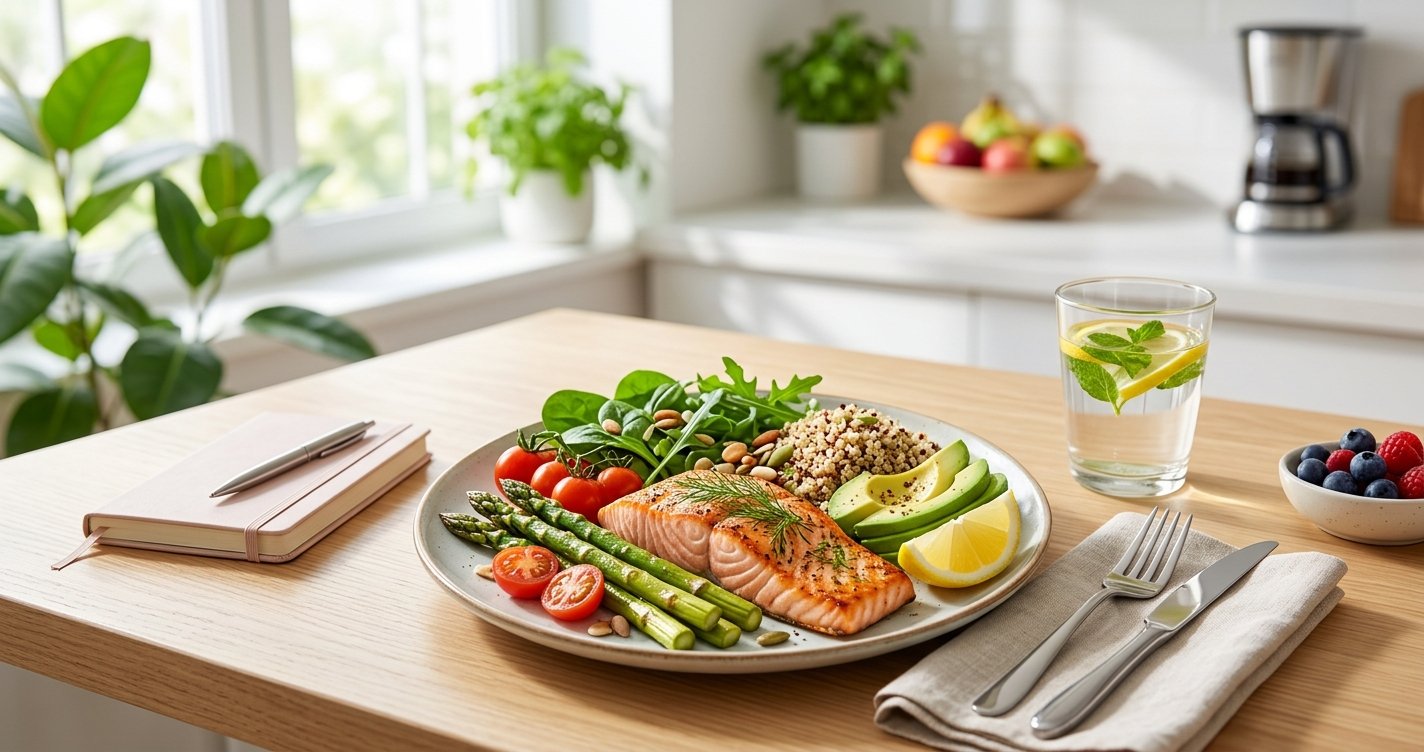
Are you tired of the diet rollercoaster? You know the drill: extreme restrictions, rapid weight loss, only to see the numbers creep back up (and sometimes bring friends!). It’s a frustrating cycle that leaves many feeling defeated and questioning if sustainable fat loss is even possible.
The good news? It absolutely is! The secret isn't in deprivation or trendy detoxes, but in building a positive, sustainable relationship with food. It's about understanding how to fuel your body intelligently, not just for the short term, but for lasting health and a leaner you. This isn't just about losing weight; it's about gaining vitality, energy, and confidence through smart, enjoyable eating habits. this excellent wellness product
In this comprehensive guide, we'll ditch the quick fixes and dive deep into evidence-based nutrition strategies that empower you to master your plate and achieve sustainable fat loss. No more guessing, no more grueling restrictions – just practical, friendly advice to help you transform your body and your relationship with food for good.
Why Fad Diets Fall Short (and What Works Instead)
Fad diets often promise rapid results by eliminating entire food groups or promoting extreme calorie deficits. While they might show initial success, they're rarely sustainable because they don't teach you how to eat for life. They create a sense of scarcity, lead to cravings, and often result in nutrient deficiencies or, worse, a damaged metabolism.
True, sustainable fat loss isn't about a temporary diet; it's about adopting a lifestyle. It’s about understanding fundamental principles that work with your body, not against it. The core principle? A consistent, moderate calorie deficit, supported by nutrient-dense foods and mindful eating practices.
The Calorie Deficit: Your Non-Negotiable Foundation
Let's be clear: regardless of the diet approach you choose, a calorie deficit is the fundamental requirement for fat loss. This means consistently consuming slightly fewer calories than your body burns each day. Your body then taps into its stored fat for energy. However, the key is "slightly fewer" – a moderate deficit (around 300-500 calories below your maintenance level) is far more sustainable and effective than drastic cuts, which can lead to muscle loss and metabolic slowdown.
Think of it like balancing a budget. If you spend less than you earn, you save money. If you eat less energy than you expend, your body uses stored energy (fat). It's simple math, but the quality of what you eat within that deficit makes all the difference.
The Power Players on Your Plate: Macronutrients for Fat Loss
Macronutrients – protein, fats, and carbohydrates – are the building blocks of your diet, each playing a crucial role in energy, satiety, and body composition. Optimizing their intake is key to feeling full, preserving muscle, and effectively burning fat.
Protein: Your Satiety and Muscle Savior
If there's one macronutrient to prioritize for fat loss, it's protein. Here's why:
- High Satiety: Protein is incredibly filling. Including adequate protein in your meals helps you feel fuller for longer, reducing overall calorie intake and curbing those pesky cravings.
- Muscle Preservation: When you're in a calorie deficit, there's a risk of losing not just fat, but also valuable muscle mass. Protein helps to protect your muscles, which is vital because muscle tissue burns more calories at rest than fat tissue.
- Thermogenic Effect: Your body uses more energy to digest and metabolize protein compared to fats or carbs. This is known as the thermic effect of food (TEF), and protein has the highest TEF.
Practical Tip: Aim for 20-30 grams of protein at each main meal. Excellent sources include lean meats (chicken, turkey, lean beef), fish, eggs, dairy (Greek yogurt, cottage cheese), legumes (lentils, beans), and plant-based protein powders.
Healthy Fats: Essential for Health and Hormones
Don't fall for the "fat-free" trap! Healthy fats are absolutely essential for hormone production, nutrient absorption (especially fat-soluble vitamins like A, D, E, K), and overall cellular function. They also contribute to satiety, helping you feel satisfied after meals.
However, fats are calorie-dense (9 calories per gram compared to 4 for protein and carbs), so portion control is crucial. Focus on unsaturated fats found in:
- Avocado
- Nuts and seeds (almonds, walnuts, chia seeds, flax seeds)
- Olive oil, avocado oil
- Fatty fish (salmon, mackerel)
Practical Tip: Include a small serving of healthy fats with each meal, such as a quarter of an avocado, a tablespoon of olive oil, or a small handful of nuts.
Carbohydrates: Fueling Your Body Smartly
Carbohydrates are your body's primary source of energy. The key for fat loss is choosing the right types of carbs and managing portion sizes. Forget the idea that all carbs are bad; complex carbohydrates are your friends!
- Complex Carbs: Found in whole grains (oats, brown rice, quinoa), vegetables, and fruits, these are rich in fiber. They provide sustained energy, prevent blood sugar spikes, and keep you feeling full.
- Simple Carbs: Found in sugary drinks, white bread, pastries, and candies, these offer quick energy but often lead to blood sugar crashes and increased cravings. Limit these as much as possible.
Practical Tip: Prioritize complex carbohydrates, especially those high in fiber. Think a fist-sized portion of quinoa or brown rice, or plenty of colorful vegetables at each meal. Timing your carbs around your workouts can also be beneficial for energy.
Beyond Macros: Quality, Fiber, and Hydration
While macronutrient balance is crucial, the quality of your food choices, your fiber intake, and staying well-hydrated play equally important roles in your fat loss journey.
Embrace Whole, Unprocessed Foods
This is perhaps the simplest yet most powerful advice: focus on eating whole, unprocessed foods that come from nature, not a factory. These foods are generally:
- Nutrient-Dense: Packed with vitamins, minerals, and antioxidants your body needs.
- Lower in Calories: Often have a lower calorie density, meaning you can eat more volume for fewer calories, contributing to greater satiety.
- Free from Additives: Avoid artificial ingredients, excessive sugar, and unhealthy trans fats found in processed items.
Think fresh fruits, vegetables, lean proteins, whole grains, and healthy fats. Make these the foundation of your diet.
The Fiber Factor: Fullness and Gut Health
Fiber is a superstar for fat loss! It adds bulk to your meals without adding many calories, helping you feel incredibly full and satisfied. It also slows down digestion, which helps stabilize blood sugar levels and prevent energy crashes. Beyond fat loss, fiber is crucial for a healthy gut microbiome, which is increasingly linked to metabolism and overall health.
Sources: Load up on vegetables, fruits (especially with the skin on), legumes, and whole grains.
Hydration: Often Overlooked, Always Important
Water is essential for every bodily function, including metabolism. Sometimes, thirst can be mistaken for hunger, leading to unnecessary snacking. Staying well-hydrated can:
- Help with satiety.
- Support metabolic processes.
- Aid in nutrient transport and waste elimination.
Practical Tip: Aim for 8 glasses (around 2 liters) of water daily, and even more if you're active. Keep a water bottle handy and sip throughout the day.
Mindful Eating: The Secret Ingredient for Sustainable Success
Nutrition isn't just about what you eat, but also how you eat. Mindful eating is a powerful tool that helps you reconnect with your body's natural hunger and fullness cues, preventing overeating and fostering a healthier relationship with food.
Tune In to Your Body's Signals
Before you eat, ask yourself: "Am I truly hungry, or am I bored, stressed, or just craving something?" During your meal, pay attention to the flavors, textures, and smells. Eat slowly, savor each bite, and pause periodically to check in with your hunger levels. Stop when you feel comfortably satisfied, not stuffed.
Ditch the Distractions
Eating in front of the TV, scrolling through your phone, or working at your desk can lead to mindless overeating. When you're distracted, you're less likely to register how much you've eaten or truly enjoy your food. Make mealtime a dedicated, distraction-free experience whenever possible.
Practical Strategies for Long-Term Success
Knowledge is power, but application is transformation. Here are actionable steps to integrate these nutrition principles into your daily life.
Meal Planning and Preparation: Your Weekly Win
Failing to plan is planning to fail, especially when it comes to healthy eating. Dedicate some time each week to:
- Plan Your Meals: Decide what you'll eat for breakfast, lunch, dinner, and snacks.
- Grocery Shop Smart: Buy only what you need according to your plan, focusing on whole ingredients.
- Prep Ahead: Wash and chop vegetables, cook a batch of grains or lean protein, and portion out snacks. This makes healthy choices effortless during busy weekdays.
Smart Snacking: Keeping Cravings at Bay
Snacks can be a valuable tool for managing hunger and preventing overeating at main meals, but choose wisely. Opt for nutrient-dense, protein and fiber-rich options like:
- Greek yogurt with berries
- Apple slices with a tablespoon of nut butter
- Hard-boiled eggs
- Vegetable sticks with hummus
- A small handful of nuts
Don't Fear the Occasional Treat (But Plan for It!)
Sustainability means flexibility. Completely restricting your favorite foods often leads to intense cravings and eventual binges. Adopt an "80/20" approach: eat nourishing, whole foods 80% of the time, and allow for a small, planned treat 20% of the time. This keeps you sane, prevents feelings of deprivation, and makes your fat loss journey enjoyable and long-lasting.
Your Journey to Sustainable Fat Loss Starts Now
Embarking on a fat loss journey can feel overwhelming, but by focusing on sustainable nutrition strategies, you're setting yourself up for success, not just for a few weeks, but for life. Remember, this isn't about perfection; it's about progress and consistency.
Prioritize protein, embrace healthy fats, choose complex carbs, load up on fiber, stay hydrated, and practice mindful eating. These are the cornerstones of a diet that will not only help you shed fat but also boost your energy, improve your health, and foster a truly positive relationship with food.
Start small, be patient with yourself, and celebrate every healthy choice you make. Your body will thank you, and you'll discover that mastering your plate is the most empowering step you can take towards lasting fat loss and a healthier, happier you!