Tired of the Diet Rollercoaster? Embrace Sustainable Nutrition for Lasting Fat Loss!
Let's be honest: the world of fat loss can feel like a confusing maze. One day it's keto, the next it's intermittent fasting, then suddenly everyone's counting macros like their life depends on it. While many diets promise quick fixes, the truth is, most leave us feeling deprived, frustrated, and often right back where we started (or even heavier!).
What if I told you there's a more gentle, effective, and sustainable path to fat loss? It’s not about extreme restriction or cutting out entire food groups forever. It’s about understanding the power of nutrition, making smart choices, and building habits that support your body for the long haul. Welcome to the world of sustainable nutrition strategies – your ultimate guide to mastering your plate for lasting fat loss. this excellent wellness product
This isn't just about shedding pounds; it's about nourishing your body, boosting your energy, and feeling incredible from the inside out. Ready to ditch the diet drama and embrace a healthier, happier you? Let’s dive in!
The Foundation: Why Sustainable Nutrition Wins Over Fad Diets
The allure of rapid weight loss is strong, but fad diets often come with a hefty price tag: nutrient deficiencies, metabolic slowdown, and a damaged relationship with food. They typically involve drastic calorie cuts, which can lead to muscle loss (not just fat!), rebound weight gain, and a cycle of yo-yo dieting that's incredibly demoralizing.
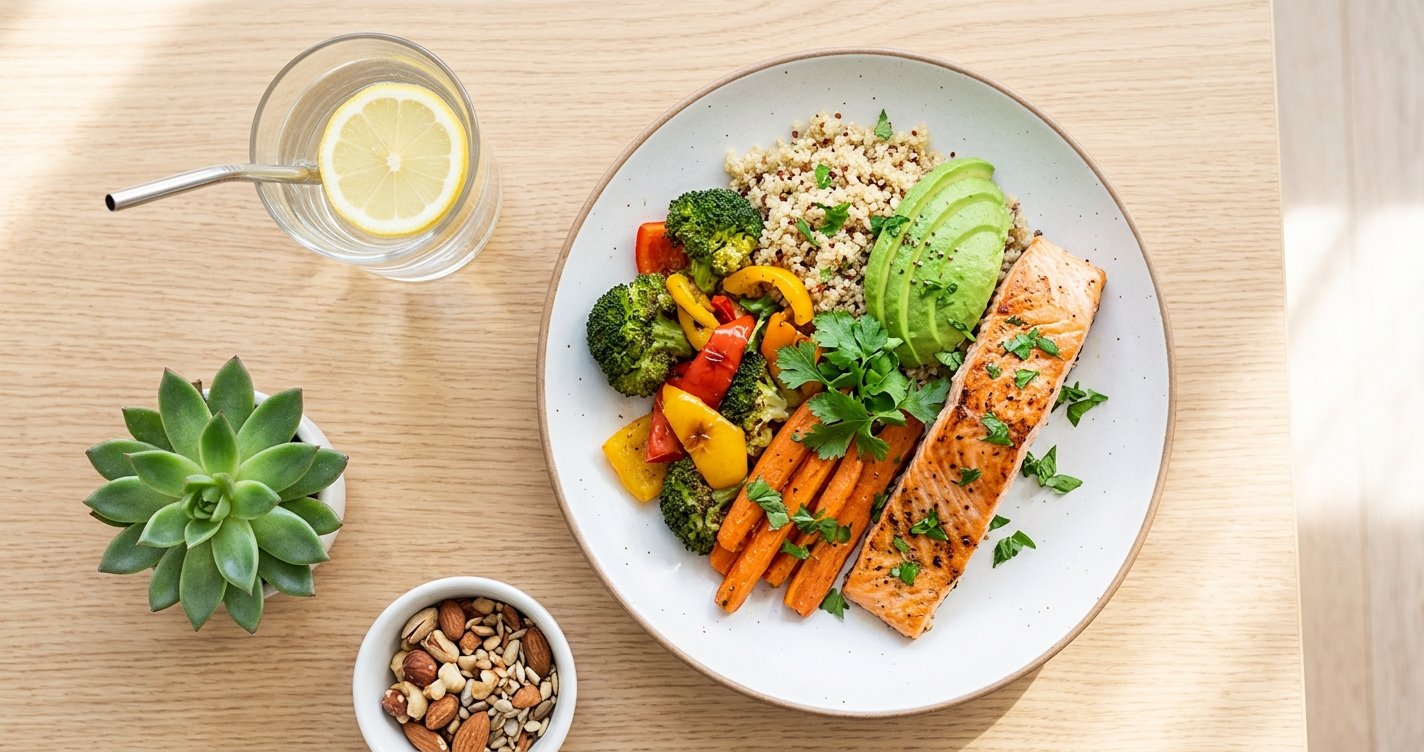
Sustainable nutrition, on the other hand, focuses on creating a slight, consistent calorie deficit through balanced eating. It acknowledges that your body needs adequate nutrients to function optimally. Instead of deprivation, we focus on abundance – filling your plate with nutrient-dense foods that keep you satisfied, energized, and support your metabolism. This approach promotes fat loss while preserving precious muscle mass, which is crucial for a healthy metabolism and a toned physique.
Protein Power: Your Ally for Satiety, Muscle Preservation, and Metabolism
If there's one nutrient that deserves a standing ovation in your fat loss journey, it's protein. This powerhouse macronutrient is essential for building and repairing tissues, but its benefits for fat loss are truly remarkable.
The Thermic Effect of Food (TEF)
Did you know your body burns calories just to digest food? This is called the Thermic Effect of Food (TEF), and protein has the highest TEF of all macronutrients. This means a significant portion of the calories from protein are used up in its digestion, giving you a slight metabolic advantage.
Satiety and Muscle Mass
Protein is incredibly satiating, meaning it keeps you feeling fuller for longer. This naturally reduces overall calorie intake by curbing cravings and preventing mindless snacking. Furthermore, when you're in a calorie deficit for fat loss, your body might try to break down muscle for energy. Adequate protein intake helps to protect your lean muscle mass, ensuring that the weight you lose is primarily fat, not muscle. More muscle means a higher resting metabolism, making it easier to maintain your weight in the long run.
Smart Protein Sources: Lean meats (chicken breast, turkey, lean beef), fish (salmon, tuna, cod), eggs, Greek yogurt, cottage cheese, lentils, beans, tofu, tempeh, and protein powders.
Fiber-Rich Foods: The Gut-Friendly Key to Lasting Fullness
Often overlooked, dietary fiber is a secret weapon in your fat loss arsenal. It's not just about keeping things 'regular' – fiber plays a crucial role in managing hunger and supporting overall health.
Beyond Regularity: Fiber's Role in Satiety
Fiber adds bulk to your meals without adding significant calories. When consumed, it expands in your stomach, signaling to your brain that you're full. This increased satiety helps you eat less naturally and prevents those mid-afternoon hunger pangs that lead to unhealthy snacking.
Stabilizing Blood Sugar
Soluble fiber, in particular, slows down the absorption of sugar into your bloodstream. This helps prevent rapid spikes and crashes in blood sugar, which can trigger intense cravings and energy slumps. Stable blood sugar means more sustained energy and fewer urges to reach for sugary treats.
Fiber-Rich Choices: Fruits (berries, apples, pears), vegetables (broccoli, spinach, Brussels sprouts), whole grains (oats, quinoa, brown rice), legumes (beans, lentils, chickpeas), nuts, and seeds.
Embrace Healthy Fats: Essential for Hormones, Satiety, and Overall Health
For decades, fat was demonized as the ultimate culprit behind weight gain. We now know that's a massive oversimplification. Healthy fats are absolutely vital for your body's functions, and they play a supportive role in sustainable fat loss.
Debunking the Fat Myth
Not all fats are created equal. While trans fats and excessive saturated fats can be detrimental to health, monounsaturated and polyunsaturated fats (especially omega-3s) are incredibly beneficial. They're essential for hormone production, nutrient absorption, brain health, and reducing inflammation.
The Right Kinds of Fats
Like protein and fiber, healthy fats contribute significantly to satiety. A meal containing healthy fats will keep you feeling full and satisfied, reducing the likelihood of overeating later. However, fats are calorie-dense, so portion control is key. A little goes a long way!
Sources of Healthy Fats: Avocados, nuts (almonds, walnuts), seeds (chia seeds, flax seeds, pumpkin seeds), olive oil, fatty fish (salmon, mackerel, sardines), and natural nut butters.
The Art of Mindful Eating and Portion Awareness
While what you eat is crucial, how you eat is just as important. Mindful eating and an awareness of portion sizes are powerful tools for sustainable fat loss that don't involve strict counting or restrictive rules.
Tuning Into Your Body's Cues
Mindful eating means paying attention to your body's hunger and fullness signals. Eat slowly, savor each bite, and notice the textures, flavors, and aromas of your food. Put your fork down between bites. Stop eating when you feel satisfied, not stuffed. This practice helps you truly enjoy your meals and avoids overconsumption.
Practical Portion Control Without Obsession
You don't need to weigh every gram of food. Learn to estimate portion sizes using your hand as a guide: a palm-sized portion of protein, a cupped hand of carbohydrates, two cupped hands of vegetables, and a thumb-sized portion of healthy fats. Using smaller plates can also trick your brain into thinking you have a fuller plate, helping you control portions naturally.
Hydration: Your Unsung Hero for Metabolism and Energy
Often overlooked, water is a fundamental component of your fat loss journey and overall well-being. Staying adequately hydrated supports numerous bodily functions that contribute to a healthy metabolism.
Water and Your Metabolism
Water is involved in every metabolic process in your body, including the breakdown of fat. Even mild dehydration can slow down your metabolism, making fat loss more challenging. Staying well-hydrated helps your body operate at peak efficiency.
The Fullness Factor
Sometimes, what feels like hunger is actually thirst. Drinking a glass of water before meals can help you feel fuller, potentially leading to a reduced calorie intake. It also helps transport nutrients, regulate body temperature, and keep your energy levels up, preventing fatigue that might lead to reaching for sugary pick-me-ups.
Hydration Tips: Carry a reusable water bottle, set reminders to drink water, infuse water with fruits or herbs for flavor, and choose water over sugary beverages.
Practical Strategies for Everyday Success
Knowledge is power, but application is what truly transforms. Here are some practical tips to weave these sustainable nutrition strategies into your daily life:
Meal Planning & Prep: Your Future Self Will Thank You
Spend a little time each week planning your meals and snacks. This reduces decision fatigue, prevents impulsive unhealthy choices, and ensures you have nutritious options readily available. Batch cooking proteins, chopping vegetables, and preparing healthy snacks in advance can be a game-changer.
Smart Snacking: Fueling Between Meals
If you need snacks, make them count. Opt for nutrient-dense options that combine protein and fiber to keep you full and energized. Think Greek yogurt with berries, an apple with a handful of almonds, veggie sticks with hummus, or hard-boiled eggs.
Navigating Social Situations & Eating Out
Don't let social events derail your progress. Look at menus online beforehand, choose lean protein and vegetable-rich dishes, and don't be afraid to ask for sauces on the side. Enjoy the company, practice mindful eating, and remember that one meal won't undo all your hard work.
Embrace the Journey: Consistency, Patience, and Self-Compassion
Sustainable fat loss isn't a race; it's a journey of consistent, conscious choices. There will be days when you veer off course, and that's perfectly okay. The key is to get back on track without self-judgment. Be patient with your body, celebrate small victories, and approach your nutrition with kindness and curiosity, not harsh criticism.
By focusing on protein, fiber, healthy fats, mindful eating, and hydration, you're not just losing weight; you're building a foundation for lifelong health and well-being. These strategies empower you to make informed decisions that support your body and mind, leading to lasting results and a healthier, happier you. You've got this!