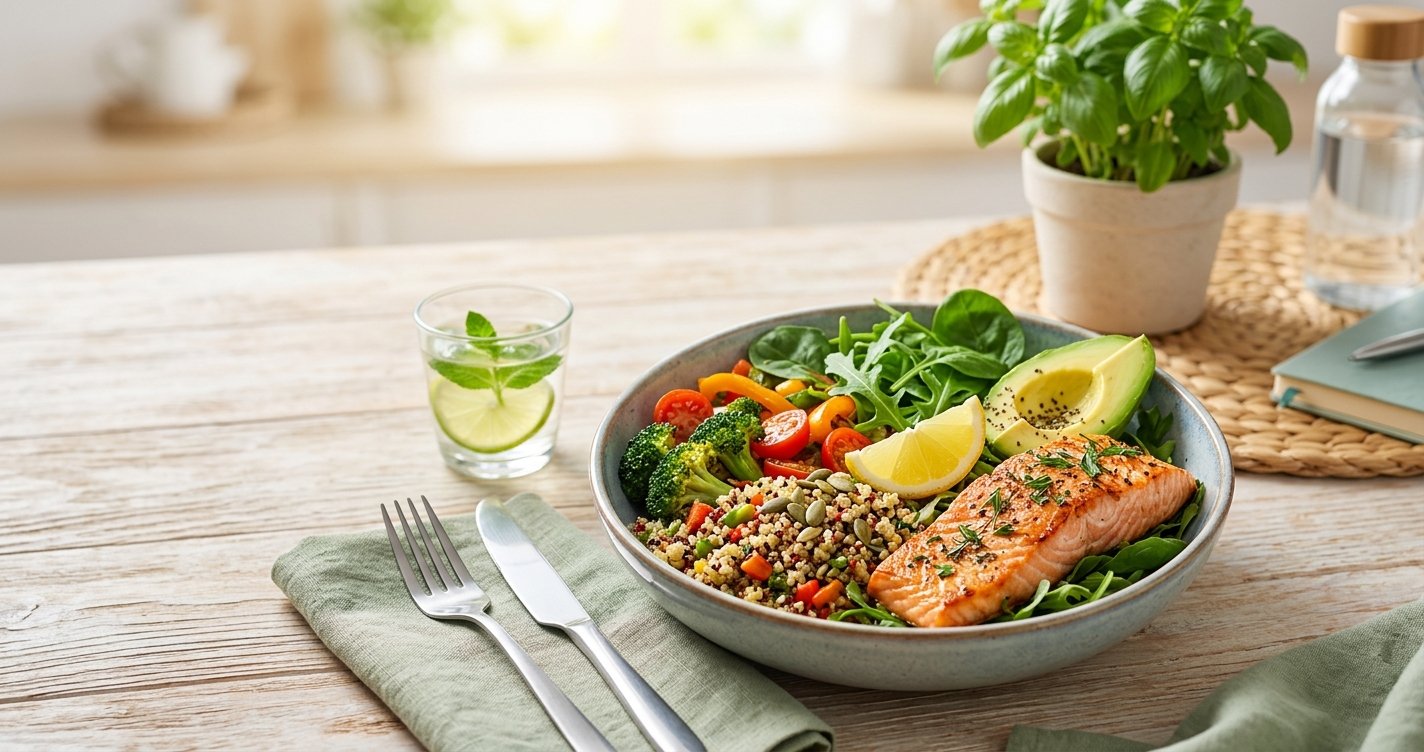
Are you tired of the endless cycle of crash diets, rapid weight loss, and then inevitably gaining it all back – and sometimes even more? You’re not alone. Many people embark on a fat loss journey with enthusiasm, only to be met with frustration when unsustainable methods lead to burnout and disappointment. But what if there was a better way? A way that focuses on nourishing your body, understanding your hunger, and building habits that last a lifetime?
Welcome to the world of sustainable nutrition for fat loss. This isn’t about deprivation or quick fixes; it's about empowering you with the knowledge and tools to transform your relationship with food, achieve your fat loss goals, and maintain them for good. We’ll dive into evidence-based strategies that respect your body and mind, helping you create a plate that truly serves your long-term health and happiness. this excellent wellness product
Why Crash Diets Fail: The Science of Sustainability
Before we build a better path, let's understand why the old one often crumbles. Crash diets, characterized by extreme calorie restriction or eliminating entire food groups, might offer quick initial results. However, they come with a hefty price tag for your metabolism and mental well-being:
- Metabolic Slowdown: Your body is smart. When it senses a drastic reduction in calories, it goes into 'survival mode,' slowing down your metabolism to conserve energy. This makes further fat loss incredibly difficult and sets you up for rapid weight regain once you resume normal eating.
- Nutrient Deficiencies: Restrictive diets often cut out essential vitamins, minerals, and macronutrients, leading to fatigue, poor concentration, and compromised immune function.
- Muscle Loss: When you restrict calories too severely, your body doesn't just burn fat; it also breaks down precious muscle tissue for energy. Muscle is metabolically active, meaning it burns more calories at rest. Losing muscle further hinders your fat loss efforts.
- Psychological Toll: Constant hunger, cravings, feelings of deprivation, and social isolation can lead to a toxic relationship with food, often resulting in binge eating and a cycle of guilt and shame.
Sustainable fat loss, on the other hand, prioritizes gradual, consistent progress by working with your body, not against it.
The Core Principle: Understanding Your Calorie Deficit
At the heart of all fat loss is a simple, undeniable truth: you must consume fewer calories than your body burns. This is known as a calorie deficit. While sounds simple, the art lies in creating this deficit in a way that is healthy, satisfying, and sustainable.
How to Calculate Your Calorie Needs (Simply)
Your body burns calories just to exist (Basal Metabolic Rate or BMR) and more through daily activities and exercise (Total Daily Energy Expenditure or TDEE). To create a deficit, you'll want to eat slightly less than your TDEE.
There are many online calculators that can estimate your TDEE based on your age, sex, weight, height, and activity level. Once you have this number, aim to create a moderate deficit of 300-500 calories per day. This typically allows for steady fat loss (around 1-2 pounds per week) without triggering your body’s extreme survival mechanisms or leaving you constantly starving.
The Importance of Tracking (Without Obsession)
Initially, tracking your food intake using an app or food diary can be incredibly insightful. It helps you understand:
- Where your calories are actually coming from.
- Your typical macronutrient breakdown (protein, carbs, fats).
- Hidden sources of calories (e.g., dressings, sugary drinks).
Think of it as a learning tool, not a life sentence. After a few weeks, you'll likely develop an intuitive understanding of portion sizes and calorie content, allowing you to transition to a more flexible approach without constant tracking.
Macronutrients Matter: Fueling Your Body for Fat Loss
While total calories are king, the composition of those calories – your macronutrients (protein, carbohydrates, and fats) – plays a crucial role in satiety, energy levels, and preserving muscle during fat loss.
Protein: Your Fat Loss MVP
If there's one macronutrient to prioritize for sustainable fat loss, it's protein. Here's why:
- Satiety: Protein is incredibly filling, helping you feel fuller for longer and reducing cravings.
- Muscle Preservation: Adequate protein intake is vital for preserving lean muscle mass while in a calorie deficit, which is key for maintaining a healthy metabolism.
- Thermic Effect of Food (TEF): Protein has a higher TEF than carbs or fats, meaning your body burns more calories digesting and metabolizing it.
Aim for: Roughly 0.7-1 gram of protein per pound of your target body weight daily. Spread your protein intake throughout the day (e.g., 20-40 grams per meal).
Great sources: Lean meats (chicken, turkey, lean beef), fish (salmon, cod, tuna), eggs, dairy (Greek yogurt, cottage cheese), legumes (lentils, beans), tofu, and protein powder.
Carbohydrates: Not the Enemy
Carbohydrates have been unfairly demonized, but they are your body’s primary energy source. The key is choosing the right kind and managing portions.
- Complex Carbs: Focus on whole, unprocessed carbohydrates rich in fiber. These provide sustained energy, help regulate blood sugar, and contribute to satiety.
- Simple Carbs: Limit highly processed, sugary carbs, which offer little nutritional value and can lead to energy crashes and increased cravings.
Great sources: Whole grains (oats, brown rice, quinoa, whole-wheat bread), fruits, and a wide variety of vegetables.
Healthy Fats: Essential for Everything
Fats are crucial for hormone production, nutrient absorption, brain health, and providing a sense of satiety. However, they are calorie-dense, so moderation is important.
- Unsaturated Fats: Prioritize monounsaturated and polyunsaturated fats, which are beneficial for heart health.
- Saturated Fats: Consume in moderation, primarily from whole food sources.
Great sources: Avocados, nuts (almonds, walnuts), seeds (chia, flax, hemp), olive oil, fatty fish (salmon, mackerel), and eggs.
Beyond Macros: Holistic Nutrition Habits for Success
While calories and macros form the scientific foundation, integrating holistic eating habits ensures your fat loss journey is enjoyable and sustainable.
Mindful Eating: Savoring Every Bite
In our fast-paced world, we often eat on autopilot. Mindful eating means paying attention to your food – its taste, texture, and smell – and tuning into your body's hunger and fullness cues. Slow down, put away distractions, and truly enjoy your meals. This can prevent overeating and foster a healthier relationship with food.
Hydration: The Unsung Hero
Water is vital for almost every bodily function, including metabolism. Drinking enough water can also help you feel fuller, sometimes preventing you from mistaking thirst for hunger. Aim for at least 8 glasses (2 liters) a day, and more if you’re active.
Fiber: Your Digestive Ally
Foods rich in fiber (fruits, vegetables, whole grains, legumes) are your best friends for fat loss. Fiber adds bulk to your meals without adding many calories, promoting satiety and supporting healthy digestion.
Meal Timing & Frequency: What the Science Says
The science largely suggests that total daily calorie and macronutrient intake are more important than meal timing or frequency for fat loss. Whether you prefer three square meals or five smaller ones, choose a pattern that fits your lifestyle and helps you manage hunger effectively. Consistency is key.
Practical Tips for Integrating Sustainable Nutrition into Your Life
Knowledge is power, but application is everything. Here are some actionable tips:
- Plan Ahead: Meal prepping or simply planning your meals and snacks for the week can prevent last-minute unhealthy choices.
- Smart Snacking: If you need snacks, choose nutrient-dense options like fruit, nuts, Greek yogurt, or vegetable sticks with hummus.
- Eat Out Wisely: When dining out, look for grilled or baked options, ask for dressings on the side, and don't be afraid to customize your meal.
- Learn to Cook: Mastering a few healthy recipes gives you control over ingredients and portion sizes.
- Patience and Consistency: Sustainable fat loss is a marathon, not a sprint. There will be good days and challenging days. Focus on consistency over perfection, and celebrate small victories.
- Listen to Your Body: Pay attention to how different foods make you feel. What gives you sustained energy? What leaves you feeling sluggish? This personalized feedback is invaluable.
Your Journey to Lasting Fat Loss Starts Now
Shifting from restrictive dieting to sustainable nutrition is a profound change that impacts not just your waistline, but your overall health, energy, and mood. By understanding the principles of a calorie deficit, prioritizing protein, embracing wholesome carbs and healthy fats, and practicing mindful eating, you are building a foundation for lasting fat loss and a vibrant, healthy life.
Remember, this is your journey. Start small, make gradual changes, and be kind to yourself along the way. Your body will thank you for choosing nourishment over deprivation. You have the power to master your plate and achieve the sustainable results you deserve!