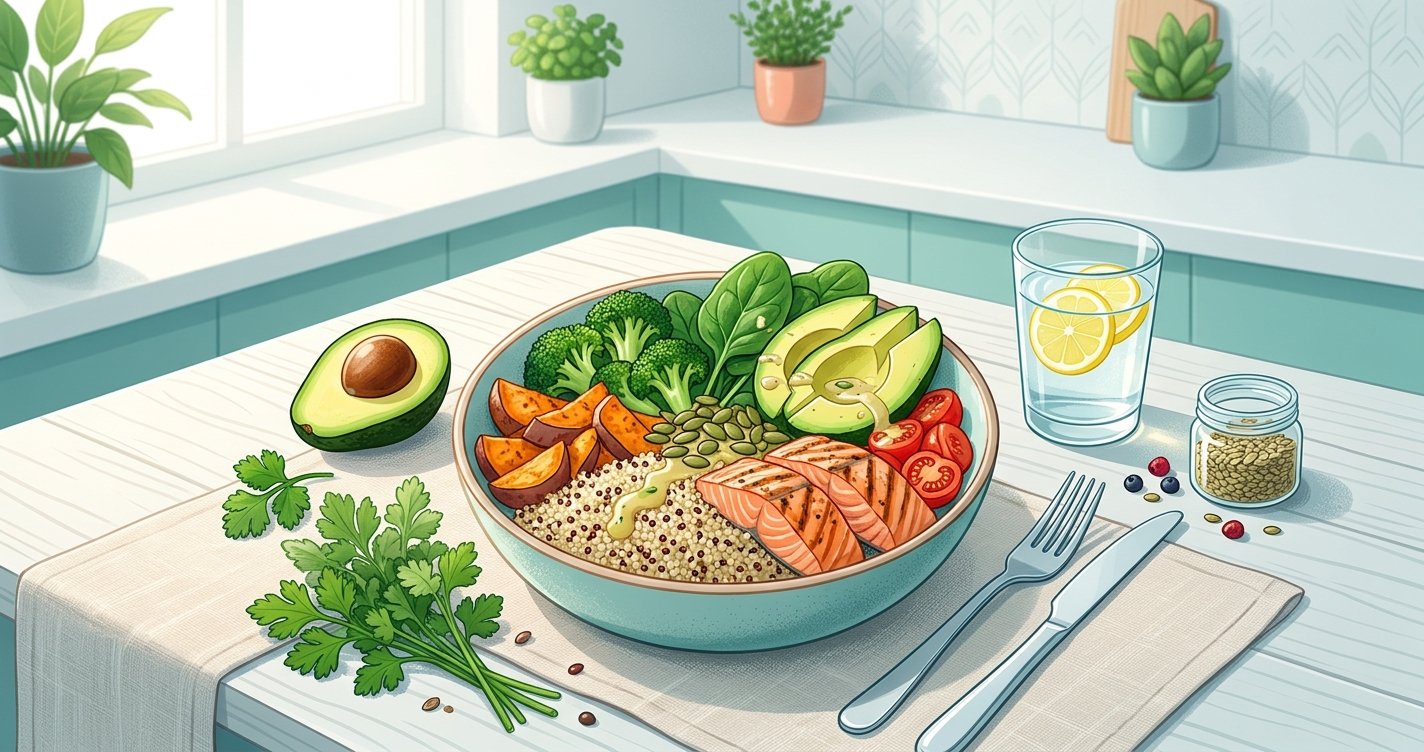
Master Your Plate: Sustainable Nutrition Strategies for Lasting Fat Loss
Are you tired of the yo-yo diet cycle, the crash diets that promise quick fixes but leave you feeling deprived and defeated? You’re not alone. The journey to fat loss can often feel overwhelming, filled with conflicting advice and unrealistic expectations. But what if we told you that achieving your fat loss goals doesn’t have to be a battle against hunger or a complete overhaul of your life? What if it could be a journey of understanding, nourishment, and sustainable change?
Welcome to a different approach. This isn't about restrictive eating or bland meals; it's about mastering your plate with smart, evidence-based nutrition strategies that not only help you lose fat but also improve your overall health and well-being. We’re going to dive into practical, friendly, and encouraging ways to fuel your body for lasting results, because true success isn't just about the number on the scale—it's about building habits you can maintain for life. Let's get started! this excellent wellness product
Understanding the Calorie Deficit: The Non-Scary Version
At its core, fat loss boils down to one fundamental principle: consuming fewer calories than your body expends. This is known as a calorie deficit. But don't let the term intimidate you! It's not about starvation; it's about creating a slight, manageable energy gap over time that encourages your body to tap into its fat stores for fuel.
What is a Calorie Deficit?
Think of your body as a car. To move, it needs fuel (calories). If you put in exactly the amount of fuel it needs for a journey, it runs perfectly. If you put in less fuel than it needs, it will eventually start using reserves. In our bodies, those reserves are stored fat. A modest deficit of 300-500 calories per day is often recommended for sustainable fat loss, as it's effective without being overly restrictive or causing extreme hunger.
Why Sustainability Matters More Than Speed
Many diets promise rapid weight loss, often through extreme calorie restriction. While you might see quick results initially, these approaches are rarely sustainable. They can lead to muscle loss, nutrient deficiencies, metabolic slowdown, and ultimately, rebound weight gain. Our goal here is to create habits that gently nudge your body towards fat loss, ensuring you feel good, have energy, and can stick with it for the long haul.
The Power of Protein: Your Fat Loss Ally
If there's one nutrient that deserves a spotlight in your fat loss journey, it's protein. This macronutrient is an absolute powerhouse, offering multiple benefits that make achieving and maintaining a healthy weight significantly easier.
How Protein Helps You Lose Fat
- Satiety Superstar: Protein is incredibly filling. Including adequate protein in your meals helps you feel fuller for longer, reducing cravings and the likelihood of overeating.
- Muscle Protector: When you're in a calorie deficit, your body can sometimes break down muscle tissue for energy. High protein intake helps preserve precious muscle mass, which is crucial because muscle burns more calories at rest than fat does.
- Thermic Effect of Food (TEF): Your body uses energy to digest, absorb, and metabolize food. Protein has a higher TEF than carbohydrates or fats, meaning you burn more calories just by eating it!
Easy Ways to Boost Your Protein Intake
Integrating more protein doesn't have to be complicated. Aim for a protein source at every meal and most snacks.
- Breakfast: Greek yogurt, eggs, protein powder in a smoothie, cottage cheese.
- Lunch & Dinner: Lean meats (chicken breast, turkey, lean beef), fish (salmon, tuna, cod), tofu, tempeh, lentils, beans.
- Snacks: A handful of nuts, edamame, protein bar, a small serving of jerky.
Carbohydrates and Fats: Friends, Not Foes
Often demonized in diet culture, carbohydrates and fats are essential macronutrients that play vital roles in your health and energy levels. The key isn't to eliminate them, but to choose wisely.
Choosing Smart Carbs for Sustained Energy
Carbohydrates are your body's primary energy source. The trick is to opt for complex carbohydrates, which are rich in fiber and digest slowly, providing sustained energy and preventing blood sugar spikes and crashes.
- Go for Whole Grains: Brown rice, quinoa, whole-wheat bread and pasta, oats.
- Embrace Vegetables: Non-starchy vegetables like broccoli, spinach, bell peppers, and leafy greens are packed with nutrients and fiber, with minimal calories.
- Include Fruits: Berries, apples, bananas, and oranges provide natural sugars, vitamins, and fiber.
The Importance of Healthy Fats
Fats are crucial for hormone production, nutrient absorption, and providing a sense of satiety. Just like with carbs, the type of fat matters significantly.
- Unsaturated Fats: Avocados, olive oil, nuts, seeds, fatty fish (salmon, mackerel). These are heart-healthy and contribute to overall well-being.
- Moderate Saturated Fats: Found in animal products and some plant oils (like coconut oil). Consume in moderation.
- Avoid Trans Fats: Often found in processed foods, these are detrimental to health and offer no benefits.
Fiber: The Unsung Hero of Satiety and Gut Health
If protein is the star, fiber is its equally important co-star. This plant-based nutrient is a game-changer for fat loss and digestive health, yet it's often overlooked.
Why Fiber is Your Best Friend for Fat Loss
- Fills You Up: Fiber adds bulk to your meals without adding many calories. It expands in your stomach, helping you feel full and satisfied, which naturally reduces your overall calorie intake.
- Slows Digestion: Soluble fiber forms a gel in your digestive system, slowing down the absorption of sugars and promoting stable blood sugar levels. This prevents energy crashes and subsequent cravings.
- Gut Health: Fiber feeds beneficial gut bacteria, leading to a healthier microbiome. A healthy gut is increasingly linked to better weight management and overall health.
High-Fiber Food Examples
- Legumes: Lentils, chickpeas, black beans.
- Whole Grains: Oats, barley, whole-wheat products.
- Fruits: Berries, apples (with skin), pears.
- Vegetables: Broccoli, Brussels sprouts, artichokes, leafy greens.
- Nuts & Seeds: Chia seeds, flax seeds, almonds.
Practical Strategies for Plate Mastery
Knowing what to eat is one thing; putting it into practice is another. Here are some actionable strategies to help you master your plate effortlessly.
Meal Planning and Preparation: Your Secret Weapon
Failing to plan is planning to fail, especially when it comes to nutrition. A little foresight can make a huge difference.
- Weekly Plan: Spend 15-30 minutes each week planning your meals and snacks.
- Grocery List: Create a detailed shopping list based on your meal plan to avoid impulse buys.
- Batch Cooking: Prepare larger portions of healthy staples like cooked grains, roasted vegetables, or lean protein sources to grab-and-go throughout the week.
Mindful Eating: Savoring Every Bite
It's not just what you eat, but how you eat it. Mindful eating means paying attention to your food, your body's hunger and fullness cues, and the experience of eating.
- Slow Down: Put your fork down between bites.
- Chew Thoroughly: Savor the flavors and textures.
- Listen to Your Body: Eat when you're hungry, stop when you're comfortably full, not stuffed.
- Minimize Distractions: Avoid eating in front of screens.
Hydration: Often Overlooked, Always Important
Water is vital for countless bodily functions, and it plays a significant role in fat loss.
- Boosts Metabolism: Staying hydrated helps your metabolism function optimally.
- Curbs Hunger: Sometimes, thirst can be mistaken for hunger. Drink a glass of water before reaching for a snack.
- Aids Digestion: Water helps fiber do its job effectively.
Beyond the Plate: Lifestyle Factors
While nutrition is paramount, other lifestyle elements significantly impact your ability to lose fat and keep it off.
Sleep and Stress: The Hidden Saboteurs
You might be eating perfectly, but if you're constantly stressed or sleep-deprived, fat loss can become an uphill battle.
- Sleep: Lack of sleep disrupts hunger hormones (ghrelin and leptin), making you feel hungrier and crave unhealthy foods. Aim for 7-9 hours of quality sleep per night.
- Stress: Chronic stress elevates cortisol levels, which can promote fat storage, especially around the belly. Incorporate stress-reducing activities like meditation, yoga, or spending time in nature.
Movement: Complementing Your Nutrition Efforts
While this post focuses on nutrition, remember that physical activity complements your eating habits beautifully. You don't need to become a gym fanatic; simply moving your body more throughout the day can make a difference. Aim for a mix of strength training (to build and preserve muscle) and cardiovascular exercise (for heart health and calorie burning).
Building Habits That Last: The Long Game
Sustainable fat loss isn't a race; it's a marathon. It's about building consistent, healthy habits that become second nature, rather than relying on willpower alone.
Small Changes, Big Impact
Don't try to change everything at once. Pick one or two strategies from this post and focus on implementing them consistently for a few weeks before adding more. For example, start by adding a protein source to every breakfast, or committing to drinking a glass of water before every meal.
Flexibility and Forgiveness
Life happens! There will be days when you don't eat perfectly, or you miss a planned meal. That's okay. Don't let one 'off' meal derail your entire journey. Acknowledge it, learn from it, and get back on track with your next meal. Consistency over perfection is the mantra for long-term success.
Listening to Your Body
Your body is incredibly intelligent. Learn to tune into its signals—true hunger, comfortable fullness, cravings, energy levels. This intuitive approach helps you make choices that genuinely serve your health and fat loss goals.
Your Journey to Sustainable Fat Loss Starts Now
You now have a powerful toolkit of sustainable nutrition strategies to master your plate and achieve lasting fat loss. Remember, this isn't about restriction; it's about empowerment through knowledge and making informed choices that nourish your body and support your goals.
Embrace protein, choose smart carbs and healthy fats, leverage the power of fiber, plan your meals, eat mindfully, and hydrate diligently. Combine these with adequate sleep and stress management, and you're well on your way to not just losing fat, but building a healthier, happier you. Be patient with yourself, celebrate small victories, and trust the process. You've got this!