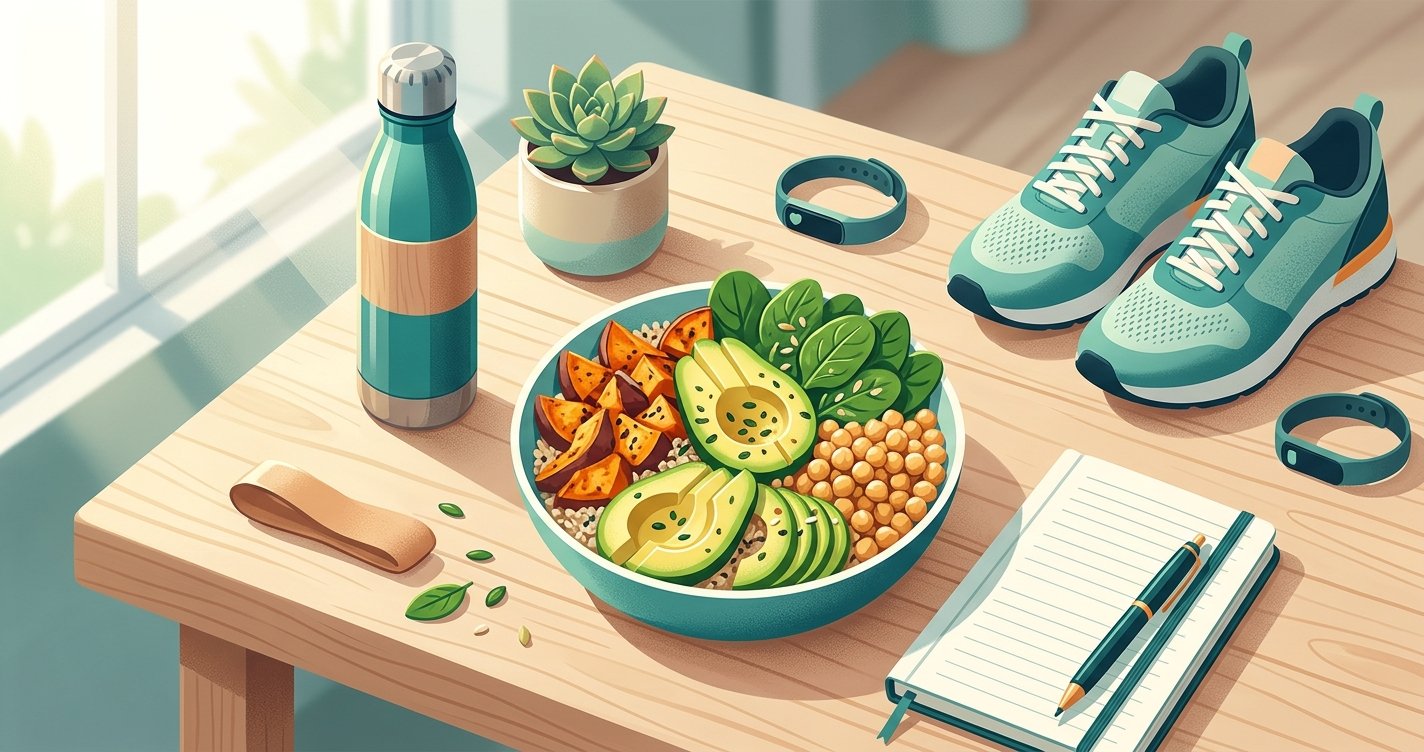
Are you tired of the confusing jargon and endless fads surrounding fat loss? Do you crave a clear, evidence-based path to achieving your body composition goals without feeling deprived or overwhelmed? You're in the right place. Today, we're cutting through the noise to focus on the single most important principle for sustainable fat loss: the calorie deficit. It might sound simple, but understanding and effectively implementing this concept is your key to long-term success. Forget magic pills or extreme diets; let's talk about the science-backed strategy that truly works.
The Foundation: What Exactly is a Calorie Deficit?
At its core, a calorie deficit is simply consuming fewer calories than your body expends over a period of time. Think of your body as a car. It needs fuel (calories) to run. If you put in less fuel than it needs to travel a certain distance, it will eventually tap into its reserves. For your body, those reserves are stored fat. this excellent wellness product
Every day, your body burns calories just to stay alive – this is your Basal Metabolic Rate (BMR). It includes functions like breathing, circulating blood, and maintaining body temperature. On top of that, you burn calories through physical activity, from walking to intense workouts, and even through digesting food (the thermic effect of food). The sum of all these is your Total Daily Energy Expenditure (TDEE). To lose fat, you need to consistently eat less than your TDEE.
Why the Calorie Deficit is Non-Negotiable (The Science Behind It)
The principle of energy balance – calories in versus calories out – is a fundamental law of thermodynamics as it applies to the human body. While various diets might seem to offer different mechanisms for fat loss (e.g., cutting carbs, eating only specific foods), their ultimate effectiveness for fat loss always boils down to creating a calorie deficit. Research consistently confirms this. For example, a landmark study published in the American Journal of Clinical Nutrition demonstrated that regardless of macronutrient composition, a calorie deficit is the primary driver of weight loss.
Without a calorie deficit, your body simply has no reason to tap into its fat stores. It's not about 'starving' yourself; it's about providing slightly less energy than your body needs, prompting it to use its stored energy (fat) for fuel. This isn't a quick fix, but a sustainable, predictable method endorsed by scientific consensus.
Calculating Your Personal Calorie Deficit: A Practical Approach
So, how do you find your magic number? While precise calculations can be complex, you can get a very good estimate:
- Estimate Your TDEE: Online TDEE calculators are a great starting point. They'll ask for your age, sex, height, weight, and activity level. Be honest about your activity level – most people overestimate.
- Create Your Deficit: Once you have your estimated TDEE, aim for a deficit of 300-500 calories per day for sustainable fat loss. For example, if your TDEE is 2500 calories, aiming for 2000-2200 calories per day would put you in a good deficit.
- Track and Adjust: Use a food tracking app for a few days to get an idea of your current intake. Don't aim for perfection immediately, just awareness. Monitor your progress (e.g., scale weight, measurements, how clothes fit) over 2-4 weeks. If you're consistently losing 0.5-1% of your body weight per week, your deficit is likely spot on. If not, adjust your intake by another 100-200 calories.
Remember, these are estimates. Your metabolism is unique and can adapt. The key is consistent tracking and patient adjustment.
Eating for a Deficit: Smart Food Choices, Not Starvation
A calorie deficit doesn't mean eating boring, bland food or feeling constantly hungry. It means making smart, nutrient-dense choices that keep you satiated and energized:
- Prioritize Protein: Protein is crucial. It's highly satiating, helps preserve muscle mass during fat loss, and has a higher thermic effect (meaning your body burns more calories digesting it). Aim for 0.7-1 gram of protein per pound of body weight. Think lean meats, poultry, fish, eggs, dairy, and legumes.
- Embrace Fiber: Found in fruits, vegetables, whole grains, and legumes, fiber adds bulk to your meals, promoting fullness and aiding digestion without adding many calories.
- Include Healthy Fats: Don't cut out fats entirely! They're essential for hormone production and nutrient absorption. Focus on unsaturated fats from avocados, nuts, seeds, and olive oil, but remember they are calorie-dense, so portion control is key.
- Hydrate: Drinking plenty of water can help with satiety and overall bodily functions. Sometimes, thirst is mistaken for hunger.
Focus on whole, unprocessed foods. They naturally contain more nutrients and fiber, making it easier to stay within your calorie targets while feeling satisfied.
Exercise and Your Deficit: Enhancing Fat Loss, Not Just Burning Calories
While a calorie deficit is king for fat loss, exercise plays a vital supporting role. It helps you burn more calories, increasing your TDEE and allowing for a slightly larger food intake within your deficit, or accelerating fat loss at the same intake. More importantly, exercise, particularly strength training, helps preserve muscle mass. Losing muscle along with fat can slow down your metabolism and make it harder to maintain your results long-term.
Aim for a balanced approach:
- Strength Training (2-4 times per week): Lift weights to build or maintain muscle. This is critical for shaping your body and boosting your metabolism.
- Cardio (2-5 times per week): Incorporate activities you enjoy, whether it's walking, running, cycling, or swimming. Cardio directly contributes to your calorie expenditure.
- NEAT (Non-Exercise Activity Thermogenesis): Increase your daily movement! Take the stairs, park further away, stand more often. These small movements add up significantly.
Remember, you can't out-train a bad diet. Exercise enhances fat loss, but the calorie deficit does the heavy lifting.
Beyond the Numbers: Mindset, Sleep, and Stress for Sustainable Success
Fat loss isn't just about calories and macros; your lifestyle habits play a huge role:
- Mindful Eating: Pay attention to your hunger and fullness cues. Eat slowly, savor your food, and avoid distractions. This can prevent overeating and help you connect with your body's signals.
- Prioritize Sleep: Lack of sleep can disrupt hunger hormones (ghrelin and leptin), making you feel hungrier and crave unhealthy foods. Aim for 7-9 hours of quality sleep per night.
- Manage Stress: Chronic stress elevates cortisol levels, which can promote fat storage, particularly around the midsection. Find healthy ways to manage stress, such as meditation, yoga, spending time in nature, or hobbies.
- Patience and Consistency: Fat loss is a marathon, not a sprint. There will be good days and bad days. Focus on consistency over perfection.
Troubleshooting Your Deficit: When Progress Stalls
It's common for progress to slow or stall. Don't panic! Here's what to consider:
- Are You Truly in a Deficit? Re-evaluate your food tracking. Are you accurately logging everything, including sauces, drinks, and 'tastes'? Many people unconsciously underestimate their intake.
- Activity Level Changes: As you lose weight, your TDEE naturally decreases because there's less mass to move. You might need to slightly reduce calories or increase activity.
- Metabolic Adaptation: Your body is smart and can adapt to prolonged deficits by reducing energy expenditure. A short 'diet break' (eating at maintenance for 1-2 weeks) can sometimes help reset hormones and boost motivation.
- Non-Scale Victories: Sometimes the scale doesn't budge, but your body composition is changing (losing fat, gaining muscle). Look at measurements, how clothes fit, and progress photos.
Making It Stick: Long-Term Strategies for Maintaining Your Results
Achieving your fat loss goal is fantastic, but maintaining it is the real victory. The same principles that got you there will keep you there. You'll transition from a calorie deficit to 'maintenance calories,' which means eating at your new TDEE. This requires continued awareness of your food choices and consistent healthy habits.
Focus on building a lifestyle you can sustain indefinitely, one that prioritizes nutrient-dense foods, regular physical activity, adequate sleep, and effective stress management. This isn't a temporary diet; it's a permanent upgrade to a healthier, happier you.
Mastering the calorie deficit isn't about deprivation; it's about empowerment. It's understanding the fundamental science of fat loss and applying it intelligently and sustainably. By focusing on smart food choices, incorporating effective exercise, and nurturing your overall well-being, you can achieve lasting fat loss and build the healthy, vibrant life you deserve. Start today, and trust the process – your body will thank you!