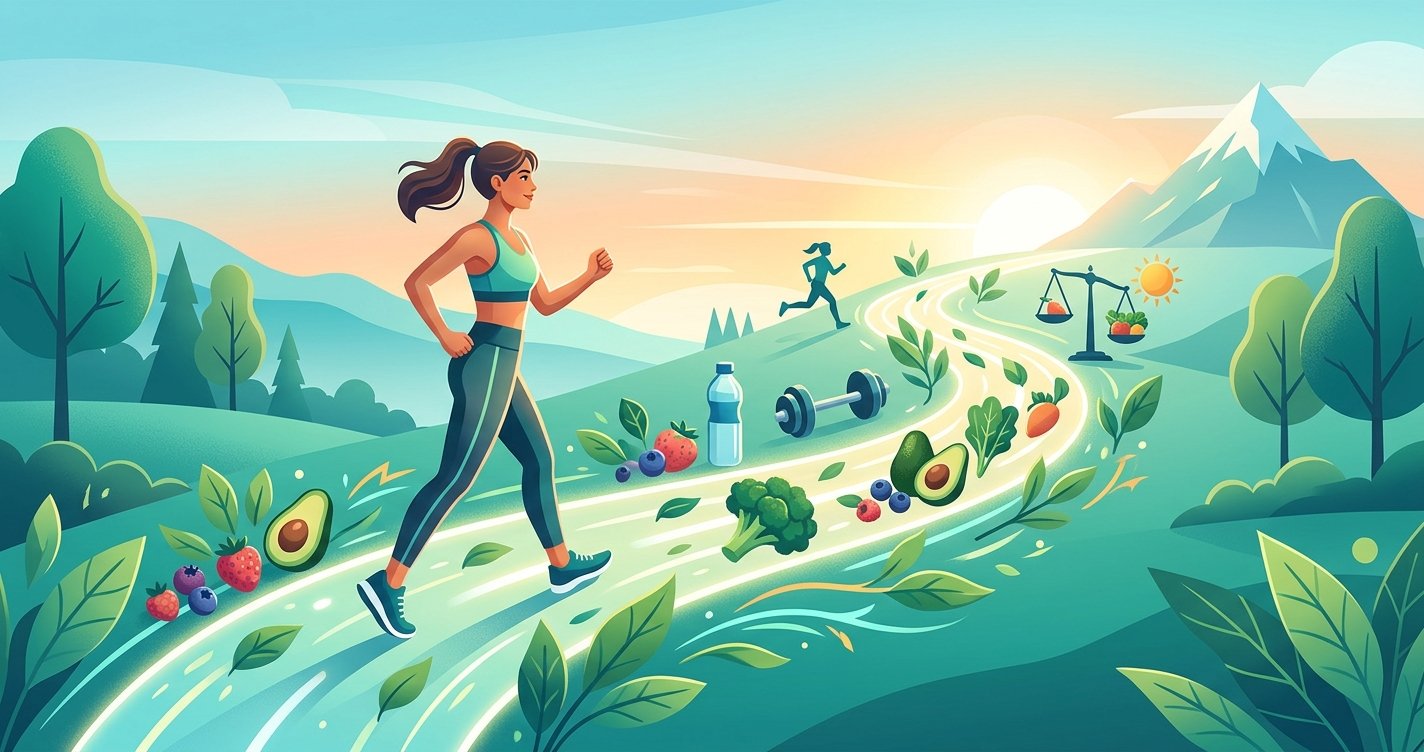
Introduction: Demystifying the Calorie Deficit for Sustainable Fat Loss
Are you tired of quick-fix diets that promise the world but deliver only temporary results and frustration? You’re not alone. The journey to fat loss can often feel overwhelming, riddled with confusing advice and conflicting information. But what if we told you there’s one fundamental principle that underpins almost every successful fat loss story, a principle that, when understood and applied correctly, can pave your way to lasting change? We’re talking about the calorie deficit.
Forget deprivation and extreme measures. This guide is about empowering you with the knowledge to create a sustainable, healthy calorie deficit that works for you, not against you. We’ll break down the science, offer practical strategies, and equip you with the tools to achieve your fat loss goals in a way that’s enjoyable, evidence-based, and most importantly, maintainable for the long haul. Let’s embark on this journey to a healthier, happier you, armed with clarity and confidence! this excellent wellness product
Understanding the Basics: What Exactly is a Calorie Deficit?
At its core, fat loss boils down to a simple equation: energy in versus energy out. A calorie deficit occurs when you consistently consume fewer calories (energy in) than your body expends (energy out) over a period of time. When this happens, your body is forced to tap into its stored energy reserves – primarily body fat – to make up the difference, leading to fat loss.
Think of your body like a car. If you put less fuel in than you burn during your drive, you'll eventually start running on fumes, or in your body's case, stored fat. This isn't about starvation; it's about creating a slight, consistent energy imbalance that encourages your body to use its existing fat stores efficiently. It's the undisputed, scientific bedrock of all fat loss.
Calculating Your Personalized Calorie Deficit (Without the Stress!)
While the principle is simple, figuring out your specific numbers can seem daunting. Don't worry, it's more straightforward than you think! The first step is to estimate your Total Daily Energy Expenditure (TDEE) – the total number of calories your body burns each day, including your Basal Metabolic Rate (BMR), physical activity, and digestion.
- Online Calculators: A great starting point. Search for 'TDEE calculator' and input your age, sex, height, weight, and activity level. Remember, these are estimates, but they provide a solid foundation.
- Creating the Deficit: Once you have your estimated TDEE, aim to subtract 300-500 calories from that number. A 500-calorie daily deficit typically leads to approximately one pound of fat loss per week, as one pound of fat contains roughly 3,500 calories.
Key Considerations for Your Calculation:
- Start Small: Don't jump to an aggressive deficit. A smaller, more manageable deficit (e.g., 300 calories) is easier to sustain and reduces the risk of muscle loss and metabolic slowdown.
- Listen to Your Body: Your TDEE is an estimate. Pay attention to your hunger levels, energy, and how your clothes fit. Adjust your intake slightly up or down based on your progress and how you feel.
- Consistency is King: One day of perfect eating won't make a difference, just as one day of overeating won't ruin your progress. It's the consistent daily effort that adds up over time.
Fueling Your Body Smartly: Nutritional Strategies for a Sustainable Deficit
Creating a calorie deficit doesn't mean eating less of everything; it means eating smarter. Focusing on nutrient-dense foods will keep you feeling full, energized, and satisfied, making your deficit much easier to maintain.
Prioritize Protein: The Satiety Superstar
Protein is your best friend during fat loss. It's highly satiating, meaning it keeps you feeling full for longer, reducing cravings. It also has a higher thermic effect (your body burns more calories digesting protein than carbs or fats) and, crucially, helps preserve lean muscle mass while you're losing fat. Aim for 0.7-1 gram of protein per pound of your target body weight.
Embrace Fiber: Your Gut's Best Ally
Found in fruits, vegetables, whole grains, and legumes, fiber adds bulk to your meals without adding many calories. It slows digestion, promoting fullness, and supports a healthy gut microbiome, which is increasingly linked to weight management. Fill half your plate with colorful veggies!
Don't Fear Healthy Fats: Essential for Health
While fats are calorie-dense, healthy fats (from avocados, nuts, seeds, olive oil, fatty fish) are crucial for hormone production, nutrient absorption, and overall health. They also contribute to satiety. Just be mindful of portion sizes due to their calorie density.
Hydration is Key: Often Mistaken for Hunger
Sometimes, what you perceive as hunger is actually thirst. Drinking plenty of water throughout the day can help manage appetite, boost metabolism, and keep your body functioning optimally. Aim for at least 8 glasses of water daily, and more if you're active.
Mindful Eating: Connect with Your Food
Slow down, savor your meals, and pay attention to your body's hunger and fullness cues. Eating mindfully can help you recognize when you're truly satisfied, preventing overeating and making your calorie deficit more effortless.
Beyond the Plate: The Role of Movement and Lifestyle
While nutrition is paramount, incorporating physical activity and managing lifestyle factors significantly boosts your fat loss efforts and overall well-being.
Strength Training: Build and Preserve Muscle
Lifting weights isn't just for bodybuilders! Strength training helps you build and preserve muscle mass, which is metabolically active, meaning it burns more calories at rest than fat tissue. This is vital for maintaining a healthy metabolism during a deficit and achieving a toned physique.
Cardio (NEAT & Structured): Boost Calorie Expenditure
From brisk walks (Non-Exercise Activity Thermogenesis - NEAT) to more structured cardio sessions, increasing your movement helps burn additional calories, contributing to your deficit. Find activities you enjoy – hiking, dancing, cycling – to make it sustainable.
Sleep & Stress Management: Hormonal Harmony
Lack of sleep and chronic stress can wreak havoc on your hormones, specifically cortisol (stress hormone), ghrelin (hunger hormone), and leptin (satiety hormone). Prioritizing 7-9 hours of quality sleep and finding healthy ways to manage stress (meditation, hobbies, nature) can significantly impact your ability to lose fat and maintain it.
Consistency Over Perfection: The Long Game
Fat loss is a journey, not a race. There will be days you slip up, and that's perfectly normal. The key is to get back on track with your next meal or workout. Focus on long-term consistency rather than short-term perfection. Small, consistent efforts yield significant results over time.
Common Pitfalls and How to Avoid Them
Even with the best intentions, it's easy to stumble. Being aware of common challenges can help you navigate them successfully:
- Too Aggressive a Deficit: Cutting calories too drastically can lead to extreme hunger, muscle loss, nutrient deficiencies, and metabolic slowdown, making it unsustainable.
- Neglecting Micronutrients: Focusing solely on calorie numbers can lead to overlooking essential vitamins and minerals. Prioritize whole, unprocessed foods.
- All-or-Nothing Mindset: One 'bad' meal doesn't ruin your progress. Learn to forgive yourself and get back on track immediately.
- Ignoring Hunger/Satiety Cues: Dieting shouldn't mean ignoring your body. Learn to differentiate between true hunger and emotional eating.
- Lack of Patience: Sustainable fat loss takes time. Celebrate small victories and focus on the process, not just the outcome.
Making it Last: Sustaining Your Results
Achieving your fat loss goal is a fantastic accomplishment, but the real victory lies in maintaining it. This involves a gradual transition from a deficit to a maintenance phase, where you eat roughly your TDEE while continuing to prioritize healthy habits.
- Gradual Increase: Slowly reintroduce calories (e.g., 100-200 calories per week) until you find your new maintenance level.
- Continued Healthy Habits: Keep strength training, stay active, prioritize protein and fiber, and manage stress and sleep. These aren't just for fat loss; they're for life.
- Listen to Your Body: Your body's needs can change. Stay attuned to your energy levels, hunger, and weight to make necessary adjustments.
- Celebrate Non-Scale Victories: Focus on improved energy, better sleep, stronger lifts, enhanced mood, and how your clothes fit. These are powerful indicators of progress beyond the number on the scale.
Conclusion: Your Journey to a Healthier You
The calorie deficit might be the scientific backbone of fat loss, but your journey is about so much more than just numbers. It’s about building a healthier relationship with food, understanding your body, and creating sustainable habits that empower you for life. By embracing the principles of a smart, sustainable calorie deficit, prioritizing nutrient-dense foods, incorporating regular movement, and nurturing your well-being, you're not just losing fat – you're building a stronger, more vibrant, and more confident you.
Remember, progress isn't linear, but with consistency, patience, and a positive mindset, you absolutely have what it takes to achieve lasting fat loss and enjoy the incredible benefits that come with it. Start today, one smart choice at a time!