Feeling frustrated by endless diet trends and promises of quick fixes for fat loss? You’re not alone. The world of weight management can seem overwhelming, filled with conflicting advice and complicated rules. But what if we told you there’s one fundamental principle that underpins all successful, sustainable fat loss? It’s called the calorie deficit, and understanding it is your key to unlocking lasting results.
Forget the fads and the expensive supplements. This guide will demystify the calorie deficit, showing you exactly what it is, why it’s non-negotiable for fat loss, and — most importantly — how to implement it safely, effectively, and sustainably into your life. We’ll provide evidence-based strategies and encouraging advice to help you build habits that stick, transforming your body and your relationship with food. this excellent wellness product
What Exactly Is a Calorie Deficit? The Energy Balance Equation
At its core, fat loss boils down to a simple concept: energy balance. Your body requires a certain amount of energy (measured in calories) to perform all its functions, from breathing and thinking to exercising and digesting. This is your Total Daily Energy Expenditure (TDEE).
A calorie deficit occurs when you consistently consume fewer calories than your body expends over a given period. When this happens, your body, needing energy, turns to its stored reserves – primarily body fat – to make up the difference. Think of it like a bank account: if you spend more than you deposit, your balance goes down. With calories, if you burn more than you consume, your fat stores decrease.
This isn't about starving yourself; it's about smart, intentional energy management. Understanding your TDEE and creating a moderate deficit is the foundation upon which all successful fat loss is built. Without it, even the most rigorous exercise routine or "clean" diet won't lead to significant fat loss.
Why “More Than Just Calories” Still Comes Back to Calories
You've likely heard that fat loss is about "more than just calories." And to a certain extent, that's true! Factors like hormones, sleep quality, stress levels, and the nutritional quality of your food all play a crucial role in your overall health and can significantly influence your ability to adhere to a calorie deficit. For example:
- Hormones: Hormones like ghrelin (hunger hormone) and leptin (satiety hormone) are influenced by sleep and food choices. Imbalances can make you feel hungrier or less satisfied, making a deficit harder to maintain.
- Sleep: Poor sleep can increase ghrelin and decrease leptin, leading to increased cravings and a tendency to overeat.
- Stress: Chronic stress can elevate cortisol, which can sometimes promote fat storage, particularly around the midsection, and also lead to emotional eating.
- Food Quality: Eating nutrient-dense, whole foods tends to be more satiating than highly processed foods, making it easier to feel full on fewer calories.
However, it's vital to understand that while these factors can make maintaining a calorie deficit easier or harder, they don't negate the fundamental principle. You can optimize your hormones, sleep well, manage stress, and eat incredibly healthy, but if you're still consuming more calories than you burn, you simply won't lose fat. These elements act as powerful allies (or adversaries) in your journey to achieve and sustain that crucial calorie deficit.
How to Calculate Your Calorie Deficit for Success
Ready to get practical? Here’s how to estimate your calorie needs and set up a sustainable deficit:
-
Estimate Your Total Daily Energy Expenditure (TDEE):
Your TDEE is the total number of calories your body burns in a day. It accounts for your Basal Metabolic Rate (BMR – calories burned at rest), the thermic effect of food (calories burned digesting), and your activity level (calories burned through exercise and daily movement). You can find many reliable TDEE calculators online (e.g., using Mifflin-St Jeor or Harris-Benedict equations). Input your age, sex, weight, height, and activity level to get an estimate.
Example: A 35-year-old active female might have a TDEE of 2200 calories.
-
Determine Your Safe & Sustainable Deficit:
For sustainable fat loss, a moderate deficit is key. A common recommendation is to aim for a deficit of 300-500 calories below your TDEE. This typically results in a healthy fat loss of 1-2 pounds per week (since roughly 3500 calories equals one pound of fat).
- TDEE of 2200 calories - 500 calorie deficit = 1700 calories per day target.
Why not a bigger deficit? Extreme calorie restriction can lead to muscle loss (which you want to preserve for a healthy metabolism), nutrient deficiencies, increased hunger, fatigue, and can even slow down your metabolism in the long run. It's also incredibly difficult to stick to, often leading to rebound weight gain. Consistency over intensity is the winning strategy here.
Remember, these are estimates. Your body is unique, and you’ll need to monitor your progress and adjust your intake as needed. If you’re not losing weight after a couple of weeks, you might need to slightly reduce your calories further, or increase your activity.
Practical Strategies to Create a Sustainable Calorie Deficit
Knowing your calorie target is one thing; consistently hitting it is another. Here are practical, actionable strategies to help you create and maintain your deficit without feeling deprived:
Smart Food Choices: Focus on Nutrient Density
Prioritize whole, unprocessed foods. They are generally more satiating and nutrient-dense, meaning you get more bang for your calorie buck.
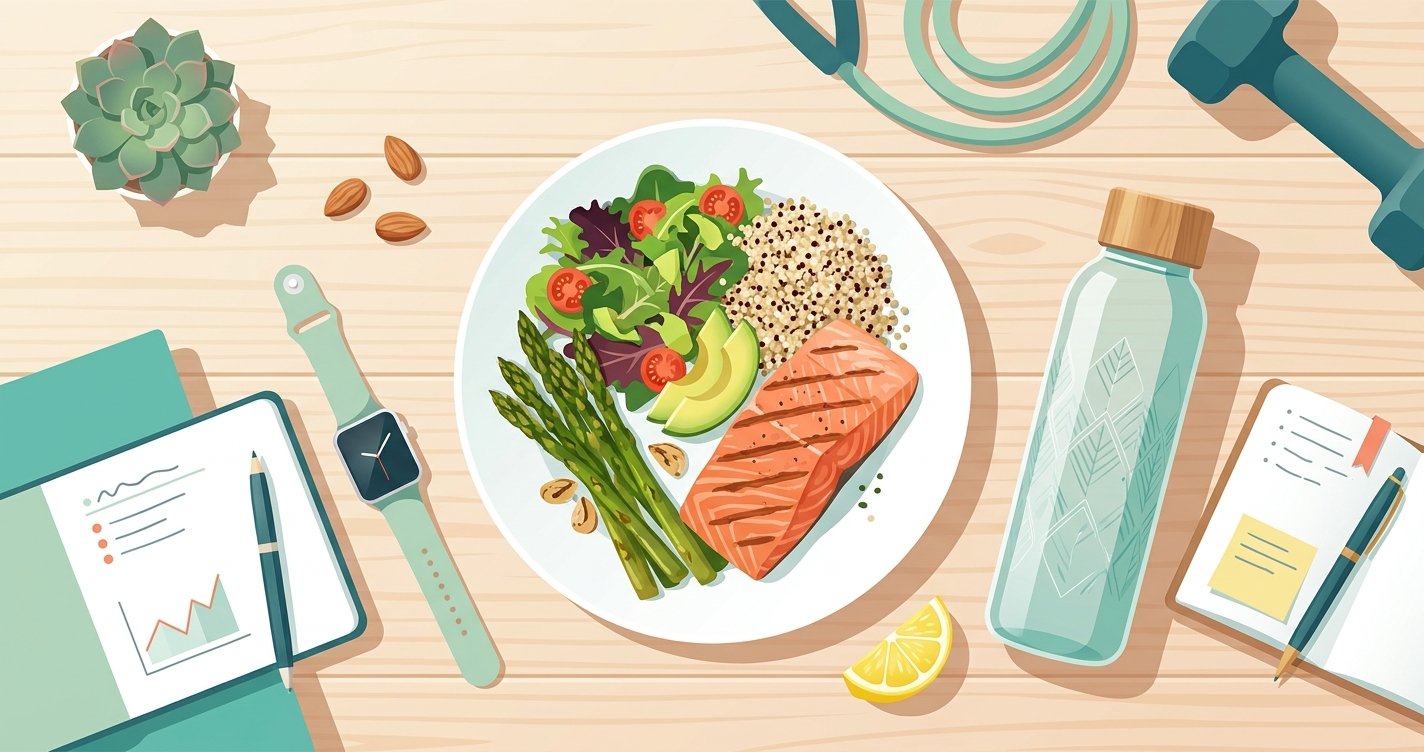
- Lean Protein: Chicken breast, fish, eggs, Greek yogurt, lentils, tofu. Protein is incredibly filling and helps preserve muscle mass during fat loss. Aim for 20-30g per meal.
- High-Fiber Foods: Vegetables (especially leafy greens), fruits, whole grains (oats, quinoa), legumes. Fiber adds bulk to your meals, promoting satiety and aiding digestion.
- Healthy Fats: Avocados, nuts, seeds, olive oil. While calorie-dense, healthy fats are essential for hormone function and satiety. Consume in moderation.
Portion Control & Mindful Eating
Even healthy foods have calories. Understanding appropriate portion sizes is crucial.
- Measure & Track (Initially): For a few days or weeks, consider using a food scale or measuring cups. This helps you learn what accurate portions look like.
- Eat Slowly: Give your body time to register fullness signals. Put your fork down between bites.
- Listen to Your Body: Eat when genuinely hungry, stop when comfortably full, not stuffed.
- Avoid Mindless Snacking: Are you truly hungry, or just bored, stressed, or thirsty?
Hydration: The Unsung Hero
Often, thirst is mistaken for hunger. Drinking enough water throughout the day can significantly help manage appetite.
- Drink a glass of water before each meal.
- Keep a water bottle handy and sip throughout the day.
Incorporating Movement (Beyond Just “Burning Calories”)
While diet is paramount for fat loss, exercise plays a vital supporting role:
- Strength Training: Builds and preserves muscle mass, which is metabolically active (burns more calories at rest). This is crucial for long-term fat loss and a healthy metabolism.
- Cardio: Contributes to your overall calorie expenditure and improves cardiovascular health.
- NEAT (Non-Exercise Activity Thermogenesis): Increase your daily movement – take the stairs, park further away, stand more, walk during calls. These small movements add up!
Troubleshooting Common Calorie Deficit Challenges
The journey isn't always linear. Here's how to navigate common hurdles:
Hunger Pangs
If you're constantly ravenous, your deficit might be too aggressive, or your food choices aren't optimal. Focus on:
- More protein and fiber at each meal.
- "Volume eating" – filling up on low-calorie, high-volume foods like vegetables and broth-based soups.
- Ensuring adequate hydration.
Weight Loss Plateaus
It's normal for progress to slow or stop. Your body adapts!
- Re-evaluate: Re-calculate your TDEE based on your new, lighter weight. Your calorie needs will have decreased.
- Check Consistency: Are you truly sticking to your calorie target every day? Hidden calories add up.
- Increase NEAT: Boost your non-exercise movement.
- Consider a "Diet Break": A short period (1-2 weeks) at maintenance calories can sometimes help mentally and physiologically, before returning to your deficit.
Social Situations & Eating Out
Don't let social events derail your progress. Plan ahead:
- Look at Menus Online: Choose lighter options in advance.
- Prioritize Protein & Veggies: Ask for sauces on the side.
- Mindful Indulgence: Enjoy a small treat without guilt, then get back on track with your next meal.
The Long Game: Why Sustainability Trumps Speed
The biggest secret to lasting fat loss isn't a restrictive diet or a punishing workout routine; it's consistency and sustainability. A calorie deficit is a tool, not a life sentence. By creating a moderate, manageable deficit using smart food choices and increased activity, you're not just losing weight; you're building habits that will serve you for life.
Focus on progress, not perfection. There will be days you go over your calories, and that's okay. The key is to learn from it and get back on track without self-blame. Embrace the journey of understanding your body and nourishing it wisely. This isn't just about fitting into a smaller size; it's about feeling energized, confident, and living a healthier, happier life.
Ready to take control? Start by estimating your TDEE today, set a realistic calorie target, and begin implementing these strategies. Your sustainable fat loss journey starts now!