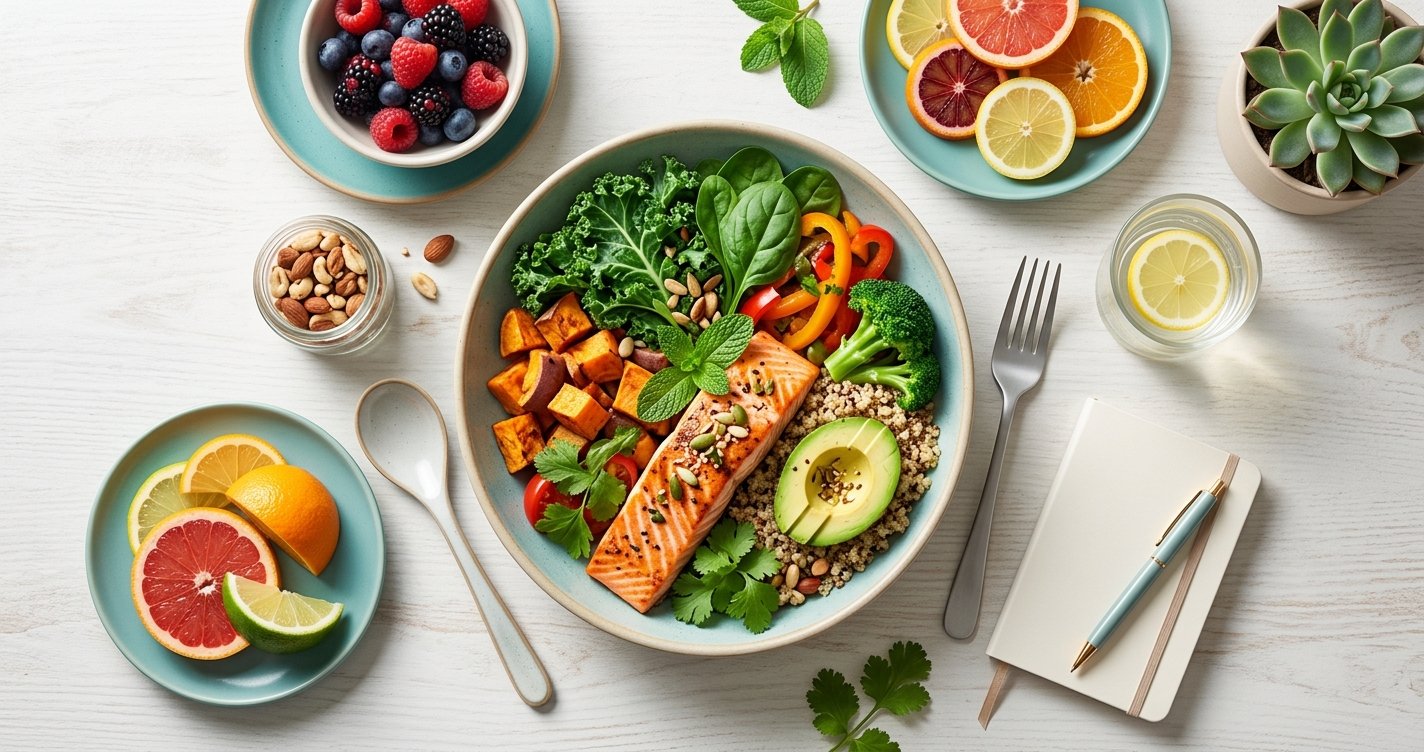
Are you tired of the endless cycle of restrictive diets, quick fixes, and disappointing results when it comes to fat loss? You're not alone. Many people get caught in the trap of believing that extreme measures are the only way to achieve their goals, only to find themselves frustrated, hungry, and often regaining any lost weight.
But what if there was a better way? A sustainable, evidence-based approach that helps you shed fat, feel energized, and build healthier habits for life? Good news – there is! It all starts with mastering your plate. In this comprehensive guide, we'll dive into practical, friendly, and science-backed nutrition strategies that will empower you to achieve lasting fat loss without sacrificing your well-being or your love for food. this excellent wellness product
Understanding the Core Principle: The Calorie Deficit (Without Starving Yourself!)
Let's get one fundamental truth out of the way: to lose fat, you need to be in a calorie deficit. This means consuming slightly fewer calories than your body burns each day. Think of your body as a car: if you put in less fuel than you use, the fuel tank (your fat stores) will gradually empty.
However, the key word here is "slightly." Many fad diets advocate for extreme calorie restriction, which can be detrimental. It slows your metabolism, leads to nutrient deficiencies, causes muscle loss (not just fat!), and is utterly unsustainable. Our goal is a moderate, consistent deficit that allows your body to tap into its fat stores for energy while still providing ample nutrients and keeping you feeling satisfied. You don't need to starve yourself; you need to eat smart.
The Power of Protein: Your Fat Loss Ally
If there's one macronutrient that deserves a spotlight in your fat loss journey, it's protein. Protein is an absolute game-changer for several reasons:
- Satiety Superstar: Protein is incredibly filling. Including adequate protein in your meals helps you feel fuller for longer, reducing cravings and preventing overeating.
- Muscle Preservation: When you're in a calorie deficit, your body can sometimes break down muscle tissue for energy in addition to fat. Protein helps to protect your precious muscle mass, which is crucial because muscle burns more calories at rest than fat does. More muscle = a more efficient metabolism!
- Thermic Effect of Food (TEF): Your body uses energy to digest, absorb, and metabolize food. Protein has the highest TEF compared to carbohydrates and fats, meaning you burn more calories just by eating it!
Aim to include a good source of lean protein with every meal. Excellent sources include chicken breast, turkey, lean beef, fish, eggs, Greek yogurt, cottage cheese, tofu, lentils, and protein powder.
Don't Fear the Carbs & Fats: Choosing Wisely
In the world of dieting, carbohydrates and fats often get a bad rap. But the truth is, both are vital for your health and can absolutely be part of a successful fat loss strategy – it's all about making smart choices.
Carbohydrates: Fuel Your Body, Choose Your Source
Carbs are your body's primary energy source. Completely cutting them out can leave you feeling sluggish, irritable, and can even hinder exercise performance. The trick is to prioritize complex carbohydrates and fiber-rich sources over refined ones:
- Choose: Whole grains (oats, brown rice, quinoa, whole-wheat bread), fruits, vegetables, legumes. These provide sustained energy, essential vitamins, minerals, and fiber.
- Limit: Sugary drinks, white bread, pastries, highly processed snacks. These offer quick energy spikes followed by crashes and often lack nutritional value.
Fats: Essential for Health, Mind Your Portions
Dietary fats are crucial for hormone production, nutrient absorption, and providing a sense of satiety. They also make food taste great! However, fats are calorie-dense, so portion control is key.
- Choose: Healthy unsaturated fats found in avocados, nuts, seeds, olive oil, and fatty fish (like salmon).
- Limit: Excessive amounts of saturated and trans fats found in highly processed foods, fried items, and some red meats.
Remember, a balanced plate includes all macronutrients in appropriate amounts. It’s about quality over quantity and balance over restriction.
Fiber: The Unsung Hero of Satiety and Gut Health
While we touched on fiber with carbohydrates, it deserves its own moment in the spotlight for fat loss. Fiber is a type of carbohydrate that your body can't digest. It passes through your system relatively intact, offering a host of benefits:
- Enhanced Satiety: Fiber adds bulk to your meals, helping you feel full and satisfied without adding extra calories. This is incredibly helpful for managing hunger.
- Stable Blood Sugar: Soluble fiber helps slow down the absorption of sugar, preventing sharp spikes and crashes in blood sugar levels, which can lead to cravings.
- Digestive Health: Both soluble and insoluble fiber are vital for a healthy digestive system, promoting regularity and supporting a thriving gut microbiome. A healthy gut is increasingly linked to overall metabolic health.
Load up on fiber through fruits, vegetables, legumes, whole grains, nuts, and seeds. Aim for a variety of sources to get both soluble and insoluble fiber.
Hydration: Simple Yet Profound
Often overlooked, adequate hydration plays a significant role in your fat loss journey. Water is involved in almost every bodily function, including metabolism. Sometimes, your body can confuse thirst signals with hunger signals, leading you to eat when all you really need is a glass of water.
- Boosts Metabolism: Some research suggests that drinking water can temporarily increase your metabolic rate.
- Reduces Appetite: Drinking a glass of water before meals can help you feel fuller, potentially leading to eating less.
- Supports Exercise Performance: Staying hydrated is crucial for optimal physical performance, allowing you to get the most out of your workouts.
Keep a water bottle handy and aim for at least 8 glasses (around 2 liters) of water a day, more if you're active or in a hot climate.
Mindful Eating: Beyond the Macros
While understanding macros and calories is important, how you eat is just as crucial as what you eat. Mindful eating is about paying attention to your food and your body's signals.
- Listen to Your Body: Eat when you're hungry, stop when you're comfortably full. It sounds simple, but many of us eat out of habit, boredom, or stress.
- Slow Down: Put your fork down between bites. Savor the flavors, textures, and aromas. It takes time for your stomach to signal to your brain that you're full.
- Eliminate Distractions: Avoid eating in front of the TV, computer, or phone. Focus solely on your meal.
- Understand Emotional Eating: Identify triggers for emotional eating and develop alternative coping mechanisms that don't involve food.
Mindful eating can transform your relationship with food, leading to greater satisfaction and better control over your intake.
Practical Tips for Meal Planning & Prep
Knowledge is power, but application is key. Here are some practical steps to put these nutrition strategies into action:
- Plan Your Meals: Take 30 minutes each week to plan your meals and snacks. This reduces decision fatigue and impulse eating.
- Smart Grocery Shopping: Create a shopping list based on your meal plan and stick to it. Shop the perimeter of the grocery store first (fresh produce, lean proteins, dairy).
- Batch Cook: Prepare large quantities of staples like cooked chicken, roasted vegetables, or quinoa at the beginning of the week. This makes assembling quick, healthy meals effortless.
- Portion Control: Understand appropriate portion sizes. Using smaller plates or measuring cups can help initially until you develop a good eye for it.
- Don't Strive for Perfection, Strive for Consistency: One "off" meal or day won't derail your progress. Get back on track with your next meal. Consistency over time yields results.
Your Journey to Lasting Fat Loss Starts Now
Sustainable fat loss isn't about deprivation; it's about empowerment through knowledge and consistent, healthy choices. By focusing on a moderate calorie deficit, prioritizing protein and fiber, choosing quality carbohydrates and fats, staying hydrated, and practicing mindful eating, you're not just losing weight – you're building a healthier, stronger, and more vibrant you.
Embrace this journey with patience, self-compassion, and the understanding that small, consistent steps lead to profound, lasting change. You've got this!