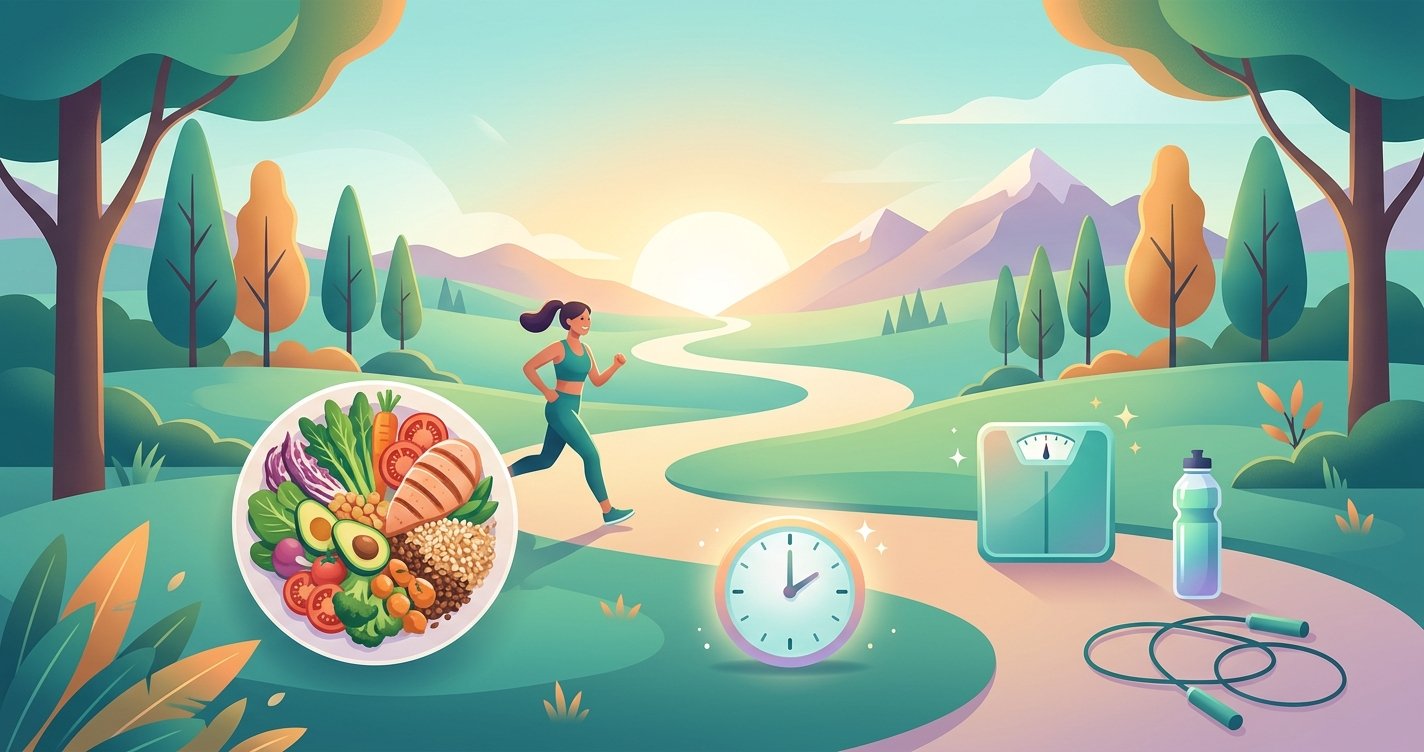
Tired of the weight loss roller coaster? You know, those diets that promise quick fixes, only to leave you feeling deprived, frustrated, and often, back where you started? If you've been searching for a way to achieve lasting fat loss without resorting to extreme measures, you've come to the right place. The real secret isn't a magic pill or a celebrity detox; it's a fundamental principle called the calorie deficit, approached with a crucial emphasis on sustainability.
Forget the unsustainable crash diets. Our goal here is to empower you with the knowledge and tools to create a calorie deficit that works for you, not against you. We'll explore what it truly means, how to find your personal sweet spot, and most importantly, how to integrate it into a lifestyle that promotes health, happiness, and long-term success. Ready to unlock the power of sustainable fat loss? this excellent wellness product
What Exactly is a Calorie Deficit? (And Why It Matters)
At its core, a calorie deficit is simple math: you consume fewer calories than your body expends. Think of your body as a car and calories as fuel. If you put in less fuel than you burn driving, your car has to tap into its reserve tank. For your body, that 'reserve tank' is stored fat. When you consistently create this deficit, your body is forced to use its fat stores for energy, leading to fat loss.
This isn't just a theory; it's the undisputed scientific foundation of fat loss. Whether you follow a low-carb, low-fat, or Mediterranean diet, any successful fat loss plan ultimately works by creating a calorie deficit. The beauty of understanding this principle is that it gives you control. Instead of blindly following rules, you learn the 'why' behind dietary choices, allowing you to make informed decisions that fit your life.
Finding YOUR Sweet Spot: How to Calculate Your Sustainable Deficit
While the concept is simple, finding the right deficit for your body is key to sustainability. Too large a deficit can lead to muscle loss, nutrient deficiencies, constant hunger, fatigue, and a slowed metabolism. Too small, and you won't see progress.
Here's how to approach it:
- Estimate Your Total Daily Energy Expenditure (TDEE): This is the total number of calories your body burns in a day, including your Basal Metabolic Rate (BMR - calories burned at rest) and calories burned through activity. Online TDEE calculators are a good starting point, but remember they provide estimates.
- Create a Moderate Deficit: For sustainable fat loss, aim for a deficit of 250-500 calories per day below your TDEE.
- A 250-calorie deficit typically leads to about 0.5 lbs (0.23 kg) of fat loss per week.
- A 500-calorie deficit typically leads to about 1 lb (0.45 kg) of fat loss per week.
Why moderate? This allows you to lose fat while preserving muscle, maintaining energy levels, and getting adequate nutrition. It's a rate that's achievable and doesn't require extreme deprivation, making it far more likely you'll stick with it long-term. Start with a smaller deficit and adjust based on your progress and how you feel.
Beyond the Numbers: Fueling Your Body for Fat Loss Success
While calories are king for a deficit, the quality of those calories dictates how you feel, your energy levels, and your ability to stick to the plan. This is where nutrient-dense foods come into play.
The Power of Protein
Protein is your best friend when it comes to fat loss. It's incredibly satiating, meaning it keeps you feeling fuller for longer, which naturally helps reduce overall calorie intake. Furthermore, adequate protein intake is crucial for preserving muscle mass during a calorie deficit. Muscle burns more calories at rest than fat, so maintaining it is vital for a healthy metabolism. Aim for 0.7-1 gram of protein per pound of body weight.
Smart Carbs & Healthy Fats
Don't demonize carbs or fats! They both play essential roles. Choose complex carbohydrates like whole grains, fruits, and vegetables for sustained energy, fiber, and essential nutrients. Healthy fats from sources like avocados, nuts, seeds, and olive oil are crucial for hormone production, nutrient absorption, and also contribute to satiety.
Fiber is Your Friend
Found in fruits, vegetables, whole grains, and legumes, fiber adds bulk to your meals without adding many calories. It aids digestion, helps regulate blood sugar, and significantly boosts feelings of fullness, making it easier to manage your deficit.
The Unsung Heroes: Lifestyle Factors Supporting Your Deficit
Fat loss isn't just about what you eat; it's a holistic process. These lifestyle factors are often overlooked but are absolutely critical for sustainable success.
Strength Training: Build Muscle, Boost Metabolism
While cardio burns calories in the moment, strength training is a long-term investment. Building and maintaining muscle mass not only shapes your body but also increases your resting metabolic rate, meaning you burn more calories even when you're not exercising. Aim for 2-3 full-body strength training sessions per week.
Prioritize Sleep: The Fat Loss Game Changer
Lack of sleep messes with your hormones. Specifically, it can increase ghrelin (the hunger hormone) and decrease leptin (the satiety hormone), making you feel hungrier and less satisfied. It also raises cortisol (the stress hormone), which can promote fat storage, especially around the belly. Aim for 7-9 hours of quality sleep per night.
Stress Management: Taming Cortisol's Impact
Chronic stress, like lack of sleep, elevates cortisol levels. This can lead to increased appetite, cravings for unhealthy foods, and stubborn fat retention. Find healthy ways to manage stress, whether it's meditation, yoga, spending time in nature, or hobbies you enjoy.
Hydration: Simple Yet Powerful
Drinking enough water supports metabolism, aids digestion, and can even help you feel fuller. Sometimes, what feels like hunger is actually thirst. Keep a water bottle handy throughout the day!
Mindset Matters: Sustaining Your Journey
Your mental approach to fat loss is just as important as your physical actions.
Patience and Consistency
Fat loss is a marathon, not a sprint. There will be plateaus, fluctuations, and days where you feel less motivated. The key is to be patient with yourself and stay consistent with your efforts over time. Small, consistent actions yield big results.
Listening to Your Body
Learn to distinguish between true hunger and emotional cravings. Pay attention to how different foods make you feel, your energy levels, and your satiety cues. This self-awareness is invaluable for long-term success.
Flexibility, Not Perfection
The 80/20 rule is a great guideline: aim to eat nutritiously 80% of the time, allowing for flexibility and occasional treats 20% of the time. This prevents feelings of deprivation and makes your eating plan sustainable and enjoyable.
Tracking Progress Beyond the Scale
The scale doesn't tell the whole story. Body composition changes, clothes fitting better, increased strength, improved energy, and better mood are all vital indicators of progress. Take measurements, progress photos, and note how you feel.
Common Pitfalls to Avoid
- Too Extreme a Deficit: Leads to muscle loss, metabolic slowdown, and burnout.
- Ignoring Nutrient Quality: Empty calories leave you hungry and undernourished.
- Neglecting Strength Training: You'll lose weight, but potentially muscle, leaving you 'skinny fat.'
- Underestimating Hidden Calories: Sauces, dressings, sugary drinks, and snacking can quickly add up.
- Expecting Linear Progress: Weight loss is rarely a straight line. Embrace the natural fluctuations.
Embrace Your Sustainable Fat Loss Journey
Mastering the sustainable calorie deficit isn't about restriction; it's about empowerment. It's understanding your body, fueling it wisely, and integrating healthy habits that support your goals. By focusing on a moderate, consistent deficit, prioritizing nutrient-dense foods, incorporating strength training, and managing your lifestyle factors, you're not just losing weight; you're building a healthier, stronger, and more vibrant you.
This journey takes time, patience, and self-compassion. Start small, make gradual changes, and celebrate every step of your progress. You have the power to create lasting change and finally achieve the sustainable fat loss you've been searching for. Here's to your success!