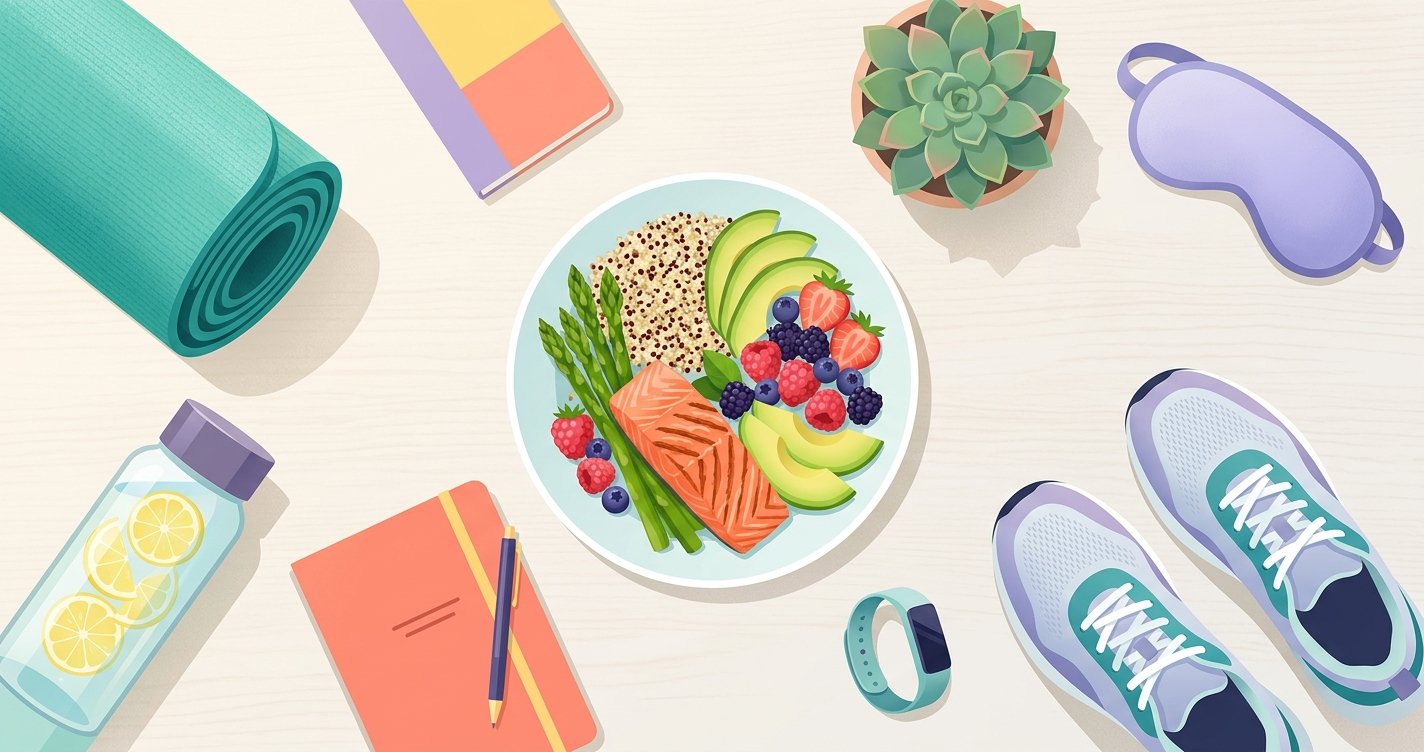
Mastering Sustainable Fat Loss: Beyond Just Calories for Lasting Results
The journey to fat loss can often feel like navigating a maze of conflicting advice. From restrictive diets promising quick fixes to grueling workout routines, it's easy to get lost in the pursuit of a leaner physique. But what if we told you that truly sustainable fat loss goes far beyond simply counting calories? It's about nurturing your body, understanding its needs, and implementing holistic lifestyle changes that foster long-term health and well-being, not just a temporary drop on the scale.
In this comprehensive guide, we'll dive deep into the science-backed strategies that empower you to achieve lasting fat loss. We'll explore how nutrition, movement, sleep, stress management, and mindset all intertwine to create a powerful synergy for success. Forget the quick fixes; let's build a foundation for a healthier, happier you. this excellent wellness product
The Calorie Conundrum: Why "Eat Less, Move More" Isn't Enough
At its core, fat loss does involve creating a calorie deficit – consuming fewer calories than your body expends. This fundamental principle of energy balance is undeniable. However, the simplistic mantra of "eat less, move more" often overlooks the intricate biological and psychological factors that influence our ability to sustain this deficit and maintain results.
Understanding the Energy Balance Equation (Briefly)
Your body needs energy (calories) to function. When you consume more than you burn, the excess is stored, primarily as fat. When you consume less, your body taps into stored energy, leading to fat loss. Simple enough, right? But the *quality* of those calories, when you eat them, and how your body processes them, profoundly impacts your hormones, satiety, and metabolism.
The Pitfalls of Extreme Restriction
Drastically cutting calories can lead to rapid initial weight loss, but it often comes at a cost. Your metabolism can slow down as your body adapts to conserve energy (known as metabolic adaptation), muscle mass can be lost, and crucial nutrient deficiencies may arise. Furthermore, extreme restriction is mentally exhausting, often leading to rebound eating, cravings, and an unhealthy relationship with food. Sustainable fat loss prioritizes gradual, manageable changes that your body and mind can adapt to positively.
Fueling Your Body Right: The Power of Macronutrients
Not all calories are created equal. The macronutrients – protein, fats, and carbohydrates – each play unique roles in satiety, energy, and muscle preservation, all critical for effective fat loss.
Protein: Your Fat Loss MVP
Protein is arguably the most crucial macronutrient for fat loss. It has a high thermic effect of food (TEF), meaning your body burns more calories digesting it than it does for fats or carbs. Protein is also incredibly satiating, helping you feel fuller for longer and reducing overall calorie intake. Most importantly, adequate protein intake helps preserve lean muscle mass during a calorie deficit, which is vital because muscle is metabolically active, burning more calories at rest than fat.
- Aim for: 0.7-1 gram of protein per pound of body weight (or 1.6-2.2 grams per kg).
- Sources: Lean meats, poultry, fish, eggs, dairy, legumes, tofu, tempeh.
Healthy Fats: Essential for Hormones and Satiety
Despite their high caloric density, healthy fats are essential for overall health, hormone production, and nutrient absorption. They also contribute significantly to satiety, helping to keep hunger pangs at bay. The key is moderation and choosing the right types of fats.
- Aim for: 20-30% of your daily calories from healthy fats.
- Sources: Avocados, nuts, seeds, olive oil, fatty fish (salmon, mackerel).
Smart Carbs: Fuel for Performance, Not Fat Storage
Carbohydrates are your body's primary energy source. The trick for fat loss is choosing complex, fiber-rich carbohydrates over refined sugars and starches. Complex carbs provide sustained energy, help regulate blood sugar, and contribute fiber, all while keeping you feeling full.
- Focus on: Whole grains, fruits, vegetables, legumes.
- Limit: Sugary drinks, white bread, pastries.
The Unsung Heroes: Micronutrients, Fiber, and Hydration
While macronutrients take center stage, micronutrients, fiber, and water are the often-overlooked supporting cast crucial for optimal fat loss and overall health.
Vitamins and Minerals: The Body's Operating System
Vitamins and minerals are vital co-factors in countless bodily processes, including metabolism, energy production, and hormone regulation. Deficiencies can impair these functions, making fat loss more challenging. A varied diet rich in whole foods usually provides what you need.
Fiber: Keeping You Full and Healthy
Fiber, found in plant foods, is a game-changer for fat loss. It adds bulk to your meals without adding many calories, promoting satiety and aiding digestion. Soluble fiber can also help stabilize blood sugar levels and improve gut health, which is increasingly linked to weight management.
Water: The Often-Forgotten Fat Loss Ally
Staying adequately hydrated is fundamental. Water helps transport nutrients, regulate body temperature, and can even temporarily boost your metabolism. Sometimes, what feels like hunger is actually thirst. Drinking water before meals can also help reduce overall calorie intake.
Movement That Matters: Beyond Just Burning Calories
Exercise is not just about burning calories during the workout; it's about building a stronger, more efficient metabolism and improving overall body composition.
Strength Training: Build Muscle, Boost Metabolism
Strength training is arguably the most impactful exercise for sustainable fat loss. Building and maintaining muscle mass directly increases your resting metabolic rate (RMR), meaning you burn more calories even when you're not exercising. It also improves body shape and density, leading to a more toned physique.
Cardio: For Heart Health and Calorie Burn
Cardiovascular exercise is excellent for heart health, endurance, and burning calories during the activity. Incorporate a mix of steady-state cardio (like brisk walking or cycling) and high-intensity interval training (HIIT) for varied benefits.
NEAT: The Power of Everyday Movement
Non-Exercise Activity Thermogenesis (NEAT) refers to the calories burned through everyday activities that aren't formal exercise – walking, fidgeting, taking the stairs, cleaning. Boosting your NEAT can significantly contribute to your daily calorie expenditure without feeling like a workout.
Lifestyle Pillars for Lasting Success: Sleep, Stress, and Mindset
True sustainable fat loss isn't just about what you eat and how you move; it's deeply intertwined with your overall lifestyle and mental well-being.
The Crucial Role of Sleep
Lack of sleep can wreak havoc on your fat loss efforts. It disrupts hunger-regulating hormones (ghrelin and leptin), leading to increased appetite and cravings for unhealthy foods. Poor sleep also impairs insulin sensitivity and reduces your energy for workouts. Aim for 7-9 hours of quality sleep per night.
Managing Stress for Hormonal Balance
Chronic stress elevates cortisol levels, a hormone that can promote fat storage, particularly around the abdomen. Finding effective stress-management techniques – meditation, yoga, hobbies, spending time in nature – is crucial for both mental health and fat loss.
Cultivating a Positive Mindset and Patience
Fat loss is a marathon, not a sprint. Adopt a growth mindset, focusing on progress over perfection. Be patient with yourself, celebrate small victories, and view setbacks as learning opportunities rather than failures. A positive outlook is a powerful tool for consistency.
Practical Strategies for Sustainable Change
Translating knowledge into action requires practical, actionable steps that fit into your daily life.
Meal Prepping and Planning
Planning your meals and snacks in advance can prevent impulsive, unhealthy choices. Dedicate time each week to prepare healthy ingredients or entire meals. This ensures you always have nutritious options readily available.
Mindful Eating Practices
Pay attention to your hunger and fullness cues. Eat slowly, savor your food, and eliminate distractions. Mindful eating helps you recognize when you're truly satisfied, preventing overeating and fostering a healthier relationship with food.
Tracking Progress (Beyond the Scale)
While the scale can be a tool, it doesn't tell the whole story. Track other metrics like body measurements, how your clothes fit, strength gains in the gym, energy levels, and overall mood. These non-scale victories provide valuable motivation and a more accurate picture of your progress.
Embracing the Journey: Consistency Over Perfection
Sustainable fat loss isn't about rigid adherence to a perfect plan; it's about consistent effort and making healthier choices most of the time. There will be days when you slip up, when you eat something 'unplanned,' or miss a workout. That's perfectly normal. The key is to acknowledge it, learn from it, and get back on track with your next meal or next opportunity to move.
Remember, this is your journey to better health and a stronger, more vibrant you. By focusing on nourishing your body with quality foods, moving regularly, prioritizing sleep, managing stress, and cultivating a positive mindset, you're not just losing fat – you're building a foundation for a lifetime of well-being. Be kind to yourself, stay consistent, and celebrate every step of your incredible progress!