Mastering Sustainable Fat Loss: The Essential Duo of Calorie Deficit and Protein Power
Are you tired of the yo-yo diet cycle? Do you feel frustrated by quick fixes that promise rapid fat loss but leave you feeling deprived and ultimately back where you started? You’re not alone. Many people embark on their fat loss journey with enthusiasm, only to be met with unsustainable methods and disappointing results. But what if there was a simpler, evidence-based approach that actually works long-term?
Good news! Sustainable fat loss doesn't have to be complicated, nor does it require extreme measures. It boils down to understanding two fundamental pillars: creating a smart, sustainable calorie deficit and prioritizing adequate protein intake. These two concepts, when applied correctly, are your most powerful allies in achieving lasting results, preserving your health, and feeling great throughout the process. Let's dive in and unlock the secrets to a healthier, leaner you – without the endless struggle. this excellent wellness product
The Non-Negotiable Truth: Why a Calorie Deficit is King for Fat Loss
Let's cut straight to the chase: if you want to lose body fat, you absolutely must consume fewer calories than your body burns. This is known as a calorie deficit, and it's a non-negotiable principle, rooted in the first law of thermodynamics. Think of your body as an energy balance sheet. If you put in more energy (calories from food) than you expend (calories burned through metabolism, activity, etc.), your body stores the excess, often as fat. Conversely, if you consistently provide less energy than you need, your body taps into its stored reserves – including fat – to make up the difference.
Many people mistakenly believe that certain foods are inherently 'fattening' or that complex hormonal imbalances are the sole culprits behind weight gain. While hormones and food quality play crucial roles in overall health and appetite regulation, the underlying mechanism for fat loss remains the calorie deficit. No amount of 'clean eating,' 'detoxing,' or 'superfood' consumption will lead to fat loss if you're still consuming more calories than you burn.
How to Create a Sustainable Calorie Deficit
The key here is sustainable. Drastic calorie cuts might lead to rapid initial weight loss, but they often result in muscle loss, metabolic slowdown, intense hunger, nutrient deficiencies, and ultimately, rebound weight gain. A healthy, sustainable deficit typically ranges from 250-500 calories below your Total Daily Energy Expenditure (TDEE). This allows for steady fat loss (roughly 0.5-1 pound per week) without feeling overly deprived or compromising your metabolism.
- Estimate Your TDEE: Use an online TDEE calculator (many reputable fitness sites offer them) to get an estimate of how many calories your body burns daily based on your age, gender, weight, height, and activity level.
- Calculate Your Deficit: Subtract 250-500 calories from your TDEE to find your target daily caloric intake for fat loss.
- Listen to Your Body: These are estimates. Pay attention to your hunger levels, energy, and how your body feels. Adjust slightly if needed.
Remember, the goal is not to eat as little as possible, but to eat enough to fuel your body and maintain energy, while still creating the necessary deficit for fat loss.
Power Up Your Progress: The Indispensable Role of Protein
While a calorie deficit initiates fat loss, protein ensures that the weight you lose is primarily fat, not precious muscle. Protein is the undisputed champion macronutrient for anyone on a fat loss journey, and here’s why:
Satiety & Hunger Control: Stay Fuller, Longer
Protein is incredibly satiating. Consuming adequate protein helps you feel fuller for longer periods compared to carbohydrates or fats. This significantly reduces hunger pangs and the likelihood of overeating, making it much easier to stick to your calorie deficit. Imagine feeling satisfied after your meals instead of constantly battling cravings – that's the power of protein.
Muscle Preservation: Lose Fat, Not Muscle
When you're in a calorie deficit, your body will look for energy from various sources. Without sufficient protein, there's a higher risk of losing muscle mass along with fat. Muscle is metabolically active tissue, meaning it burns more calories at rest than fat does. Preserving muscle mass is crucial for maintaining a healthy metabolism, strength, and overall body composition. Protein provides the building blocks (amino acids) your body needs to repair and maintain muscle tissue, even when you're eating less.
Thermic Effect of Food (TEF): Burn More Calories Digesting
Not all macronutrients are created equal when it comes to digestion. Protein has the highest thermic effect of food (TEF), meaning your body expends more energy (calories) to digest, absorb, and metabolize protein compared to carbs or fats. While the difference isn't massive, it contributes to your overall daily calorie expenditure, giving you a slight edge in your deficit.
How Much Protein Do You Need?
For optimal fat loss and muscle preservation, aim for a higher protein intake than you might typically consume. A good general guideline is 1.6 to 2.2 grams of protein per kilogram of body weight (or 0.7 to 1 gram per pound of body weight). For example, if you weigh 70 kg (about 154 lbs), you'd aim for roughly 112-154 grams of protein per day.
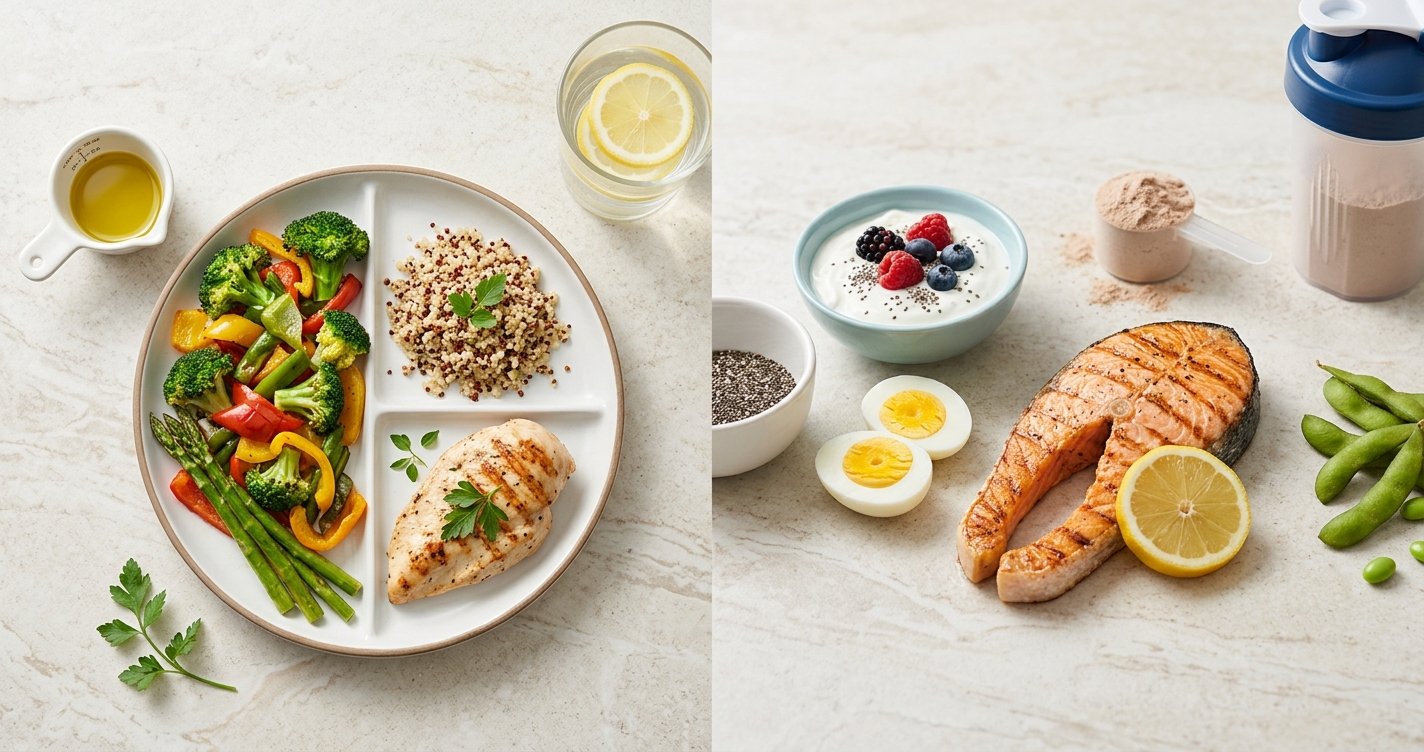
- Excellent Protein Sources: Lean meats (chicken breast, turkey, lean beef), fish (salmon, tuna, cod), eggs, dairy products (Greek yogurt, cottage cheese), legumes (lentils, beans), tofu, tempeh, and protein powders.
Putting It All Together: Practical Strategies for Success
Understanding the science is one thing; implementing it is another. Here are practical strategies to help you consistently hit your calorie and protein targets:
Track Smart, Not Hard
Initially, using a food tracking app for a week or two can be incredibly insightful. It helps you understand the caloric and protein content of the foods you typically eat. You don't need to track forever, but it's an excellent tool for building awareness and making informed choices. Focus on learning portion sizes and the nutritional density of your meals.
Prioritize Whole, Unprocessed Foods
While technically you can lose fat eating junk food if you're in a deficit, focusing on whole, unprocessed foods offers superior benefits. They are generally more nutrient-dense, higher in fiber (which also aids satiety), and less calorie-dense, allowing you to eat a larger volume of food for fewer calories. Think lean proteins, vegetables, fruits, and whole grains.
Distribute Protein Throughout Your Day
Instead of trying to cram all your protein into one meal, aim to include a good source of protein in every meal and snack. This helps with consistent satiety and provides a steady supply of amino acids for muscle maintenance. A typical strategy might be 20-40 grams of protein per meal.
Hydration is Key
Often overlooked, adequate water intake is crucial. Sometimes, your body can mistake thirst for hunger. Drinking plenty of water throughout the day can help manage appetite, support metabolic functions, and enhance overall well-being. Aim for at least 2-3 liters (8-12 cups) daily.
Don't Forget Fiber!
Fiber-rich foods (vegetables, fruits, whole grains, legumes) work synergistically with protein to boost satiety. They add bulk to your meals, slow down digestion, and contribute to gut health, all of which are beneficial for sustainable fat loss.
Navigating Challenges & Staying Consistent
Your fat loss journey won't always be a straight line. There will be plateaus, slip-ups, and moments of doubt. Here's how to navigate them:
- Embrace Patience: Sustainable fat loss is a marathon, not a sprint. Celebrate small victories and understand that progress isn't always linear.
- Re-evaluate During Plateaus: If progress stalls for more than 2-3 weeks, re-evaluate your intake. Are you truly in a deficit? Has your activity level changed? Sometimes a small adjustment (e.g., reducing calories by another 100-200, or increasing activity slightly) is all that's needed.
- Mindful Eating: Beyond tracking, practice mindful eating. Pay attention to your hunger and fullness cues. Eat slowly, savor your food, and put away distractions. This helps you recognize when you're truly satisfied.
- Manage Stress & Sleep: Chronic stress can elevate cortisol levels, which can hinder fat loss. Poor sleep also impacts hunger hormones (ghrelin and leptin), making you hungrier and more prone to cravings. Prioritize 7-9 hours of quality sleep and find healthy ways to manage stress.
- Don't Strive for Perfection: One 'off' meal or day won't derail your progress. Get back on track with your next meal. Consistency over perfection is the mantra for long-term success.
Beyond the Numbers: The Bigger Picture of Health
While the scale and body fat percentage are metrics, remember that sustainable fat loss is ultimately about building a healthier, stronger, and more vibrant you. Focus on the non-scale victories: increased energy, better sleep, improved mood, stronger workouts, and clothes fitting better. These are powerful motivators that extend far beyond a number on the scale.
By consistently applying the principles of a sustainable calorie deficit and adequate protein intake, you're not just losing fat; you're cultivating healthy habits that will serve you for a lifetime. You're learning to nourish your body, understand its needs, and build a relationship with food that promotes well-being rather than deprivation.
Your Journey to Sustainable Fat Loss Starts Now
You now have the fundamental knowledge and practical strategies to embark on a truly sustainable fat loss journey. Forget the fads, the extreme cleanses, and the magic pills. Embrace the power of a smart calorie deficit and the incredible benefits of protein. Be patient, be consistent, and most importantly, be kind to yourself.
This isn't just about losing weight; it's about gaining health, confidence, and a sustainable lifestyle. Start today, make small, consistent changes, and watch as you transform not just your body, but your entire relationship with food and fitness. You have the tools; now go out and build the healthier, happier you!