Beyond the Hype: Mastering Sustainable Fat Loss with Protein and a Smart Calorie Deficit
Are you tired of the endless cycle of fad diets, quick fixes, and disappointing results when it comes to fat loss? You're not alone. The internet is flooded with conflicting advice, making it incredibly difficult to know where to start. But what if we told you that sustainable, effective fat loss doesn't have to be complicated? It boils down to two fundamental, evidence-backed principles: creating a smart calorie deficit and prioritizing protein intake.
Forget the detox teas and extreme restrictions. This isn't about deprivation; it's about empowerment through understanding your body and fueling it intelligently. We're here to guide you through a friendly, encouraging, and science-based approach to shedding fat, preserving muscle, and building a healthier, stronger you for the long term. Let's dive into the powerful synergy of protein and a calorie deficit! this excellent wellness product
The Non-Negotiable Foundation: Understanding the Calorie Deficit
At its core, fat loss is a game of energy balance. To lose fat, your body needs to burn more calories than it consumes. This state is known as a calorie deficit. It's not magic; it's physics. When you consistently eat fewer calories than your body expends through basic metabolic functions (breathing, circulating blood), daily activities, and exercise, your body is forced to tap into its stored energy reserves – primarily body fat – for fuel.
But here's the crucial part: a smart calorie deficit is key. Drastically cutting calories might lead to rapid initial weight loss, but it's often unsustainable, can lead to nutrient deficiencies, severe hunger, metabolic slowdown, and even muscle loss. A moderate deficit – typically 300-500 calories below your maintenance level – is generally recommended for healthy, sustainable fat loss of 1-2 pounds per week. This approach allows your body to adapt gradually, preserves your metabolism, and significantly reduces the likelihood of rebound weight gain.
You can estimate your daily calorie needs using online calculators that consider your age, sex, weight, height, and activity level. From there, subtract 300-500 calories to establish your target for fat loss. Remember, these are estimates, and listening to your body, along with consistent tracking and adjustments, will yield the best results.
The Mighty Macronutrient: Why Protein is Your Best Friend for Fat Loss
While a calorie deficit is the engine of fat loss, protein is the fuel that optimizes the journey. Often overlooked in favor of restrictive diets, protein is a superhero macronutrient with multiple benefits that directly support your fat loss goals and overall health.
Satiety & Hunger Control
One of protein's most powerful attributes is its ability to keep you feeling fuller for longer. Protein has a higher satiety index compared to carbohydrates and fats. When you consume protein, it triggers the release of hormones like PYY and GLP-1, which signal fullness to your brain, and helps suppress ghrelin, the "hunger hormone." This means fewer cravings, less snacking, and an easier time sticking to your calorie deficit without feeling constantly deprived.
Muscle Preservation
When you're in a calorie deficit, your body can break down not only fat but also muscle tissue for energy. This is where protein becomes indispensable. A high protein intake, especially when combined with strength training, provides the necessary amino acids to help preserve lean muscle mass. Why is this important? Muscle is metabolically active, meaning it burns more calories at rest than fat does. Preserving muscle helps maintain your metabolism, making it easier to sustain fat loss and avoid the dreaded "skinny fat" look.
Thermic Effect of Food (TEF)
Did you know your body burns calories just to digest and process the food you eat? This is known as the Thermic Effect of Food (TEF). Protein has the highest TEF among all macronutrients, meaning your body expends more energy to break down and utilize protein compared to carbs or fats. While the effect isn't massive, it contributes to your overall daily calorie expenditure, giving you a slight metabolic advantage when you prioritize protein.
Supporting Recovery & Strength
If you're incorporating exercise, particularly strength training, into your fat loss regimen (and we highly recommend you do!), protein is vital for muscle repair and recovery. Adequate protein intake helps repair muscle fibers damaged during exercise, leading to stronger muscles and improved performance over time. This synergy between protein and exercise is crucial for body recomposition – losing fat while gaining or maintaining muscle.
How Much Protein Do You Really Need? Practical Guidelines
So, what's the magic number? For individuals aiming for fat loss while preserving muscle, research generally suggests a protein intake ranging from 1.6 to 2.2 grams of protein per kilogram of body weight (or roughly 0.7 to 1 gram per pound of body weight). For example, if you weigh 150 lbs (approximately 68 kg), you'd be aiming for around 109-150 grams of protein per day.
Don't get overwhelmed! This can be achieved through smart food choices. Focus on incorporating protein into every meal and snack:
- Lean Meats: Chicken breast, turkey, lean beef, pork loin.
- Fish & Seafood: Salmon, tuna, cod, shrimp.
- Eggs: A complete protein powerhouse.
- Dairy: Greek yogurt, cottage cheese, milk.
- Legumes & Lentils: Beans, lentils, chickpeas (plant-based options).
- Soy Products: Tofu, tempeh, edamame.
- Protein Powders: Whey, casein, soy, pea protein (convenient for boosting intake).
Try to distribute your protein intake fairly evenly throughout the day, aiming for 20-40 grams per meal, to maximize muscle protein synthesis and satiety.
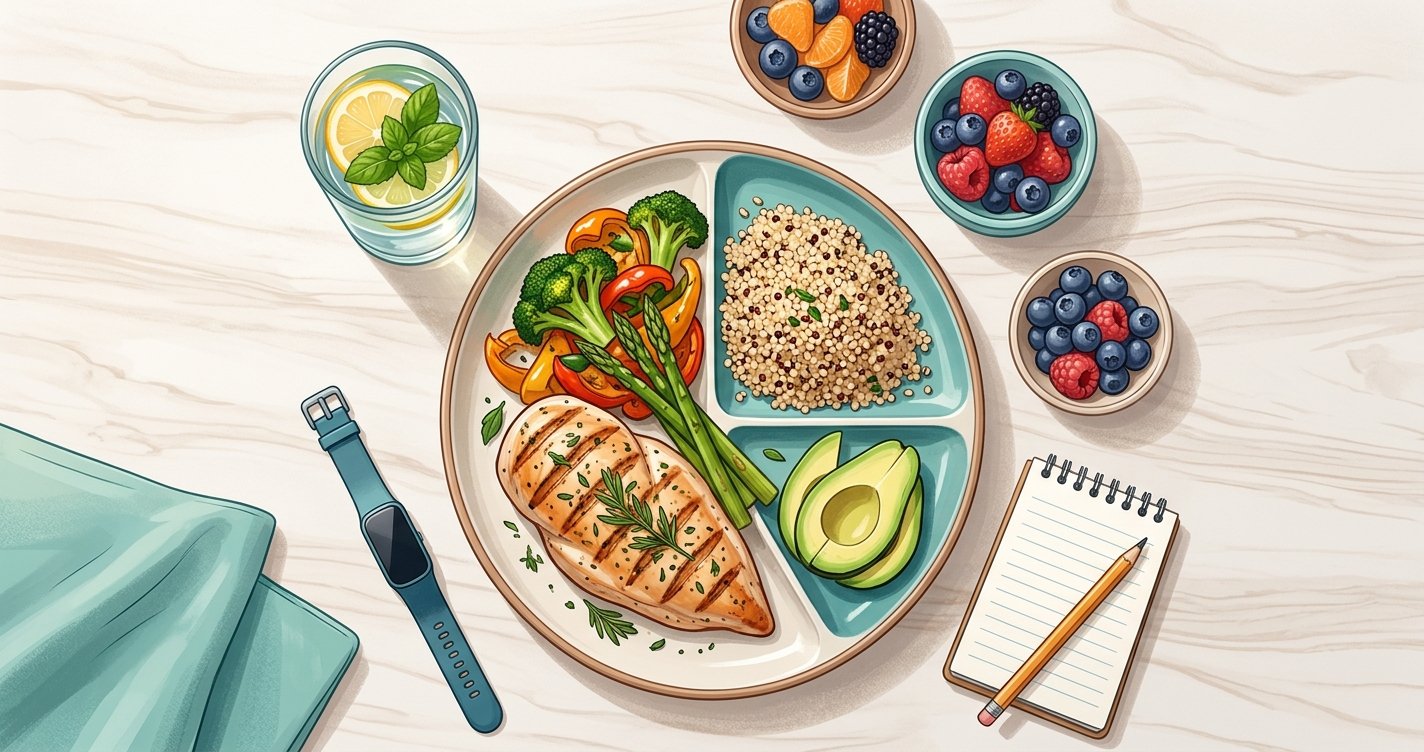
Putting It All Together: Crafting Your Sustainable Fat Loss Plate
Now that you understand the 'why,' let's talk about the 'how.' Combining a smart calorie deficit with high protein intake involves making intentional food choices and building balanced meals.
- Prioritize Whole, Unprocessed Foods: Focus on nutrient-dense foods that provide vitamins, minerals, and fiber, in addition to protein. Think lean proteins, plenty of vegetables, fruits, and whole grains. These foods are generally more satiating and less calorie-dense than highly processed alternatives.
- Combine Protein with Fiber-Rich Carbs and Healthy Fats: A balanced meal isn't just about protein. Pair your protein source with complex carbohydrates (like brown rice, quinoa, sweet potatoes) and healthy fats (avocado, nuts, seeds, olive oil). This combination provides sustained energy, aids digestion, and ensures you're getting a broad spectrum of nutrients.
- Mindful Eating Practices: Slow down, savor your food, and pay attention to your body's hunger and fullness cues. Mindful eating can help you recognize when you're truly satisfied, preventing overeating even when delicious food is in front of you.
- Strategic Snacking: If you need snacks, make them count. Opt for protein-rich options like Greek yogurt, a handful of almonds, cottage cheese, or a hard-boiled egg instead of empty-calorie treats.
Beyond Calories and Protein: Other Pillars of Success
While a calorie deficit and high protein are foundational, sustainable fat loss is a holistic journey. Don't overlook these crucial supporting pillars:
Hydration
Drinking enough water is incredibly important. Water aids in metabolism, can help you feel fuller, and is essential for overall bodily functions. Sometimes, what feels like hunger is actually thirst.
Sleep
Quality sleep is non-negotiable. Poor sleep can disrupt hormones that regulate appetite (ghrelin and leptin), leading to increased hunger and cravings. It also elevates cortisol, a stress hormone linked to increased fat storage, particularly around the midsection.
Stress Management
Chronic stress, like lack of sleep, can increase cortisol levels, making fat loss more challenging. Find healthy ways to manage stress, whether it's through meditation, yoga, spending time in nature, or hobbies you enjoy.
Strength Training
As mentioned, strength training is a powerful complement to your nutrition strategy. It helps build and preserve muscle mass, which boosts your metabolism, improves body composition, and enhances overall strength and functional fitness.
Staying Consistent and Overcoming Plateaus
Fat loss is rarely a linear process. There will be days when you feel discouraged, and you might hit plateaus where the scale doesn't budge. This is normal! The key is consistency and patience.
- Track Progress Beyond the Scale: Don't let the scale be your only measure of success. Take progress photos, measure your waist and hips, notice how your clothes fit, and celebrate non-scale victories like increased energy or strength.
- Embrace Flexibility: Life happens. An occasional treat or a meal out won't derail your progress if you're consistent most of the time. Aim for an 80/20 approach – 80% on track, 20% flexible.
- Re-evaluate and Adjust: If you hit a plateau for more than 2-3 weeks, it might be time to re-evaluate. Your calorie needs may have changed as you've lost weight. You might need to slightly reduce your calories further, increase your activity, or consider a diet break to reset your metabolism and hormones.
The Journey to a Stronger, Healthier You
Sustainable fat loss isn't about chasing perfection; it's about building healthy habits that you can maintain for life. By understanding and consistently applying the principles of a smart calorie deficit and prioritizing protein intake, you're not just losing weight – you're building a foundation for lasting health, increased energy, and a more confident you.
Remember, be patient with yourself, celebrate small victories, and embrace the journey. Start small, make one change today, and watch as these powerful strategies transform your body and your relationship with food. You've got this!