Tired of Quick Fixes? Discover the Real Path to Sustainable Fat Loss!
You’ve seen the headlines: “Lose 10 pounds in 3 days!” or “Melt fat with this one weird trick!” While these promises might grab your attention, the truth about lasting fat loss is far less dramatic, but infinitely more effective and sustainable. If you’ve been on the diet rollercoaster, frustrated by temporary results and rebound weight gain, you’re in the right place. We’re going to cut through the noise and equip you with the evidence-based strategies that actually work: the power of a smart calorie deficit and the incredible benefits of prioritizing protein. This isn’t about deprivation; it’s about understanding your body, fueling it wisely, and building habits that last a lifetime. Let’s dive in!
The Non-Negotiable Foundation: Understanding the Calorie Deficit
At its core, fat loss boils down to one fundamental scientific principle: you must consume fewer calories than your body burns. This is what we call a “calorie deficit.” Think of your body like a car. If you put in less fuel than you use, it has to tap into its reserves — in this case, stored body fat — for energy. It’s simple physics, and no amount of fancy supplements or extreme diets can bypass this truth. this excellent wellness product
But how do you create a calorie deficit safely and effectively? It starts with understanding your Basal Metabolic Rate (BMR) — the calories your body burns at rest — and your Total Daily Energy Expenditure (TDEE), which includes your BMR plus the calories burned through activity. Online calculators can give you an estimate of your TDEE, but remember, these are just starting points. Once you have an estimate, aim to create a modest deficit of 300-500 calories per day. This approach allows for steady, sustainable fat loss (typically 1-2 pounds per week) without drastically cutting your energy intake, which can lead to fatigue, nutrient deficiencies, and metabolic slowdown.
Resist the urge to go for extreme deficits (e.g., eating only 800 calories a day). While you might see rapid initial weight loss, this approach is often unsustainable, can lead to significant muscle loss, and may trigger your body’s survival mechanisms, making future fat loss even harder. Slow and steady truly wins the race when it comes to long-term success and maintaining a healthy metabolism.
Your Secret Weapon: Why Protein is King for Fat Loss
Once you understand the calorie deficit, the next critical piece of the puzzle is what you eat. And when it comes to fat loss, protein is your undeniable MVP. Here’s why:
The Thermic Effect of Food (TEF): Burn More Just by Eating!
Did you know your body expends energy just to digest, absorb, and metabolize the food you eat? This is called the Thermic Effect of Food (TEF). Protein has the highest TEF of all macronutrients, meaning it burns more calories during digestion compared to carbohydrates or fats. For every 100 calories of protein you consume, your body might use 20-30 of those calories just to process it. That’s a significant metabolic boost!
Satiety & Hunger Control: Stay Fuller, Longer
One of the biggest challenges in a calorie deficit is managing hunger and cravings. Protein is incredibly satiating, meaning it helps you feel fuller and more satisfied for longer periods. This is due to its impact on hormones that regulate appetite, like ghrelin (the hunger hormone) and GLP-1 (a satiety hormone). By including ample protein in your meals, you’re less likely to snack unnecessarily or overeat later in the day, making adherence to your calorie goal much easier.
Muscle Preservation: Protect Your Metabolism
When you’re in a calorie deficit, your body can sometimes break down muscle tissue for energy, especially if you’re not consuming enough protein or engaging in resistance training. Muscle is metabolically active tissue — it burns more calories at rest than fat does. Losing muscle means a slower metabolism, making fat loss harder in the long run. A high-protein intake is crucial for preserving lean muscle mass during a calorie deficit, ensuring that the weight you lose is primarily fat, not precious muscle.
Repair & Recovery: Fuel Your Active Lifestyle
If you’re incorporating exercise into your fat loss journey (and you absolutely should be!), protein is essential for repairing muscle tissue damaged during workouts and supporting its growth. Adequate protein intake helps you recover faster, reduces muscle soreness, and prepares your body for your next training session, keeping you consistent with your activity levels.
So, how much protein should you aim for? A good general guideline for fat loss is to consume 1.6 to 2.2 grams of protein per kilogram of body weight (or roughly 0.7 to 1 gram per pound of body weight) daily. Focus on lean protein sources like chicken breast, turkey, lean beef, fish, eggs, Greek yogurt, cottage cheese, lentils, beans, and tofu.
Crafting Your Plate: Practical Strategies for High-Protein, Deficit-Friendly Meals
Knowing why protein and a calorie deficit are important is one thing; putting it into practice is another. Here’s how to build meals that support your fat loss goals:
- Prioritize Protein at Every Meal: Make protein the star of your plate. Whether it’s breakfast, lunch, or dinner, ensure you have a substantial source of lean protein. This sets the tone for satiety and muscle preservation throughout the day.
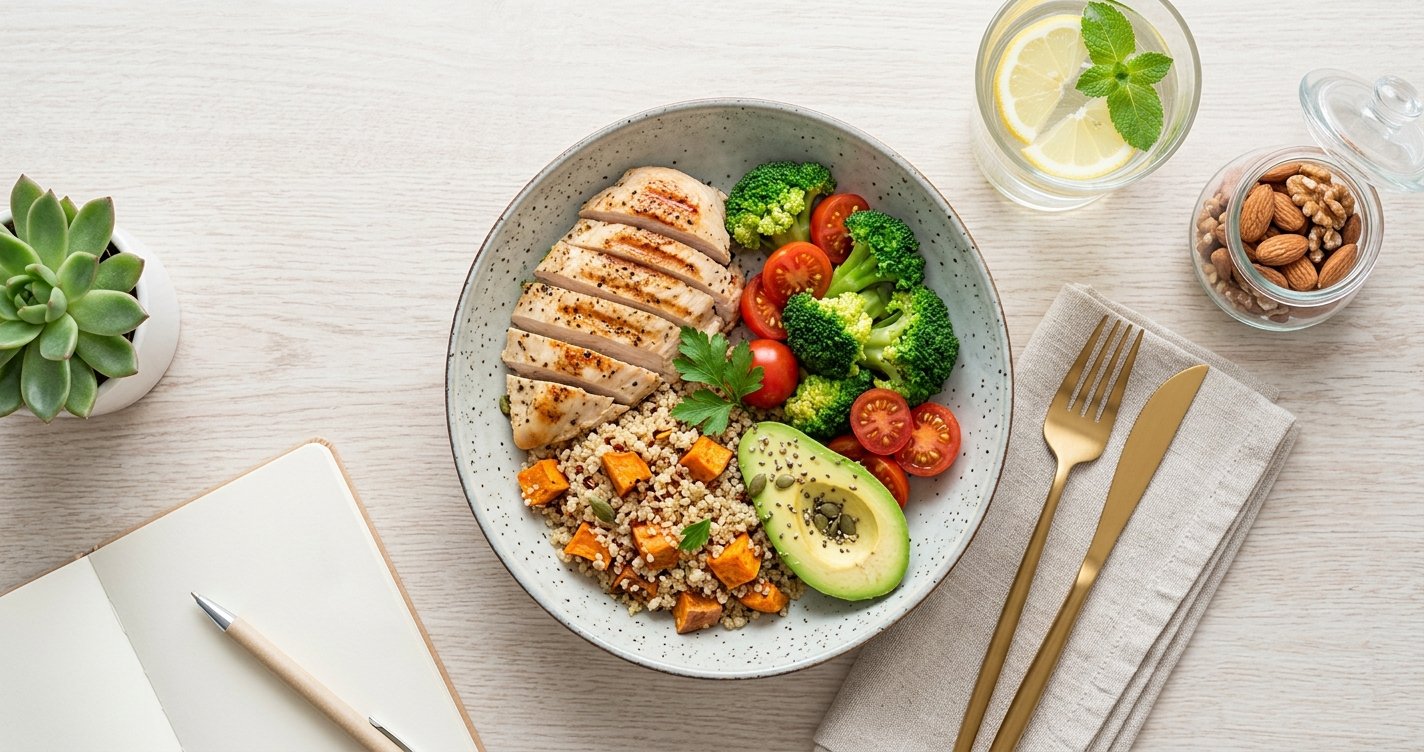
- Fill Up on Non-Starchy Vegetables: Vegetables like broccoli, spinach, bell peppers, and zucchini are incredibly low in calories but high in fiber and nutrients. They add volume to your meals, helping you feel full without adding many calories. Aim for half your plate to be non-starchy veggies.
- Smart Carb Choices: Don’t eliminate carbs entirely, but choose wisely. Opt for complex carbohydrates like whole grains (oats, quinoa, brown rice), sweet potatoes, and legumes, which provide sustained energy and fiber. Portion control here is key.
- Include Healthy Fats in Moderation: Fats are essential for hormone production and nutrient absorption, but they are calorie-dense. Include sources like avocado, nuts, seeds, and olive oil in smaller portions to get their benefits without overshooting your calorie target.
- Meal Prepping is Your Ally: Planning and preparing your meals in advance can be a game-changer. It prevents last-minute unhealthy choices and ensures you have high-protein, deficit-friendly options readily available.
Example Meal Structure:
- Breakfast: Scrambled eggs with spinach and whole-wheat toast OR Greek yogurt with berries and a sprinkle of nuts.
- Lunch: Large salad with grilled chicken or chickpeas, plenty of veggies, and a light vinaigrette.
- Dinner: Baked salmon with roasted broccoli and a small serving of quinoa.
- Snacks (if needed): Cottage cheese, a handful of almonds, or a protein shake.
Beyond the Plate: Integrating Lifestyle for Lasting Results
While nutrition is paramount, sustainable fat loss isn't just about what you eat. Your lifestyle plays a huge role in your success.
Strength Training: Build a Metabolism-Boosting Machine
Remember how we talked about preserving muscle? Strength training is the most effective way to do it — and even build new muscle — during a calorie deficit. Lifting weights (or using your body weight) signals to your body that your muscles are important, encouraging it to spare them and prioritize fat for energy. More muscle means a higher resting metabolism, making it easier to maintain your weight loss long-term.
Hydration: The Unsung Hero
Often overlooked, drinking enough water is vital. Water can help with satiety, boost metabolism slightly, and is essential for countless bodily functions. Sometimes, what feels like hunger is actually thirst. Aim for at least 8 glasses of water daily, and more if you’re active.
Sleep & Stress Management: Tame Your Hormones
Poor sleep and chronic stress can wreak havoc on your fat loss efforts. Lack of sleep can increase ghrelin (hunger hormone) and decrease leptin (satiety hormone), leading to increased appetite and cravings. Stress elevates cortisol, a hormone that can promote fat storage, especially around the midsection. Prioritize 7-9 hours of quality sleep and find healthy ways to manage stress, whether it’s meditation, walks, or hobbies.
Patience & Consistency: The Ultimate Virtues
Fat loss is rarely a linear journey. There will be good days and challenging days. The key is consistency over perfection. Don’t get discouraged by slow progress or minor setbacks. Trust the process, stay consistent with your efforts, and remember that sustainable change takes time.
Common Pitfalls and How to Avoid Them
- Going Too Low in Calories: As discussed, this is counterproductive. Stick to a moderate deficit for long-term success.
- Not Enough Protein: This will leave you hungry, increase muscle loss, and slow your metabolism.
- Ignoring Non-Scale Victories: The scale is just one metric. Celebrate increased energy, better sleep, stronger lifts, clothes fitting better, and improved mood.
- Obsessive Tracking vs. Mindful Eating: While tracking can be helpful initially, learn to listen to your body’s hunger and fullness cues. Develop a healthy relationship with food, not just numbers.
- Giving Up Too Soon: Results take time. If you’re consistent, the changes will come. Don’t let a week or two of slow progress derail your entire journey.
Your Journey to a Stronger, Healthier You Starts Now!
Sustainable fat loss isn't a secret; it’s a science-backed process that combines a smart calorie deficit with a high-protein diet and supportive lifestyle habits. By understanding these core principles and applying them consistently, you can move beyond the frustration of crash diets and build a healthier, stronger body that lasts. This isn’t just about losing weight; it’s about gaining health, energy, and confidence. You have the knowledge now — empower yourself to make sustainable choices every day. Celebrate every step, be kind to yourself, and remember: this is your journey, and you’ve got this!