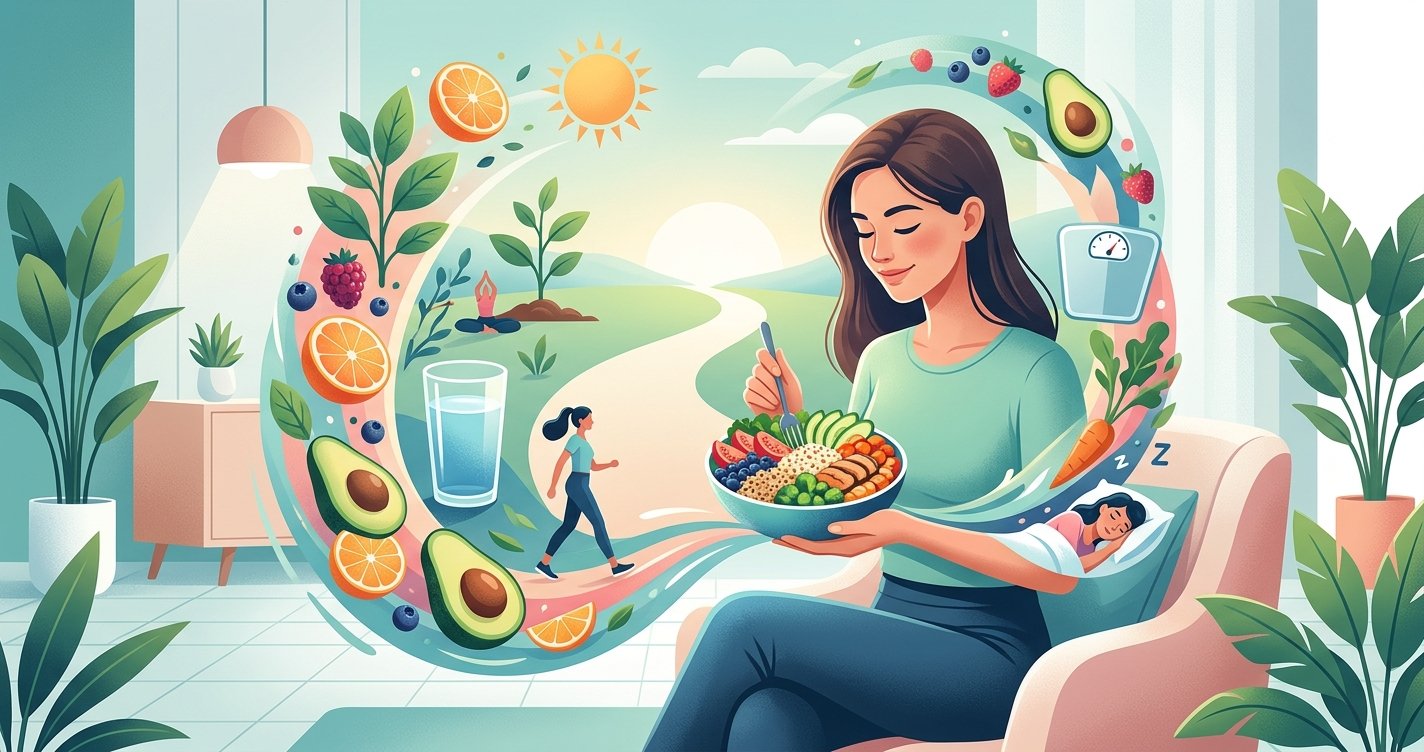
Are you tired of the endless cycle of restrictive diets, quick fixes, and the frustration of seeing the scale yo-yo? You're not alone. Many people embark on a fat loss journey with high hopes, only to be met with disappointment when the results don't last. The truth is, sustainable fat loss isn't about deprivation or extreme measures; it's about cultivating a healthier relationship with food, understanding your body, and building habits that support your well-being for the long haul. This isn't just about losing weight; it's about gaining health, energy, and confidence.
In this guide, we'll explore an evidence-based, friendly, and encouraging approach to achieving lasting fat loss through the power of mindful eating and sustainable lifestyle habits. Forget the fad diets and embrace a journey that empowers you to make informed choices, listen to your body, and truly enjoy the process of becoming your healthiest self. this excellent wellness product
The Pitfalls of Crash Diets: Why They Don't Last
Before we dive into what works, let's briefly understand why many traditional 'diets' fail in the long run. Crash diets often promise rapid results by drastically cutting calories or eliminating entire food groups. While you might see initial weight loss, this approach is rarely sustainable and can even be detrimental to your metabolism and mental health.
When you severely restrict calories, your body can interpret this as a famine. It responds by slowing down your metabolism to conserve energy, making it harder to lose fat. Furthermore, extreme restriction often leads to intense cravings and rebound eating, where you regain the lost weight (and sometimes more) once the diet ends. This 'yo-yo dieting' cycle is not only frustrating but can also negatively impact your body composition over time, potentially leading to a higher body fat percentage and reduced muscle mass. Our goal here is to break free from this cycle and build a foundation for lasting success.
What is Mindful Eating, Really?
Mindful eating is a powerful tool for sustainable fat loss, but it's not a diet in the traditional sense. It's a practice of bringing full awareness to your eating experience, paying attention to your body's hunger and fullness cues, and savoring your food. It's about reconnecting with your internal signals and moving away from external rules or emotional eating.
- Listen to Your Body: Before you eat, check in with your hunger levels. Are you truly hungry, or are you eating out of boredom, stress, or habit? Similarly, stop eating when you feel comfortably full, not stuffed.
- Engage Your Senses: Notice the colors, textures, aromas, and flavors of your food. How does it feel in your mouth? This appreciation can enhance satisfaction and prevent overeating.
- Eat Slowly and Without Distraction: Put away your phone, turn off the TV, and focus on your meal. Chew thoroughly and put your fork down between bites. This allows your brain time to register fullness, which typically takes about 20 minutes.
- Recognize Your Triggers: What situations or emotions lead you to eat when you're not hungry? Identifying these patterns is the first step to developing healthier coping mechanisms.
Practicing mindful eating helps you develop a healthier relationship with food, reducing guilt and promoting intuitive choices that naturally support your fat loss goals.
Building a Foundation: Key Nutritional Principles
While mindful eating guides *how* you eat, these nutritional principles guide *what* you eat. This isn't about strict rules, but rather making informed choices that nourish your body and support satiety.
Prioritize Protein
Protein is your best friend when it comes to fat loss. It's incredibly satiating, meaning it helps you feel full for longer, reducing the likelihood of overeating. Protein also plays a crucial role in preserving muscle mass during fat loss, which is important for maintaining a healthy metabolism. Aim for a good source of lean protein at every meal: chicken, fish, eggs, lean beef, legumes, tofu, or Greek yogurt.
Embrace Whole Foods
Focus on whole, unprocessed foods as the cornerstone of your diet. Think fruits, vegetables, whole grains, and lean proteins. These foods are rich in fiber, vitamins, and minerals, providing essential nutrients while naturally promoting fullness and steady energy levels. Processed foods, on the other hand, often contain added sugars, unhealthy fats, and refined carbs that can hinder fat loss and lead to energy crashes.
Smart Carb Choices
Carbohydrates are not the enemy! The key is choosing the right kind. Opt for complex carbohydrates like oats, quinoa, brown rice, sweet potatoes, and whole-grain bread. These provide sustained energy and fiber, which aids digestion and satiety. Limit refined carbohydrates like white bread, sugary cereals, and pastries, which can cause blood sugar spikes and crashes.
Healthy Fats Are Your Friends
Don't fear healthy fats! Monounsaturated and polyunsaturated fats (found in avocados, nuts, seeds, olive oil, and fatty fish) are essential for hormone production, nutrient absorption, and also contribute to satiety. Incorporating moderate amounts of healthy fats into your diet can help you feel more satisfied and keep cravings at bay.
The Power of Habit: Small Changes, Big Results
Lasting fat loss isn't achieved through heroic efforts, but through consistent, small habits. Think about habits you already have – they often require little conscious thought. We want to build positive habits that automate healthy choices.
- Start Small: Instead of overhauling everything at once, pick one or two small habits to focus on. For example, 'drink a glass of water before every meal' or 'go for a 15-minute walk after dinner.'
- Be Consistent: Consistency trumps intensity. Doing a small, healthy action every day is far more effective than doing an extreme diet for a week and then quitting.
- Stack Your Habits: Link a new habit to an existing one. For instance, 'After I brush my teeth, I will drink a large glass of water.'
- Prepare for Success: Make healthy choices easy. Meal prep on Sundays, keep healthy snacks readily available, and remove tempting junk food from your pantry.
Building habits takes time and patience, but once ingrained, they become effortless parts of your routine, steering you towards your goals without constant willpower battles.
Moving Your Body: Joyful Movement, Not Just Exercise
Physical activity is a vital component of fat loss, but it doesn't have to be a chore. Shift your mindset from 'punishing workouts' to 'joyful movement.' The goal is to find activities you genuinely enjoy, making them sustainable and fun.
- Find Your Flow: Whether it's dancing, hiking, cycling, swimming, yoga, or lifting weights, choose activities that make you feel good and energized.
- Incorporate NEAT: Non-Exercise Activity Thermogenesis (NEAT) refers to the energy expended for everything we do that is not sleeping, eating, or sports-like exercise. This includes walking to work, gardening, taking the stairs, or fidgeting. Small increases in daily movement can significantly contribute to your overall calorie expenditure.
- Consistency Over Intensity: Regular, moderate activity is more beneficial than sporadic, intense bursts that lead to burnout or injury. Aim for at least 150 minutes of moderate-intensity activity per week, along with two days of strength training.
Movement not only helps burn calories but also improves mood, reduces stress, builds muscle, and boosts overall vitality – all factors that indirectly support fat loss.
Beyond Food and Movement: The Lifestyle Factors
Fat loss isn't just about what you eat and how much you move; it's intricately linked to your overall lifestyle. Overlooking these crucial elements can sabotage even the most disciplined efforts.
Sleep is Non-Negotiable
Quality sleep is a superpower for fat loss. When you're sleep-deprived, your body's hormones go haywire. Ghrelin (the hunger hormone) increases, making you feel hungrier, while leptin (the satiety hormone) decreases, making it harder to feel full. Additionally, poor sleep elevates cortisol levels, a stress hormone that can promote fat storage, especially around the belly. Aim for 7-9 hours of quality sleep per night.
Stress Management Matters
Chronic stress, like lack of sleep, keeps cortisol levels elevated. This not only encourages fat storage but can also lead to emotional eating as a coping mechanism. Find healthy ways to manage stress: meditation, deep breathing exercises, spending time in nature, hobbies, or connecting with loved ones. Prioritizing mental well-being is a non-negotiable part of a sustainable fat loss journey.
Hydration: Simple Yet Crucial
Drinking enough water is a simple yet powerful tool. Water helps with metabolism, can reduce appetite (sometimes thirst is mistaken for hunger), and helps your body function optimally. Carry a water bottle with you and sip throughout the day. Aim for at least 8 glasses (about 2 liters) daily, more if you're active or in a hot climate.
Tracking Progress: More Than Just the Scale
While the scale can be one tool, it doesn't tell the whole story. Body weight fluctuates daily due to water retention, muscle mass, and other factors. Focusing solely on the number on the scale can be demotivating and misleading.
Instead, celebrate non-scale victories:
- How your clothes fit: Are they looser?
- Increased energy levels: Do you feel more vibrant throughout the day?
- Improved strength and endurance: Are you lifting heavier or walking further?
- Better sleep quality: Are you waking up refreshed?
- Enhanced mood and mental clarity: Do you feel happier and more focused?
- Consistent healthy habits: Are you consistently making mindful choices?
These indicators provide a more holistic and encouraging view of your progress, reflecting true health improvements rather than just a number.
Your Journey to Lasting Fat Loss Starts Now
Achieving lasting fat loss isn't about perfection; it's about progress, patience, and self-compassion. By embracing mindful eating, building sustainable habits, prioritizing sleep and stress management, and celebrating non-scale victories, you're not just losing fat – you're building a healthier, happier, and more energetic life. This is your journey to discover what truly nourishes your body and soul. Be kind to yourself, stay consistent, and remember that every small, positive step brings you closer to your goals. You've got this!