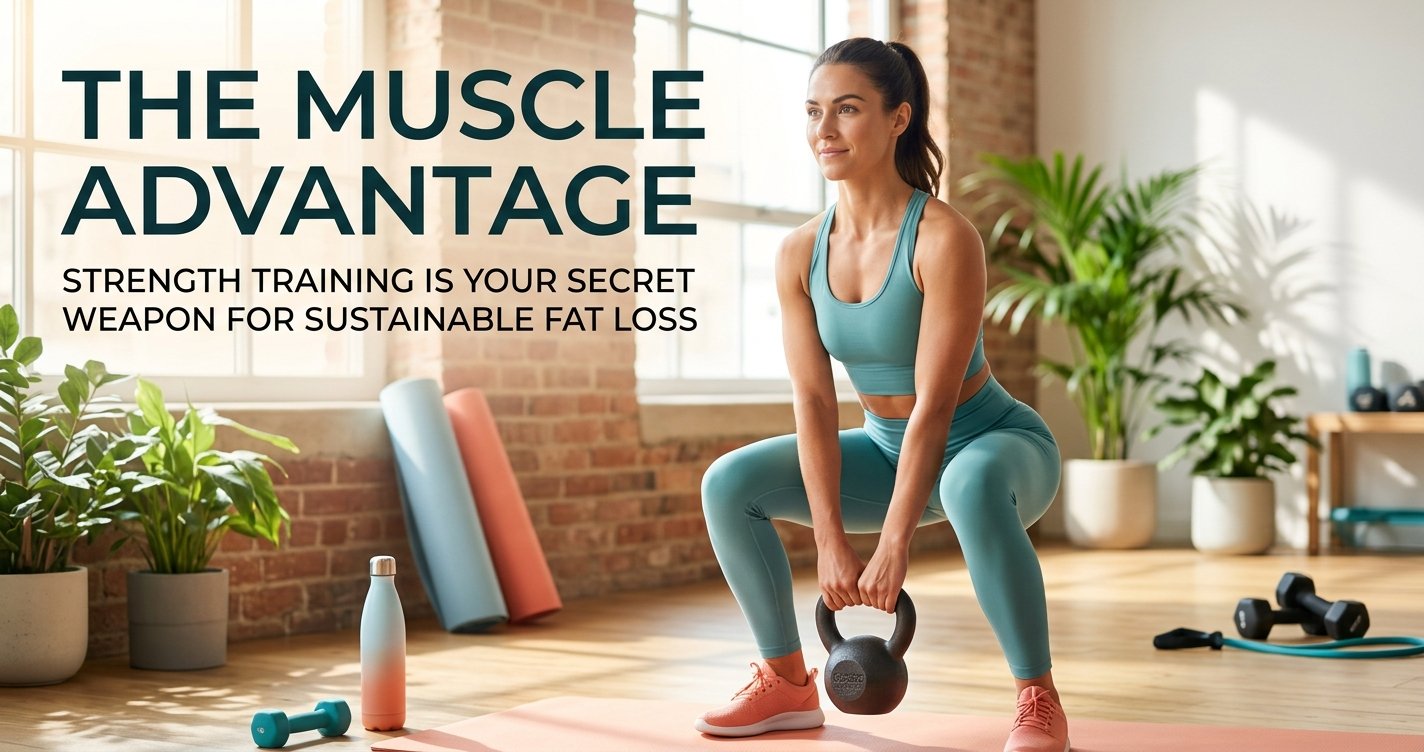
Unlock Your Potential: Why Building Muscle is Your Best Friend for Sustainable Fat Loss
When most people think about fat loss, images of endless cardio sessions on a treadmill or restrictive diets often come to mind. While cardiovascular exercise and a balanced diet are undoubtedly important pieces of the puzzle, there's a powerful, often overlooked, component that can dramatically accelerate your progress and make your results truly sustainable: strength training. Forget the myth that lifting weights is only for bodybuilders or will make you "bulky." For anyone looking to shed body fat, improve their body composition, and feel strong and confident, building muscle is your ultimate secret weapon. Let's dive into the evidence-backed reasons why strength training isn't just a good idea, but an essential one for lasting fat loss.
Why Muscle Is Your Metabolic MVP: The Science Behind Strength
Understanding how muscle impacts your metabolism is key to appreciating its role in fat loss. It's not just about burning calories during your workout; it's about transforming your body into a more efficient fat-burning machine 24/7. this excellent wellness product
The Basal Metabolic Rate (BMR) Boost
Your Basal Metabolic Rate (BMR) is the number of calories your body burns at rest, just to keep you alive and functioning. Think about it: breathing, maintaining body temperature, circulating blood – these all require energy. Muscle tissue is metabolically more active than fat tissue. This means that even when you're sleeping or sitting at your desk, a body with more muscle burns more calories than a body with less muscle. While the exact numbers vary, estimates suggest that a pound of muscle burns roughly 6-10 calories per day at rest, compared to 2-3 calories for a pound of fat. Over time, these small differences add up significantly, creating a higher resting energy expenditure that supports fat loss without constant deprivation.
EPOC: The Afterburn Effect
Ever felt especially tired or warm after a tough weightlifting session? That's partly due to Excess Post-exercise Oxygen Consumption (EPOC), often called the "afterburn effect." Unlike steady-state cardio, which generally stops burning significant calories shortly after you finish, intense strength training creates a metabolic disturbance that requires your body to work harder to recover. This means your body continues to burn an elevated number of calories for hours, sometimes even up to 24-48 hours, after your workout is over. Your body needs to repair muscle tissue, replenish energy stores, and return to a pre-exercise state, all of which demand energy, primarily from fat stores.
Improved Insulin Sensitivity
Strength training also plays a crucial role in improving your body's insulin sensitivity. Insulin is a hormone that helps transport glucose (sugar) from your bloodstream into your cells for energy. When your cells become more sensitive to insulin, they can more efficiently use glucose, reducing the likelihood of it being stored as fat. Muscle cells are a primary site for glucose uptake. By increasing your muscle mass, you create more "storage space" for glucose, helping to stabilize blood sugar levels and potentially reducing cravings, which is a massive advantage in any fat loss journey.
Debunking the Myths: Lifting Weights Won't Make You "Bulky"
One of the biggest hurdles, particularly for women, in embracing strength training for fat loss is the fear of becoming "bulky." Let's set the record straight.
The Hormonal Difference
For most women, gaining significant muscle mass to the point of looking "bulky" is incredibly difficult without specific training protocols, extremely high calorie intake, and often, hormonal assistance. Women naturally have much lower levels of testosterone, the primary hormone responsible for large-scale muscle growth, compared to men. What you will achieve through consistent strength training is a lean, toned, and strong physique. You'll notice better definition, improved posture, and clothes fitting differently – not because you're bigger, but because your body composition has shifted, reducing fat and increasing muscle density.
The Aesthetic Benefits of Lean Muscle
Instead of bulk, think shape and firmness. Building lean muscle helps to sculpt your body, giving you those desirable curves and a more athletic appearance. It fills out the skin, making you look tighter and more toned. This change in body composition is often far more impactful on your appearance and confidence than simply losing weight on the scale. You might even find yourself weighing the same or slightly more, but looking significantly smaller and more defined.
Getting Started: Your Strength Training Blueprint
Ready to harness the power of muscle? Here's how to begin your strength training journey for fat loss.
Choose Your Style: Bodyweight, Free Weights, Machines
- Bodyweight Exercises: A fantastic starting point! Push-ups, squats, lunges, planks, and glute bridges require no equipment and can be done anywhere.
- Free Weights (Dumbbells, Barbells, Kettlebells): Offer greater versatility and allow for more natural movement patterns. Excellent for progressive overload as you can easily increase the weight.
- Resistance Machines: Great for beginners as they provide stability and guide your movement, helping you learn proper form before moving to free weights.
Frequency and Volume: How Often and How Much
For optimal fat loss and muscle gain, aim for 3-4 strength training sessions per week. Focus on compound movements (exercises that work multiple muscle groups simultaneously) like squats, deadlifts, presses, and rows. For each exercise, aim for 3-4 sets of 8-12 repetitions. The last few reps of each set should feel challenging, but you should maintain good form.
Progressive Overload: The Key to Continued Progress
Your muscles adapt quickly. To keep seeing results, you need to continually challenge them. This is known as progressive overload. It means gradually increasing the demands on your muscles over time. This can be done by:
- Increasing the weight you lift.
- Doing more repetitions with the same weight.
- Performing more sets.
- Reducing rest time between sets.
- Improving your form and control.
Essential Exercises for Beginners
Start with these foundational movements, focusing on proper form:
- Squats: Bodyweight, goblet squat, barbell back squat.
- Deadlifts: Romanian deadlift (RDL) with dumbbells, conventional deadlift.
- Push-ups: On knees, incline, on toes.
- Overhead Press: Dumbbell shoulder press, barbell overhead press.
- Rows: Dumbbell bent-over row, cable row.
- Lunges: Forward lunge, reverse lunge.
Fueling Your Progress: Nutrition for Muscle Growth and Fat Loss
You can't out-train a poor diet. Nutrition is paramount when combining strength training with fat loss goals.
Protein Power: Why It's Non-Negotiable
Protein is the building block of muscle. To repair and grow muscle tissue after your workouts, you need an adequate intake of high-quality protein. Aim for roughly 0.7-1 gram of protein per pound of your target body weight per day. Good sources include lean meats, poultry, fish, eggs, dairy, legumes, and protein supplements. Protein also has the added benefit of being highly satiating, helping you feel fuller for longer and reducing overall calorie intake.
Smart Carbs and Healthy Fats
Don't fear carbohydrates! They are your body's primary source of energy, especially important for fueling intense workouts. Focus on complex carbohydrates like whole grains, fruits, and vegetables. Healthy fats (avocado, nuts, seeds, olive oil) are essential for hormone production and overall health. While in a calorie deficit for fat loss, ensure these macronutrients are balanced to support energy and recovery.
The Importance of a Slight Calorie Deficit (But Not Too Much!)
To lose fat, you generally need to consume slightly fewer calories than you burn (a calorie deficit). However, when building muscle, you don't want a drastic deficit, as this can hinder muscle growth and recovery. Aim for a moderate deficit of 250-500 calories below your maintenance level. This allows your body to tap into fat stores for energy while still having enough fuel to support muscle protein synthesis.
Beyond the Gym: Lifestyle Factors Supporting Your Journey
Your fat loss and muscle building journey extends beyond your workouts and meals.
Sleep: The Unsung Hero of Recovery
When you sleep, your body goes into repair mode. Growth hormone is released, muscle tissue is repaired, and your central nervous system recovers. Aim for 7-9 hours of quality sleep per night. Skimping on sleep can disrupt hormones related to hunger and satiety (ghrelin and leptin) and elevate cortisol, making fat loss more challenging.
Stress Management: Keeping Cortisol in Check
Chronic stress leads to elevated cortisol levels, a hormone that can promote fat storage, particularly around the midsection, and break down muscle tissue. Incorporate stress-reducing activities into your routine: meditation, yoga, spending time in nature, reading, or connecting with loved ones. Managing stress is a powerful, often underestimated, tool for sustainable fat loss.
Consistency and Patience: Trusting the Process
Building muscle and losing fat takes time, consistency, and patience. There will be days when you feel strong and days when you feel less motivated. Stick with it! Focus on progress, not perfection. Celebrate small victories, like lifting a heavier weight or feeling stronger in everyday tasks. The scale might not always reflect your progress because you're gaining metabolically active muscle while losing fat, so consider taking measurements, progress photos, and noting how your clothes fit.
Embrace the Strength: Your Path to a Leaner, Stronger You
Embracing strength training is more than just a workout; it's an investment in your long-term health, metabolism, and confidence. By prioritizing muscle, you're not just losing weight; you're fundamentally changing your body composition, boosting your metabolism, and creating a resilient, capable physique. So, step away from the endless cardio, pick up those weights, and discover the incredible power of your own strength. Your journey to sustainable fat loss and a stronger, healthier you starts now!