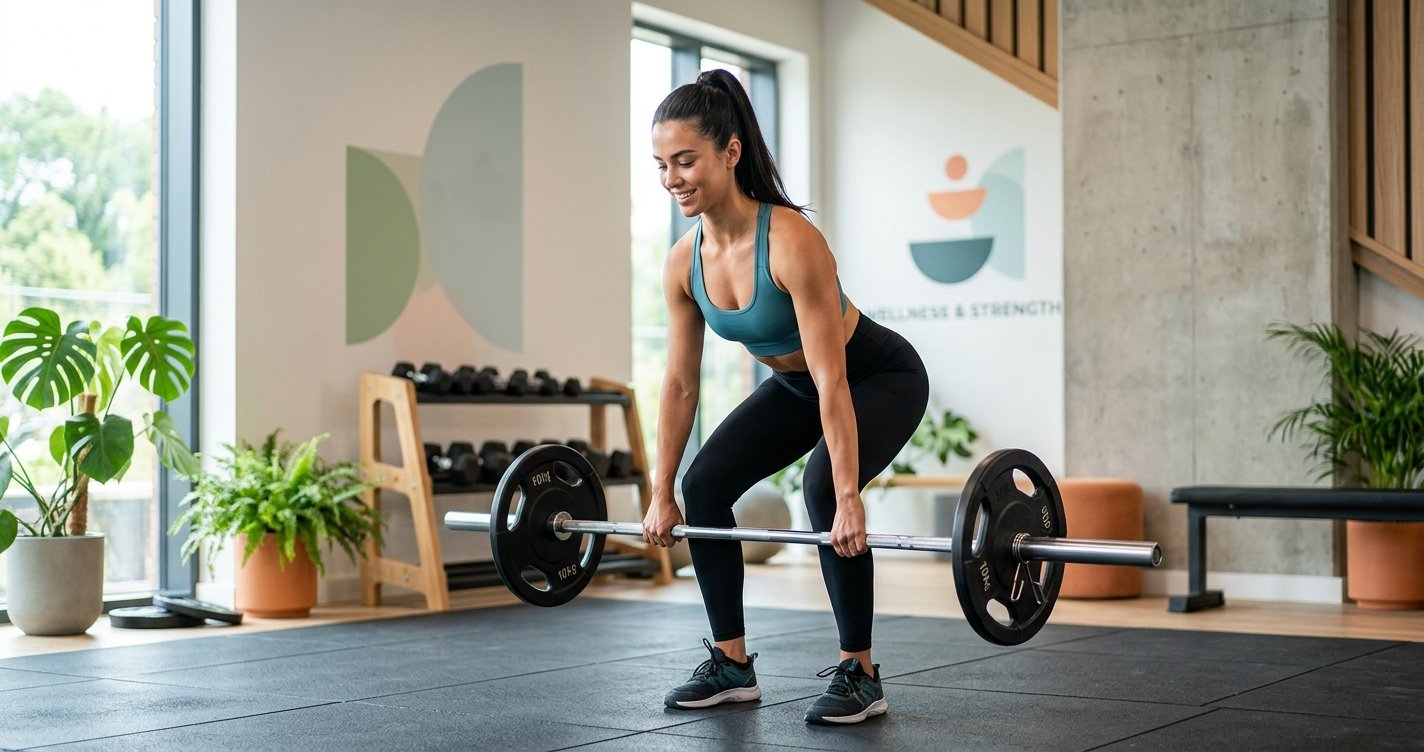
Tired of the Cardio-Only Treadmill? Discover Your Secret Weapon for Sustainable Fat Loss!
For years, the conventional wisdom for fat loss has revolved around endless hours of cardio and severe calorie restriction. While these can certainly play a role, many find themselves stuck on a frustrating cycle, losing weight only to regain it, or hitting plateaus that seem impossible to break. What if we told you there's a more effective, sustainable, and even empowering path to a leaner, stronger you? It's time to talk about strength training.
Yes, you heard that right! Lifting weights isn't just for bodybuilders or athletes. It's your secret weapon for transforming your body, boosting your metabolism, and achieving fat loss that actually lasts. Forget the fear of 'bulking up' – especially for women – and get ready to unlock a powerful, often overlooked component of a truly effective fat loss strategy. In this guide, we'll dive deep into the science-backed reasons why building muscle is paramount for fat loss and how you can get started on this incredibly rewarding journey. this excellent wellness product
Why Muscle is Your Metabolic Supercharger
Imagine your body as an engine. The more efficient and powerful that engine is, the more fuel it burns, even when idling. This is a perfect analogy for your metabolism and the role of muscle tissue. Your Basal Metabolic Rate (BMR) is the number of calories your body burns at rest, just to keep you alive and functioning. Here's where muscle truly shines.
- Muscle Burns More Calories at Rest: Scientific evidence consistently shows that muscle tissue is metabolically more active than fat tissue. While the exact numbers vary, it's generally accepted that a pound of muscle burns significantly more calories per day at rest than a pound of fat. This means that by increasing your muscle mass, you're literally turning your body into a more efficient, calorie-burning machine 24/7, even when you're sleeping!
- The Ripple Effect: A higher BMR means you have a greater 'calorie ceiling' before you start gaining weight. This offers more flexibility in your diet, making sustainable fat loss and maintenance much easier to achieve without feeling deprived all the time.
So, instead of constantly trying to eat less, which can slow your metabolism, you can focus on building more muscle to naturally increase your body's calorie-burning capacity. It's a game-changer for long-term success.
The Afterburn Effect (EPOC): Burn Calories Long After Your Workout
While steady-state cardio burns calories during the activity itself, strength training offers a unique bonus: the 'Afterburn Effect,' scientifically known as Excess Post-exercise Oxygen Consumption (EPOC). Think of it as your body's recovery period after a challenging workout.
- What is EPOC? After an intense strength training session, your body requires more oxygen to return to its pre-exercise state. This involves repairing muscle tissue, replenishing energy stores, and rebalancing hormones. All these processes require energy, meaning your body continues to burn calories at an elevated rate for hours, sometimes even up to 24-48 hours, after you've left the gym.
- Strength Training vs. Cardio for EPOC: Studies show that high-intensity resistance training typically produces a greater and longer-lasting EPOC effect compared to moderate-intensity steady-state cardio. This means that while you might burn more calories *during* a long run, you could potentially burn more calories *overall* from a shorter, intense weightlifting session when the afterburn is factored in.
This 'invisible' calorie burn is a powerful advantage for fat loss, helping you maximize your efforts even when you're not actively working out.
Sculpting Your Body: Beyond the Scale
One of the most rewarding aspects of incorporating strength training into your fat loss journey is the incredible transformation in your body composition and shape. Often, people get fixated solely on the number on the scale, which can be misleading.
- Body Recomposition: Strength training allows for 'body recomposition' – simultaneously losing fat and gaining muscle. Since muscle is denser than fat, you might not see a dramatic drop in weight, but your body will look and feel significantly different. Your clothes will fit better, you'll appear leaner, and you'll have more definition.
- The Non-Scale Victories: Focus on how your clothes fit, progress photos, body measurements (waist, hips, arms), and how much stronger you feel. These are often far better indicators of progress than just the scale. Lifting weights can also improve posture, reduce aches and pains, and significantly boost your confidence. You're not just losing fat; you're building a more capable, resilient, and aesthetically pleasing physique.
Embrace these non-scale victories; they represent true, lasting change.
Practical Steps: How to Get Started with Strength Training for Fat Loss
Ready to pick up some weights? Here's how to begin your strength training journey for optimal fat loss:
1. Consistency is Key (Frequency)
- Aim for 2-4 strength training sessions per week. For beginners, 2-3 full-body workouts are an excellent starting point. This allows adequate recovery time for your muscles to repair and grow.
2. Focus on Compound Movements
- Prioritize exercises that work multiple muscle groups simultaneously. These are the most efficient for building muscle and burning calories. Examples include:
- Squats: Barbell squats, goblet squats, lunges
- Deadlifts: Conventional, sumo, Romanian deadlifts
- Presses: Bench press, overhead press, push-ups
- Rows: Barbell rows, dumbbell rows, pull-ups (assisted if needed)
3. Progressive Overload: The Muscle-Building Mantra
- To continue building muscle, you must continually challenge your body. This means gradually increasing the demands placed on your muscles over time. How?
- Increase Weight: Lift slightly heavier than last time.
- Increase Reps/Sets: Do more repetitions or add another set.
- Improve Form: Execute movements more precisely and with better control.
- Decrease Rest Time: Shorten the rest periods between sets.
4. Rep Ranges for Hypertrophy (Muscle Growth)
- For muscle growth, aim for 3-5 sets of 6-12 repetitions per exercise. Choose a weight that makes the last few reps challenging but allows you to maintain good form.
5. Prioritize Form Over Ego
- Proper form is crucial to prevent injury and effectively target the desired muscles. If you're new to lifting, consider hiring a certified personal trainer for a few sessions to learn correct technique. It's an investment in your long-term success and safety.
Fueling Your Gains: Nutrition for Muscle Growth and Fat Loss
You can't out-train a poor diet. Nutrition is paramount when it comes to both building muscle and losing fat. Here's a quick guide:
- Protein Power: Protein is essential for muscle repair and growth. Aim for a high protein intake, roughly 1.6-2.2 grams per kilogram (or 0.7-1 gram per pound) of your target body weight per day, distributed throughout your meals. Lean meats, poultry, fish, eggs, dairy, and plant-based options like legumes and tofu are excellent sources.
- Calorie Deficit (But Not Too Aggressive!): To lose fat, you still need to consume slightly fewer calories than you burn. However, an overly aggressive deficit can hinder muscle growth and even lead to muscle loss. Aim for a moderate deficit (e.g., 300-500 calories below maintenance) to ensure you have enough energy for your workouts and adequate nutrients for recovery.
- Carbohydrates for Energy: Don't fear carbs! They are your body's primary energy source, crucial for fueling intense workouts and replenishing glycogen stores. Focus on complex carbohydrates like whole grains, fruits, and vegetables.
- Healthy Fats: Essential for hormone production and overall health. Include sources like avocados, nuts, seeds, and olive oil in moderation.
- Hydration: Drink plenty of water throughout the day. It's vital for metabolic function, nutrient transport, and preventing fatigue.
Dispelling Myths & Addressing Concerns
Let's bust some common myths and address concerns that might be holding you back:
- "Women Will Get Bulky": This is perhaps the biggest misconception. Women typically lack the high levels of testosterone needed to build significant muscle mass easily. You will get toned, strong, and lean, not 'bulky.'
- "I'm Too Old to Start": It's never too late! Strength training offers incredible benefits for all ages, including improved bone density, balance, and functional strength, which are crucial for healthy aging.
- "I Don't Have Time": Even 2-3 full-body sessions of 45-60 minutes can yield fantastic results. Focus on intensity and efficiency with compound movements.
- "I Don't Want to Go to a Gym": While a gym offers equipment variety, you can absolutely get a great workout at home with resistance bands, dumbbells, or even just your body weight.
Remember, patience and consistency are your greatest allies. Results won't happen overnight, but with dedication, they will come.
Embrace the Strength Within You!
Moving beyond the traditional cardio-only approach opens up a world of possibilities for sustainable, effective fat loss. By embracing strength training, you're not just burning calories; you're actively building a more metabolically active, resilient, and confident version of yourself.
You'll discover newfound strength, not just physically, but mentally, as you push your limits and celebrate your progress. So, ditch the fear, pick up those weights, and embark on a journey that promises not just fat loss, but a complete transformation of your body and mind. Your future self will thank you!