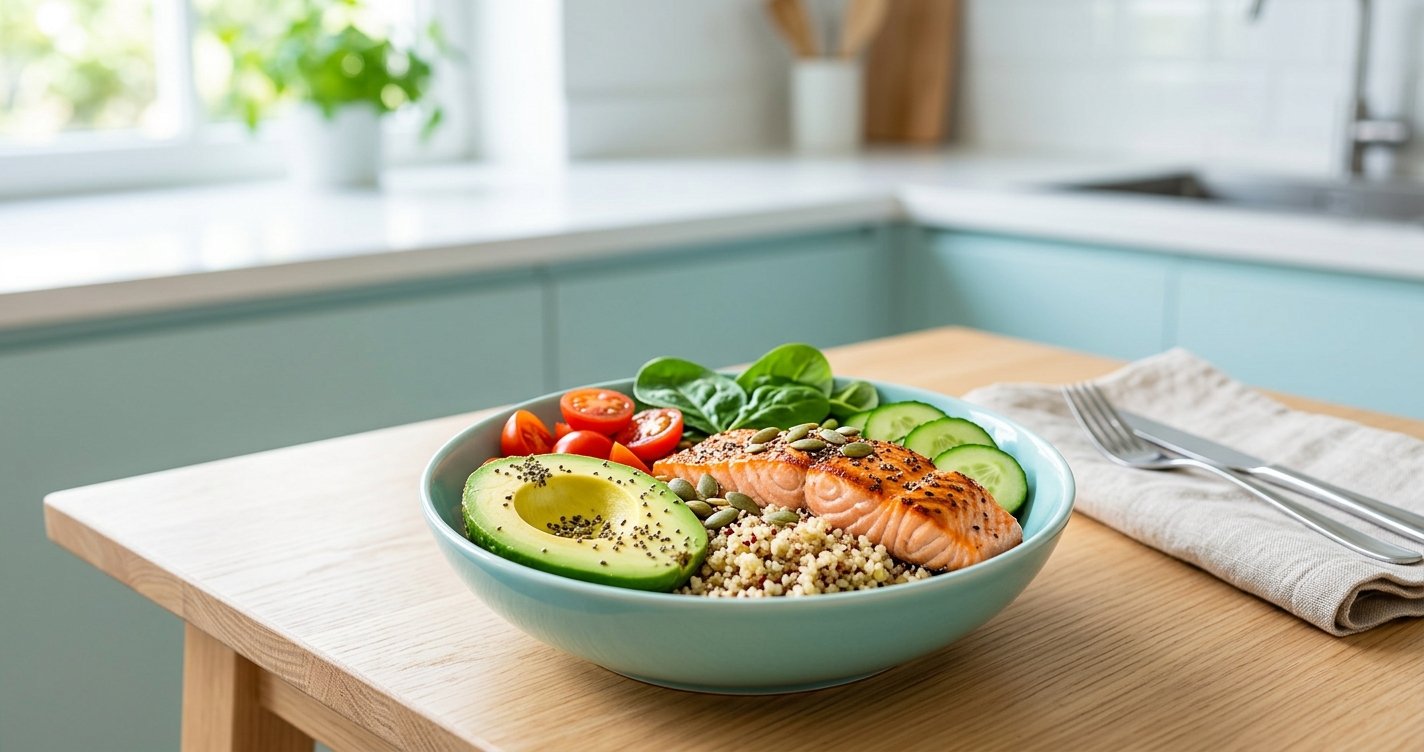
Tired of diet fads that promise the world but deliver fleeting results? You're not alone. Many people embark on a fat loss journey with enthusiasm, only to hit a wall of unsustainable restrictions and disappointment. The good news? Sustainable fat loss isn't about deprivation; it's about smart, evidence-based nutrition strategies that nourish your body, keep you feeling satisfied, and fit into your real life. This isn't a quick fix, but a blueprint for lasting success. Let's dive into how you can fuel your body for effective and maintainable fat loss, making health a habit, not a hardship.
The Foundation: A Smart Calorie Deficit (Not Too Much!)
At its core, fat loss boils down to one fundamental principle: consuming fewer calories than your body expends. This creates a 'calorie deficit,' forcing your body to tap into its stored fat reserves for energy. However, the key word here is 'smart.' Drastic calorie cuts might lead to rapid initial weight loss, but they're often unsustainable, can lead to nutrient deficiencies, muscle loss, and a sluggish metabolism. this excellent wellness product
Aim for a moderate deficit of 300-500 calories per day below your maintenance level. This allows for steady fat loss (typically 1-2 pounds per week) without feeling constantly starved or depriving your body of essential nutrients. You can estimate your maintenance calories using online calculators, but remember these are just starting points. Listen to your body and adjust as needed. Focus on nutrient-dense foods that provide volume and satiety for fewer calories.
Protein Power: Your Best Friend for Fat Loss
If there's one macronutrient that deserves superstar status in your fat loss journey, it's protein. Protein plays several crucial roles that make it invaluable:
- Satiety: Protein is incredibly filling. Including enough protein in your meals helps you feel fuller for longer, reducing the likelihood of overeating or snacking on less nutritious options.
- Muscle Preservation: When you're in a calorie deficit, your body can sometimes break down muscle tissue for energy. Adequate protein intake helps protect your precious muscle mass, which is vital for maintaining a healthy metabolism.
- Thermic Effect: Protein has a higher 'thermic effect of food' (TEF) than carbs or fats. This means your body expends more energy digesting and metabolizing protein, giving you a slight metabolic boost.
Aim for 0.7-1 gram of protein per pound of your target body weight daily. Excellent sources include lean meats (chicken, turkey, lean beef), fish, eggs, dairy (Greek yogurt, cottage cheese), legumes, and plant-based protein powders.
Embrace Fiber: The Satiety Superstar
Fiber is another unsung hero in the world of fat loss. Often found in whole plant foods, fiber works wonders for your digestive system and your waistline:
- Fullness Factor: Like protein, fiber adds bulk to your meals without adding many calories. It expands in your stomach, signaling to your brain that you're full, which helps control appetite.
- Blood Sugar Regulation: Soluble fiber, in particular, helps slow down the absorption of sugar into your bloodstream, preventing sharp spikes and crashes that can lead to cravings and energy dips.
- Gut Health: A healthy gut microbiome is increasingly linked to overall health and metabolism. Fiber acts as a prebiotic, feeding beneficial gut bacteria.
Incorporate plenty of fruits, vegetables, whole grains (oats, quinoa, brown rice), legumes (beans, lentils), and nuts/seeds into your daily diet. These foods are not only rich in fiber but also packed with essential vitamins and minerals.
Smart Carb and Healthy Fat Choices
Carbs: Not the Enemy, Just Choose Wisely
Carbohydrates have unfairly gotten a bad rap in many fat loss circles. The truth is, carbs are your body's preferred energy source, especially if you're active. The key is distinguishing between 'smart' carbs and 'empty' carbs.
- Complex Carbs: These are your friends. Found in whole grains, vegetables, and legumes, complex carbs are digested slowly, providing a sustained release of energy and keeping blood sugar stable.
- Simple Carbs: Found in sugary drinks, white bread, and pastries, these offer quick energy but often lead to energy crashes and increased hunger. Limit these for optimal fat loss.
Focus on whole, unprocessed carbohydrate sources to fuel your body and maintain energy levels without sabotaging your fat loss efforts.
Fats: Essential for Health and Satiety
Dietary fats are crucial for hormone production, nutrient absorption, and overall health. While they are calorie-dense, healthy fats contribute significantly to satiety and can prevent overeating later. The trick is moderation and choosing the right types of fats.
- Healthy Fats: Include sources like avocados, nuts, seeds, olive oil, and fatty fish (salmon, mackerel). These provide essential fatty acids and can help you feel satisfied after meals.
- Limit Unhealthy Fats: Minimize trans fats (found in many processed foods) and reduce excessive saturated fats.
Don't be afraid of healthy fats; just be mindful of portion sizes due to their caloric density.
Hydration: An Often Overlooked Ally
Water might not seem like a direct fat loss tool, but it plays a critical supporting role. Staying adequately hydrated can:
- Boost Metabolism: Water is essential for countless bodily functions, including metabolism. Even mild dehydration can slow things down.
- Reduce Hunger Cues: Sometimes, your body confuses thirst for hunger. Drinking a glass of water before meals can help you assess true hunger and prevent unnecessary snacking.
- Aid Digestion: Water helps fiber work effectively, promoting healthy digestion and regularity.
Aim to drink plenty of water throughout the day. Keep a water bottle handy, and consider infusing water with fruits or herbs if plain water feels boring.
Mindful Eating: Beyond the Macros
While macros and calories are important, how you eat is just as crucial as what you eat. Mindful eating practices can transform your relationship with food and significantly aid fat loss:
- Slow Down: Eat slowly and savor each bite. It takes about 20 minutes for your stomach to signal to your brain that it's full.
- Tune In to Hunger and Fullness: Learn to recognize your body's true hunger cues and stop eating when you're comfortably full, not stuffed.
- Eliminate Distractions: Eat away from screens and other distractions. Focus on your meal.
- Appreciate Your Food: Think about where your food came from and the effort involved in preparing it.
Mindful eating helps you enjoy your food more, prevents overeating, and fosters a healthier, more intuitive approach to nutrition.
Consistency and Patience: The Real Secret Sauce
Ultimately, sustainable fat loss isn't about perfection; it's about consistency. There will be days when you don't hit your protein target, or you indulge a little more than planned. That's okay! What matters is getting back on track with your healthy habits the next day.
Patience is also paramount. Fat loss is rarely linear. There will be plateaus, fluctuations, and moments of frustration. Trust the process, celebrate small victories, and focus on building habits that you can maintain for the long haul, not just until you reach a certain number on the scale. Remember, you're building a healthier, stronger you.
By implementing these evidence-based, friendly, and encouraging nutrition strategies, you're not just losing weight; you're cultivating a sustainable lifestyle that supports your health, energy, and well-being for years to come. Focus on nourishing your body, making smart choices, and being patient with yourself. Your journey to sustainable fat loss starts with these powerful, practical steps.