When you're aiming for fat loss, it's easy to get caught up in calorie counting and restrictive diets that leave you feeling hungry, deprived, and often lead to a rebound. But what if there was a powerful macronutrient that could make your journey smoother, more satisfying, and ultimately, more sustainable? Enter protein!
Protein isn't just for bodybuilders; it's a fundamental building block for everyone, playing a crucial role in everything from muscle repair to hormone production. When it comes to shedding unwanted body fat and maintaining a lean, healthy physique, protein is arguably your most valuable ally. This comprehensive guide will walk you through the science-backed reasons why protein is essential for sustainable fat loss and practical strategies to harness its power. this excellent wellness product
Why Protein is Your Best Friend for Fat Loss
Forget the fads and quick fixes. Understanding protein's unique benefits is key to a successful and lasting transformation. Let's dive into the science.
The Satiety Factor: Feeling Fuller, Longer
One of the biggest challenges with fat loss is managing hunger. Protein excels here. Compared to carbohydrates and fats, protein has the highest satiety index, meaning it keeps you feeling full and satisfied for longer periods. This is because protein influences appetite-regulating hormones like ghrelin (the hunger hormone) and GLP-1 (a satiety hormone), helping to reduce cravings and prevent overeating. Imagine fewer mid-afternoon snack attacks and more control over your portions – that’s the power of protein!
The Thermic Effect of Food (TEF): Burning More Calories Just by Eating
Did you know your body expends energy just to digest and process the food you eat? This is known as the Thermic Effect of Food (TEF), and protein has a significantly higher TEF than carbohydrates or fats. While fats require about 0-3% of their calories to be burned during digestion, and carbs around 5-10%, protein demands a whopping 20-30%. This means for every 100 calories of protein you consume, your body uses 20-30 of those calories just to break it down. It’s like a mini-workout for your digestive system, contributing to a slight but significant increase in your daily calorie expenditure.
Muscle Preservation: Protecting Your Metabolism
When you’re in a calorie deficit for fat loss, your body can sometimes break down muscle tissue for energy, not just fat. This is detrimental because muscle is metabolically active, meaning it burns more calories at rest than fat tissue does. A higher muscle mass translates to a faster metabolism. Adequate protein intake is crucial for preserving your precious muscle mass during fat loss, ensuring that the weight you lose is primarily fat, not muscle. This helps maintain a robust metabolism, making it easier to keep the fat off in the long run.
How Much Protein Do You Really Need for Fat Loss?
This is a common question, and the answer isn't a one-size-fits-all. While the Recommended Dietary Allowance (RDA) for protein is 0.8 grams per kilogram of body weight for general health, this amount is often insufficient for optimal fat loss and muscle preservation, especially for active individuals.
General Guidelines vs. Individual Needs
For fat loss, research generally suggests a higher protein intake. A good starting point for most active individuals aiming to lose fat is between 1.6 to 2.2 grams of protein per kilogram (or 0.7 to 1.0 grams per pound) of your target body weight or lean body mass. For example, if your target weight is 70 kg (about 154 lbs), you'd aim for roughly 112-154 grams of protein per day.
The "Sweet Spot" for Active Individuals
If you're regularly engaging in strength training or intense physical activity, your protein needs might be at the higher end of this range (closer to 2.0-2.2 g/kg). This increased intake supports muscle repair and growth, further aiding your fat loss efforts by boosting your metabolism. Don't be afraid to experiment within this range to find what makes you feel best and yields the best results.
Smart Strategies to Boost Your Protein Intake
Knowing you need more protein is one thing; actually consuming it consistently is another. Here are practical ways to integrate more protein into your daily diet.
Prioritize Protein at Every Meal
Make protein the star of your plate. Instead of thinking of it as a side dish, build your meals around a quality protein source. Aim for at least 20-40 grams of protein at each main meal (breakfast, lunch, and dinner). This strategy helps with satiety throughout the day and ensures a consistent supply of amino acids for muscle maintenance.
Smart Snacking Choices
Ditch the sugary, refined snacks. When hunger strikes between meals, reach for protein-rich options. Think Greek yogurt, cottage cheese, a handful of almonds, hard-boiled eggs, or a small protein shake. These snacks will keep you full and satisfied until your next meal, preventing energy crashes and poor food choices.
The Role of Protein Supplements (and When They're Useful)
While whole foods should always be your primary source of nutrition, protein supplements can be a convenient and effective tool to help you meet your daily protein targets, especially when time is tight or you have higher needs. Whey protein, casein protein, and plant-based proteins (like pea or rice protein) are popular options. They are particularly useful post-workout for recovery or as a quick, portable snack. However, remember they are meant to supplement, not replace, nutrient-dense whole foods.
Delicious & Diverse Protein Sources
Eating enough protein doesn't have to be bland or boring. There's a vast array of delicious options to keep your meals exciting.
Animal-Based Proteins: Lean & Complete
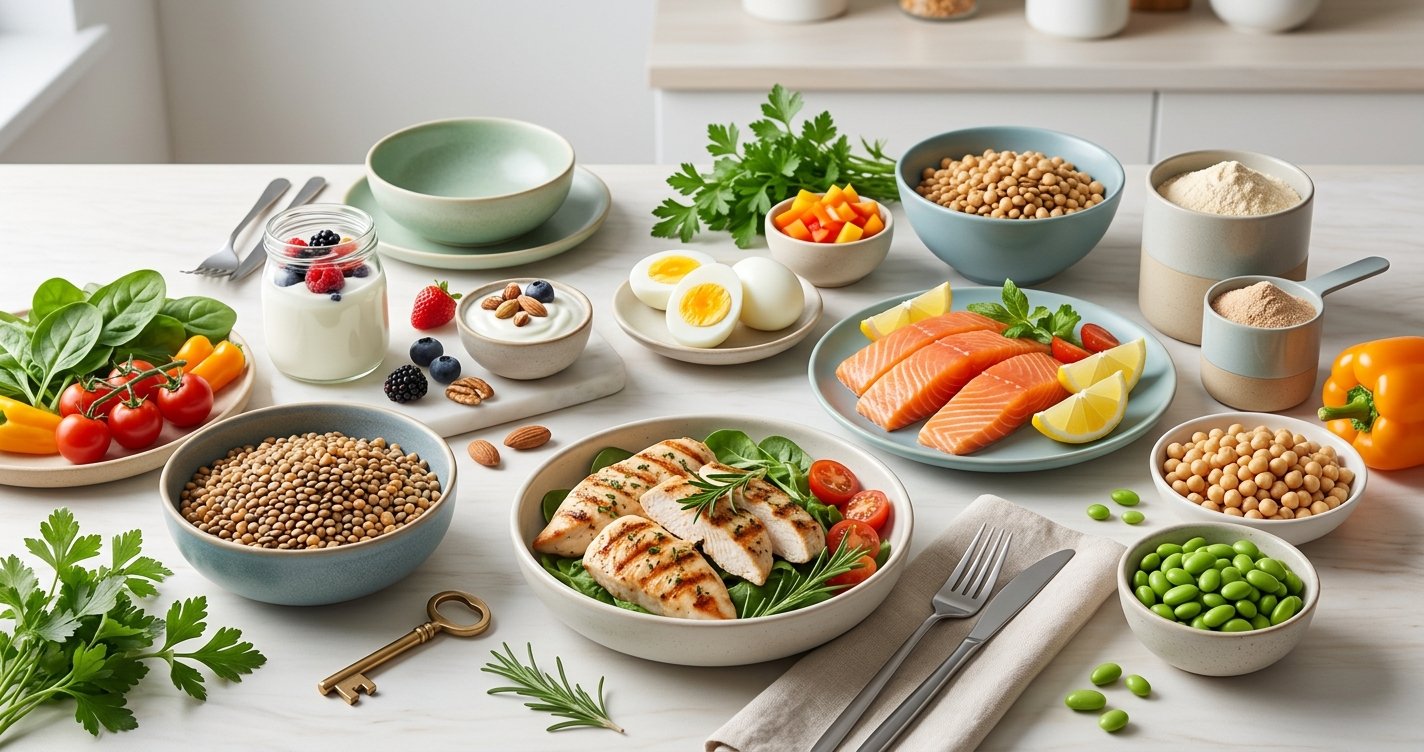
Animal sources are known as 'complete proteins' because they contain all nine essential amino acids your body can't produce. Excellent choices include:
- Lean Meats: Chicken breast, turkey, lean beef cuts (sirloin, round), pork loin.
- Fish and Seafood: Salmon (rich in omega-3s!), cod, tuna, shrimp, scallops.
- Eggs: The incredible, versatile egg is a powerhouse of protein and nutrients.
- Dairy: Greek yogurt, cottage cheese, milk, kefir.
Plant-Based Proteins: A Growing Powerhouse
For those following a plant-based diet or simply wanting to diversify, there are fantastic protein sources available:
- Legumes: Lentils, chickpeas, black beans, kidney beans.
- Soy Products: Tofu, tempeh, edamame.
- Grains: Quinoa (a complete protein!), oats, whole wheat pasta.
- Nuts and Seeds: Almonds, peanuts, chia seeds, flax seeds, pumpkin seeds.
- Nutritional Yeast: A cheesy-flavored seasoning with a good protein punch.
Beyond Chicken Breast: Exploring New Options
Don't get stuck in a rut! Experiment with different cuts of meat, types of fish, and plant-based options. Try grilling salmon, making a lentil soup, adding edamame to salads, or blending cottage cheese into a smoothie. Variety ensures you get a broader spectrum of nutrients and keeps your taste buds happy.
Common Protein Myths Debunked
Misinformation can often derail good intentions. Let's clear up some common misconceptions about protein.
"Too Much Protein is Bad for Your Kidneys"
This is a persistent myth. For healthy individuals with normal kidney function, there is no scientific evidence to suggest that a high protein intake (even up to 2.2 g/kg) causes kidney damage. Studies have repeatedly shown that high protein diets are safe and effective for fat loss and muscle building in healthy adults. If you have pre-existing kidney disease, however, it's crucial to consult your doctor or a registered dietitian for personalized dietary advice.
"Protein Makes You Bulky"
This concern, often voiced by women, is largely unfounded. Building significant muscle mass requires a very specific combination of intense strength training, a calorie surplus, and often, specific hormonal profiles (like higher testosterone) that are typically not present in women. Eating adequate protein will help you develop a toned, lean physique and preserve muscle during fat loss, not make you "bulky."
Integrating Protein into Your Lifestyle for Lasting Results
Sustainable fat loss isn't about short-term fixes; it's about building habits that last a lifetime. Making protein a priority is one such habit.
Meal Planning & Preparation Made Easy
The key to consistent protein intake is planning. Dedicate some time each week to plan your meals and snacks. Prepare protein sources in bulk, such as baking a large batch of chicken breasts or hard-boiling eggs. This makes healthy eating effortless during busy weekdays. Having readily available protein options drastically reduces the temptation for less healthy choices.
Listening to Your Body & Adjusting
While guidelines are helpful, ultimately, you know your body best. Pay attention to how different protein sources and amounts make you feel. Are you satisfied after meals? Do you have sustained energy? Adjust your intake based on your activity levels, hunger cues, and how your body responds. Fat loss is a journey of self-discovery, and protein is a powerful tool to guide you.
Start Your Protein-Powered Fat Loss Journey Today!
Optimizing your protein intake is one of the most effective and evidence-based strategies for sustainable fat loss. It helps you feel fuller, burns more calories during digestion, and protects your metabolism by preserving muscle. By prioritizing protein at every meal, making smart snack choices, and exploring diverse sources, you'll be well on your way to achieving your fat loss goals and maintaining a healthier, stronger you for the long run.
So, ditch the deprivation and embrace the power of protein. Your body will thank you!