Unlock Sustainable Fat Loss: The Ultimate Guide to Optimizing Your Protein Intake
Are you on a journey to shed those extra pounds, feeling like you’ve tried everything, but the scale just won’t budge? Or maybe you’ve lost weight only to see it creep back on? If so, you’re not alone. The world of fat loss can be confusing, filled with conflicting advice and quick fixes that rarely deliver lasting results. But what if there was one key nutritional component that could significantly boost your efforts, help you feel fuller, protect your precious muscle, and even burn more calories? Good news: there is! And it’s called protein.
Often overlooked or misunderstood, protein is more than just for bodybuilders. It's an absolute powerhouse when it comes to sustainable fat loss. In this comprehensive guide, we'll dive deep into why protein is your secret weapon, how much you truly need, and practical, evidence-based strategies to optimize your intake for long-term success. Get ready to transform your fat loss journey! this excellent wellness product
Why Protein is Your Secret Weapon for Fat Loss
Let's break down the science-backed reasons why prioritizing protein is a game-changer for anyone looking to lose fat effectively and sustainably.
The Satiety Factor: Feeling Fuller, Longer
One of the biggest challenges in a fat loss journey is managing hunger and cravings. This is where protein shines! Protein is renowned for its ability to promote satiety – that wonderful feeling of fullness and satisfaction after a meal. Compared to carbohydrates and fats, protein takes longer to digest, signaling to your brain that you've had enough. This means fewer hunger pangs, reduced snacking, and an easier time adhering to the necessary calorie deficit for fat loss.
Muscle Preservation: Protecting Your Metabolism
When you lose weight, you want to lose fat, not muscle. Unfortunately, traditional dieting often leads to a loss of both. This is problematic because muscle tissue is metabolically active, meaning it burns more calories at rest than fat tissue. Losing muscle can slow down your metabolism, making it harder to continue losing weight and easier to regain it. Adequate protein intake, especially when combined with strength training, is crucial for preserving muscle mass during a calorie deficit. This keeps your metabolism humming, ensuring that the weight you lose is primarily fat.
The Thermic Effect: Burning More Calories Just by Eating
Did you know that your body expends energy just to digest, absorb, and metabolize the food you eat? This is known as the Thermic Effect of Food (TEF). Protein has the highest TEF of all macronutrients, meaning your body burns significantly more calories processing protein (20-30% of its caloric value) compared to carbohydrates (5-10%) or fats (0-3%). While it might not sound like a huge number, these extra calories burned add up over time, giving you a slight metabolic advantage in your fat loss efforts.
How Much Protein Do You REALLY Need? (The Evidence-Based Approach)
This is where many people get confused. The recommended daily allowance (RDA) for protein is often cited as 0.8 grams per kilogram (g/kg) of body weight. However, this is simply the minimum to prevent deficiency, not necessarily optimal for fat loss or active individuals.
General Guidelines vs. Individual Needs
For sustainable fat loss, research consistently suggests a higher protein intake. A good general starting point for most active individuals or those aiming for fat loss is typically in the range of 1.6 to 2.2 grams of protein per kilogram of body weight per day. If you're very active, engaging in intense strength training, or have a higher body mass, you might even benefit from slightly higher amounts, up to 2.5 g/kg.
To put this into perspective:
- A person weighing 70 kg (approx. 154 lbs) would aim for 112 to 154 grams of protein per day.
- A person weighing 90 kg (approx. 198 lbs) would aim for 144 to 198 grams of protein per day.
Don't get too caught up in hitting an exact number every single day. The goal is consistency over time.
The Role of Activity Level and Goals
Your activity level plays a significant role. Someone sedentary will have different needs than an endurance athlete or a weightlifter. If you're regularly hitting the gym, lifting weights, or participating in strenuous activities, your protein requirements will be on the higher end of the spectrum to support muscle repair and growth, which in turn aids fat loss.
Smart Strategies to Boost Your Protein Intake
Now that you know why and how much, let's talk about the practical application. Integrating more protein into your diet doesn't have to be complicated or bland.
Prioritize Protein at Every Meal
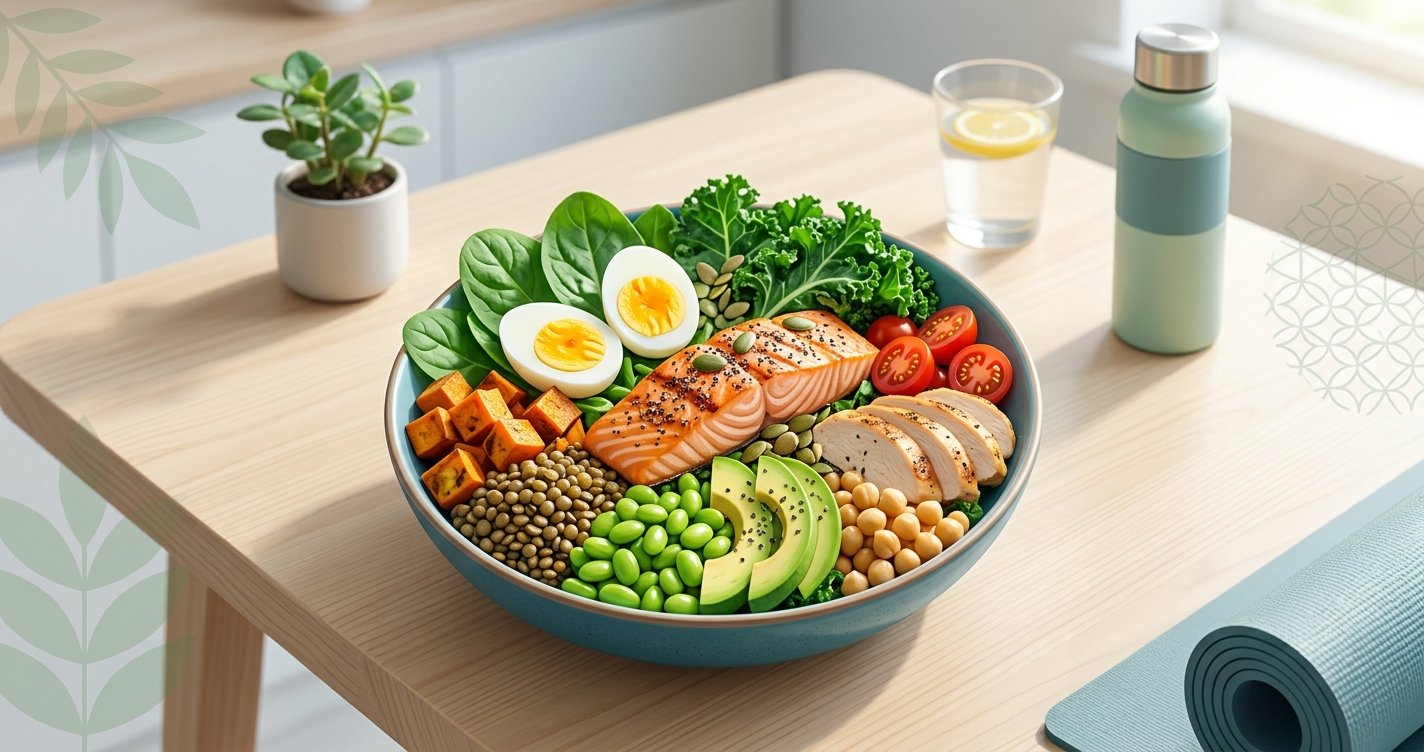
Instead of thinking of protein as an afterthought, make it the star of your plate. Aim for 20-40 grams of protein at each main meal. Examples include:
- Breakfast: Scrambled eggs (2 eggs = ~12g), Greek yogurt (~15-20g per cup), cottage cheese (~25g per cup), protein smoothie.
- Lunch: Chicken breast salad (~30-40g), tuna sandwich (~20-30g), lentil soup (~15-20g), lean ground beef stir-fry.
- Dinner: Salmon fillet (~30-40g), lean steak (~30-40g), tofu stir-fry (~20-30g), turkey chili.
Smart Snacking Choices
Ditch the sugary snacks and opt for protein-rich alternatives to keep you full between meals and prevent overeating at your next meal:
- A handful of almonds or walnuts
- Hard-boiled eggs
- String cheese
- Edamame
- Protein bar (check sugar content)
- Greek yogurt
- Jerky or biltong
Consider Protein Supplements (When and Why)
While whole food sources should always be your primary focus, protein supplements like whey, casein, or plant-based protein powders can be incredibly convenient, especially for busy individuals or to quickly boost intake after a workout. They are not magic pills, but effective tools to help you hit your daily protein targets without adding excessive calories from other macros.
Meal Planning and Preparation
Failing to plan is planning to fail, especially with nutrition. Dedicate some time each week to plan your meals and snacks. Cook larger batches of protein sources like chicken breast, hard-boiled eggs, or lentils that you can easily add to various meals throughout the week. This reduces the likelihood of reaching for less nutritious, low-protein options when hunger strikes.
Dispelling Protein Myths & Common Mistakes
There's a lot of misinformation out there about protein. Let's clear up some common concerns.
"Too Much Protein is Bad for Your Kidneys" (Evidence-based debunking)
This is a pervasive myth. For healthy individuals with normal kidney function, there is no scientific evidence to suggest that a high-protein diet causes kidney damage. Studies have consistently shown that higher protein intakes are safe. However, if you have pre-existing kidney disease, it’s crucial to consult with your doctor or a registered dietitian before significantly increasing your protein intake.
"Protein Makes You Bulky" (Especially for Women)
Another common misconception, particularly among women, is that eating more protein will automatically lead to a bulky physique. This is simply not true. Building significant muscle mass requires a specific training regimen, often a caloric surplus, and specific hormonal profiles (like higher testosterone) that most women do not naturally possess. Protein supports lean muscle development, which creates a toned, strong, and metabolically efficient body, not a bulky one.
Neglecting Protein Quality
Not all protein is created equal. Aim for a variety of high-quality, complete protein sources that provide all essential amino acids. These include:
- Animal sources: Lean meats (chicken, turkey, beef), fish, eggs, dairy (milk, yogurt, cheese).
- Plant sources: Quinoa, soy products (tofu, tempeh, edamame), lentils, beans, chickpeas, nuts, seeds. Combining different plant proteins throughout the day (e.g., rice and beans) can ensure you get all essential amino acids.
Making it Sustainable: Practical Tips for Long-Term Success
Optimizing protein is a powerful strategy, but like any dietary change, it needs to be sustainable for lasting results.
Listen to Your Body
Pay attention to how different protein sources and amounts make you feel. Do you feel satisfied? Energized? Or perhaps a little heavy? Adjust your choices based on your body's feedback. There’s no one-size-fits-all, so personalize your approach.
Variety is Key
Don't stick to just chicken and broccoli. Explore a wide range of protein sources to ensure you're getting a diverse array of nutrients and to keep your meals exciting. Experiment with different spices, cooking methods, and cuisines.
Track and Adjust
Especially in the beginning, tracking your protein intake for a few days can be incredibly insightful. Use a food tracking app to see where you currently stand and identify opportunities to increase your intake. Once you get a feel for what adequate protein looks like on your plate, you might not need to track as diligently.
Conclusion
Optimizing your protein intake isn't just another fad diet; it's a fundamental, evidence-based strategy for achieving sustainable fat loss and improving overall health. By harnessing protein's power to increase satiety, preserve muscle, and boost your metabolism, you're setting yourself up for success that goes far beyond just the numbers on the scale.
Remember, this is a journey, not a race. Be patient, be consistent, and be kind to yourself. Start by making small, actionable changes to prioritize protein in your meals and snacks. Soon, you'll be feeling fuller, stronger, and more in control of your fat loss goals. You've got this!