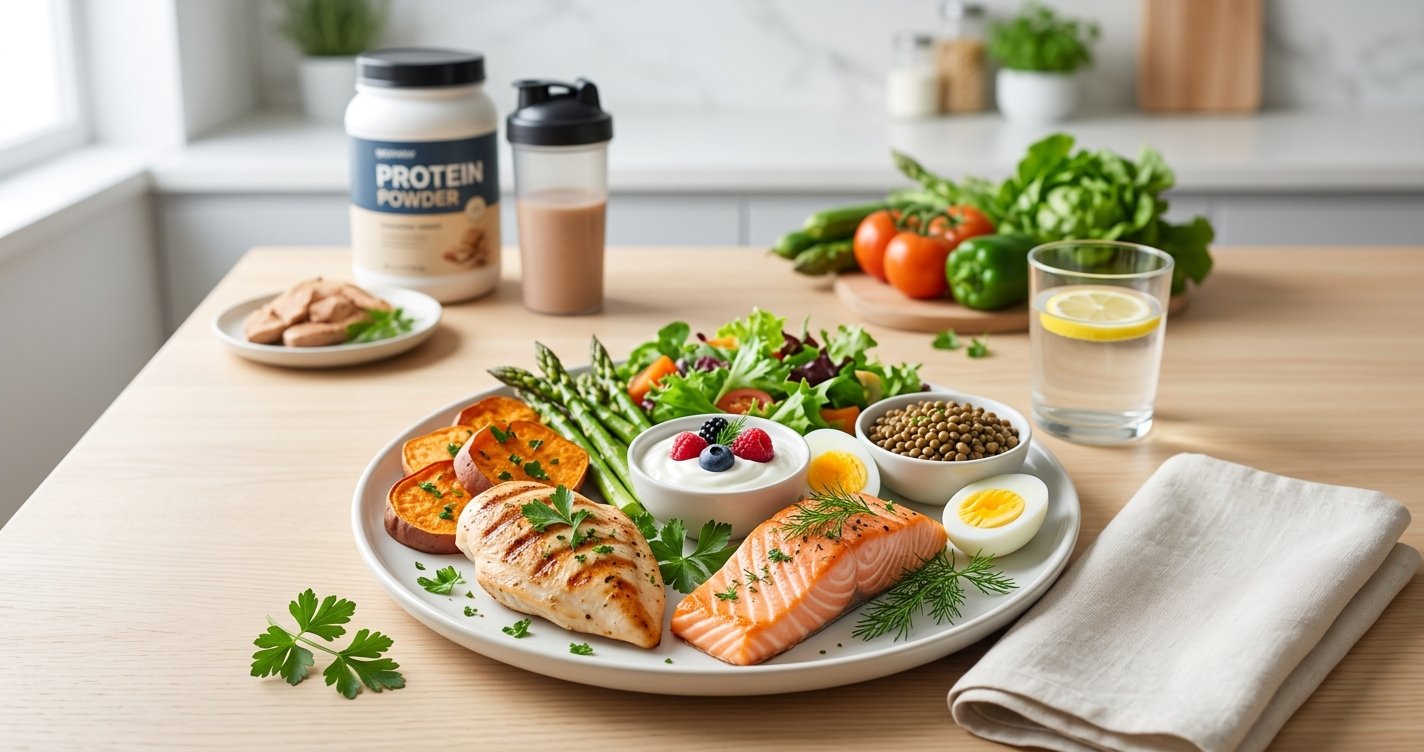
Optimize Your Protein: The Secret Weapon for Sustainable Fat Loss
Are you on a journey to shed those extra pounds and achieve a leaner, healthier body? If you've been counting calories, hitting the gym, and still feel like something's missing, it might be time to take a closer look at your protein intake. Often hailed as the building block of muscles, protein is much more than just a gym-goer's fuel. It's a powerful, often underestimated, ally in your quest for sustainable fat loss.
Forget the restrictive diets and endless cardio for a moment. What if a simple, evidence-based adjustment to your daily nutrition could significantly boost your metabolism, keep you feeling full, and protect your precious muscle mass? That's the magic of optimizing your protein intake. In this friendly, evidence-based guide, we'll dive deep into why protein is your fat loss MVP and how you can easily incorporate more of it into your life without feeling deprived. this excellent wellness product
Why Protein is Your Fat Loss MVP (Most Valuable Player)
Protein isn't just about big biceps; it plays several critical roles that make it indispensable for effective fat loss. Let's break down its superpowers:
The Thermic Effect of Food (TEF): Burn More Calories Just By Eating!
Did you know your body burns calories just to digest, absorb, and metabolize the food you eat? This is known as the Thermic Effect of Food (TEF). Protein has the highest TEF compared to carbohydrates and fats. Roughly 20-30% of the calories you consume from protein are used in this digestive process, versus 5-10% for carbs and 0-3% for fats. This means a higher protein intake subtly increases your daily calorie expenditure, giving you a metabolic edge without extra effort!
Satiety and Appetite Control: Tame Those Cravings
One of the biggest challenges in any fat loss journey is battling hunger and cravings. This is where protein truly shines. Protein is incredibly satiating, meaning it keeps you feeling fuller for longer. It does this by influencing hormones like ghrelin (the hunger hormone) and GLP-1 (a satiety hormone). When you're consistently full and satisfied, you're less likely to reach for unhealthy snacks, overeat at meals, or succumb to emotional eating. This makes adhering to a calorie deficit much easier and more enjoyable.
Muscle Preservation: Protect Your Metabolism
When you're in a calorie deficit to lose weight, your body doesn't always discriminate between fat and muscle. Without sufficient protein and proper resistance training, you risk losing valuable muscle mass along with fat. Why is this a problem? Muscle is metabolically active tissue, meaning it burns more calories at rest than fat does. Losing muscle can slow down your metabolism, making it harder to lose weight and easier to regain it. A higher protein intake helps signal to your body to preserve muscle tissue, ensuring that the weight you lose is primarily fat, leading to a leaner, more toned physique and a more robust metabolism.
How Much Protein Do You Really Need for Fat Loss?
While the standard Recommended Dietary Allowance (RDA) for protein is 0.8 grams per kilogram of body weight, this is often considered the minimum to prevent deficiency, not the optimal amount for active individuals or those aiming for fat loss. For fat loss, research suggests a higher intake is beneficial.
General Guidelines:
- Sedentary Individuals: Around 1.2-1.6 grams of protein per kilogram of body weight (0.5-0.7 grams per pound).
- Active Individuals or Those in a Calorie Deficit: Aim for 1.6-2.2 grams of protein per kilogram of body weight (0.7-1.0 grams per pound of target body weight).
For example, if you weigh 70 kg (about 154 lbs) and are actively trying to lose fat, you might aim for 112-154 grams of protein per day. This might sound like a lot, but it's entirely achievable with smart food choices.
Factors Influencing Your Needs:
- Activity Level: The more active you are, especially with strength training, the more protein your muscles need for repair and growth.
- Age: As we age, our bodies become less efficient at utilizing protein, making a higher intake important to prevent muscle loss (sarcopenia).
- Body Composition Goals: If you're aiming for significant fat loss while preserving or even building muscle, leaning towards the higher end of the recommended range is wise.
Smart Strategies to Boost Your Protein Intake
Increasing your protein doesn't have to be complicated or boring. Here are some practical, friendly ways to effortlessly integrate more protein into your daily routine:
Prioritize Protein at Every Meal
Instead of thinking of protein as an afterthought, make it the star of your plate. Aim for 20-40 grams of protein at each main meal (breakfast, lunch, and dinner). This even distribution helps with muscle protein synthesis throughout the day and keeps hunger at bay.
- Breakfast: Scrambled eggs with spinach, Greek yogurt with berries and a sprinkle of nuts, cottage cheese, or a protein smoothie.
- Lunch: Chicken salad, lentil soup, leftover lean meat and veggies, or a turkey and avocado wrap.
- Dinner: Baked salmon with roasted vegetables, lean ground beef stir-fry, or a chickpea curry.
Lean Protein Sources: Variety is Key!
Embrace a diverse range of protein sources to ensure you're getting all essential amino acids and a variety of nutrients.
- Animal Sources: Lean beef, chicken breast, turkey, fish (salmon, tuna, cod), eggs, Greek yogurt, cottage cheese.
- Plant-Based Sources: Lentils, beans (black, kidney, chickpeas), tofu, tempeh, edamame, quinoa, nuts, seeds, nutritional yeast, plant-based protein powders.
Smart Snacking: Make Your Snacks Count
If you find yourself getting hungry between meals, opt for protein-rich snacks instead of empty calories. This helps maintain satiety and prevents overeating later.
- Hard-boiled eggs
- A handful of almonds or walnuts
- Cottage cheese with fruit
- Greek yogurt
- A small protein shake
- Turkey jerky (low sodium)
Consider Supplements (When Appropriate)
While whole foods should always be your primary source of nutrients, protein supplements can be a convenient and effective way to meet your daily protein targets, especially if you're very active or struggle to eat enough whole foods. Whey protein, casein protein, or plant-based protein powders are popular choices. They're great for post-workout recovery or as a quick snack.
Putting It All Together: A Day of Protein-Powered Eating (Example)
Let's visualize how you might structure your meals to hit around 120-150 grams of protein in a day:
- Breakfast (30g protein): 3 scrambled eggs (18g) with 1/2 cup cottage cheese (14g).
- Snack (15g protein): 1 cup plain Greek yogurt (20g).
- Lunch (35g protein): 4oz grilled chicken breast (35g) over a large salad with light vinaigrette.
- Pre-Workout/Afternoon Snack (20g protein): Protein shake (20-25g).
- Dinner (40g protein): 5oz baked salmon (35g) with steamed broccoli and quinoa.
This is just an example, and your specific needs and preferences will dictate your exact meal plan. The key is consistent, mindful protein incorporation.
Common Protein Myths Debunked
Let's address a couple of common misconceptions that might be holding you back:
Myth: "Too much protein is bad for your kidneys."
Fact: For healthy individuals with no pre-existing kidney disease, there is extensive research showing that a high protein intake (even up to 2.2-3.4 g/kg body weight) is safe and does not negatively impact kidney function. If you have pre-existing kidney conditions, always consult your doctor or a registered dietitian.
Myth: "Protein will make me bulky."
Fact: Protein is essential for muscle repair and growth, but becoming "bulky" requires a significant calorie surplus, intense weight training, and often, specific genetic predispositions. For most people, a high-protein diet within a calorie deficit will lead to a leaner, more toned physique, not excessive bulk.
Beyond the Plate: The Holistic Approach
While optimizing protein intake is incredibly powerful for fat loss, remember it's one piece of a larger puzzle. For the most sustainable and effective results, combine your protein strategy with:
- Strength Training: Lifting weights helps build and preserve muscle, further boosting your metabolism.
- Overall Calorie Awareness: Protein helps with satiety, but you still need to be in a modest calorie deficit to lose fat.
- Adequate Sleep: Poor sleep can disrupt hormones that regulate hunger and fat storage.
- Stress Management: Chronic stress can lead to increased cortisol levels, which can hinder fat loss.
- Hydration: Drinking enough water supports metabolism and satiety.
Your Protein-Powered Path to Fat Loss
Embracing a higher protein diet is a game-changer for anyone serious about sustainable fat loss. It's not about deprivation; it's about nourishing your body with the fuel it needs to thrive, feel full, and burn fat more efficiently. By making protein a priority in your meals and snacks, you'll be harnessing its incredible power to boost your metabolism, curb your hunger, and preserve your vital muscle mass. Start small, be consistent, and you'll soon discover that protein isn't just a nutrient; it's your secret weapon for unlocking a leaner, stronger, and more confident you. You've got this!