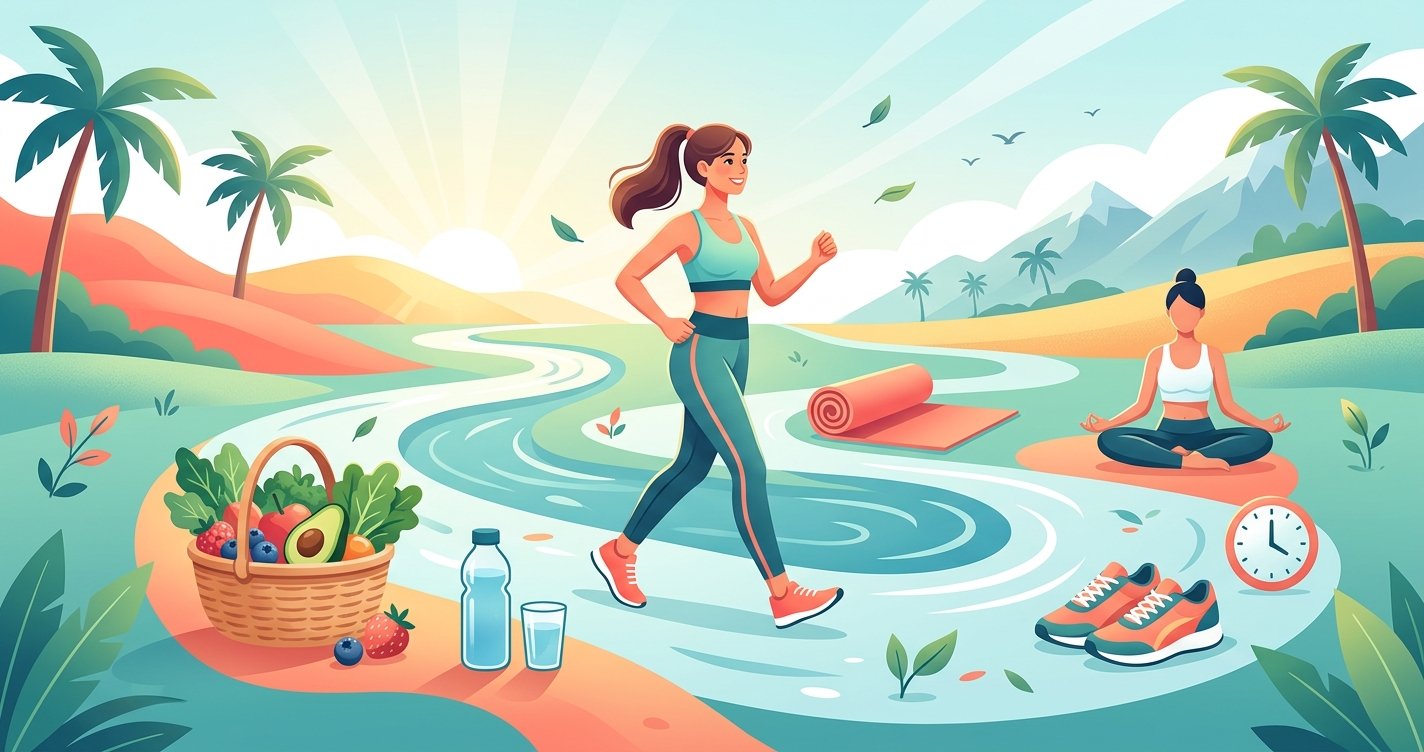
Are you tired of the endless cycle of restrictive diets, quick fixes, and the inevitable rebound? Many people embark on a fat loss journey hoping for rapid results, only to find themselves stuck in a frustrating yo-yo pattern. The truth is, sustainable fat loss isn't about deprivation; it's about building healthy, consistent habits that nourish your body and mind for the long haul. This guide will walk you through an evidence-based, encouraging approach to achieving and maintaining your fat loss goals without sacrificing your well-being.
Why "Quick Fixes" Don't Last: Understanding the Yo-Yo Cycle
The allure of a rapid transformation is strong. Promises of shedding pounds in days or weeks often lead people down the path of extreme diets, excessive cardio, or costly supplements. While these methods might deliver initial weight loss, they are rarely sustainable. Here's why: this excellent wellness product
- Metabolic Adaptation: Severely restricting calories can slow down your metabolism, making it harder to lose weight and easier to regain it once you return to normal eating patterns.
- Nutrient Deficiencies: Restrictive diets often lack essential nutrients, leading to fatigue, poor mood, and cravings.
- Psychological Burnout: The constant feeling of deprivation and the strict rules of many diets can lead to mental exhaustion, eventually causing you to give up and revert to old habits, often with added weight.
- Muscle Loss: Rapid weight loss, especially without adequate protein intake and strength training, often results in significant muscle loss, which further impairs your metabolism.
True, sustainable fat loss focuses on gradual, consistent progress that respects your body's natural processes and fosters a positive relationship with food and exercise.
The Cornerstone of Sustainable Fat Loss: Balanced Nutrition
Forget the idea of 'good' and 'bad' foods. Instead, focus on a balanced, whole-food approach that provides your body with the fuel it needs to thrive and shed fat effectively. This isn't a diet; it's a lifestyle shift.
Protein Power: Your Muscle-Preserving Ally
Protein is crucial for fat loss. It helps you feel full, reduces cravings, and, most importantly, preserves muscle mass during a calorie deficit. Muscles are metabolically active, meaning they burn more calories at rest. Aim for a lean protein source with every meal.
- Sources: Chicken breast, turkey, lean beef, fish, eggs, Greek yogurt, lentils, beans, tofu.
Smart Carbs: Fueling Your Body, Not Just Storing It
Carbohydrates are not the enemy! They provide essential energy for your workouts and daily functions. The key is choosing complex carbohydrates rich in fiber over refined sugars and processed grains.
- Sources: Whole grains (oats, brown rice, quinoa), sweet potatoes, fruits, vegetables.
Healthy Fats: Essential for Hormones and Satiety
Healthy fats are vital for hormone production, nutrient absorption, and keeping you feeling satisfied. While calorie-dense, they play a critical role in a balanced diet. Focus on unsaturated fats.
- Sources: Avocados, nuts, seeds, olive oil, fatty fish (salmon, mackerel).
Fiber: The Unsung Hero of Weight Management
Fiber-rich foods help you feel full, regulate blood sugar levels, and support digestive health. They are often found in complex carbohydrates and vegetables.
- Sources: Vegetables, fruits, whole grains, legumes.
Moving Beyond the Scale: Incorporating Smart Movement
Exercise isn't just about burning calories; it's about building a stronger, healthier body that is more efficient at burning fat. A balanced approach combines strength training with cardiovascular activity.
Strength Training: Building a Fat-Burning Machine
Resistance training is arguably the most powerful tool for fat loss. Building muscle increases your basal metabolic rate, meaning you burn more calories even when at rest. It also sculpts your body and improves overall strength and functional fitness.
- Goal: 2-4 sessions per week, focusing on compound movements (squats, deadlifts, presses, rows).
Cardio: Heart Health and Calorie Burn
Cardiovascular exercise is excellent for heart health, improving endurance, and creating a calorie deficit. Don't feel you need to run for hours; a mix of steady-state and high-intensity interval training (HIIT) can be very effective.
- Goal: 150-300 minutes of moderate-intensity cardio or 75-150 minutes of vigorous-intensity cardio per week.
The Unseen Pillars: Sleep, Stress, and Hydration
These often-overlooked factors play a massive role in your body's ability to lose fat and maintain health.
The Power of Sleep: Rest for Results
Lack of sleep disrupts hormones that regulate appetite (ghrelin and leptin), making you hungrier and more prone to cravings. It also impacts your energy levels for workouts and your body's ability to recover.
- Goal: Aim for 7-9 hours of quality sleep per night.
Taming Stress: Cortisol's Role in Fat Storage
Chronic stress elevates cortisol levels, a hormone that can promote fat storage, particularly around the abdomen. Finding healthy ways to manage stress is crucial for overall well-being and fat loss.
- Strategies: Meditation, yoga, spending time in nature, hobbies, deep breathing exercises.
Hydration: Simple Yet Profound
Water is essential for every bodily function, including metabolism. Staying well-hydrated can also help you feel fuller, reduce snacking, and improve exercise performance.
- Goal: Drink plenty of water throughout the day; listen to your body's thirst cues.
Cultivating a Mindset for Lasting Success
Your mental approach to fat loss is just as important as your physical actions.
Mindful Eating: Listening to Your Body
Instead of rigid rules, practice mindful eating. Pay attention to your hunger and fullness cues, savor your food, and eat without distractions. This helps you build a healthier relationship with food and avoid overeating.
Patience and Consistency: Your Best Tools
Fat loss is a journey, not a race. There will be good days and challenging days. Celebrate small victories, learn from setbacks, and remember that consistency over time is what truly delivers lasting results. Avoid comparing your journey to others.
Your Action Plan: Small Steps, Big Impact
Sustainable fat loss isn't about perfection; it's about progress. Instead of overhauling everything at once, pick one or two areas to focus on each week. Here's a quick recap to get you started on your path to lasting change:
- Prioritize lean protein and fiber-rich foods at every meal.
- Choose complex carbohydrates and healthy fats.
- Incorporate strength training 2-4 times a week.
- Engage in regular cardiovascular exercise.
- Aim for 7-9 hours of quality sleep.
- Practice stress-reduction techniques.
- Stay well-hydrated throughout the day.
- Cultivate a mindful and patient approach to your journey.
Embrace the process, be kind to yourself, and trust that by building these sustainable habits, you're not just losing fat; you're gaining a healthier, happier, and more vibrant life. Your body will thank you for it!