Tired of the endless cycle of restrictive diets, quick fixes, and disappointing results when it comes to fat loss? You're not alone. Many people get caught in the trap of focusing solely on calorie counting, only to find themselves hungry, deprived, and eventually, frustrated. What if we told you there’s a more empowering, sustainable, and effective path?
Welcome to the world of optimizing your plate! Sustainable fat loss isn't just about eating less; it's about eating smarter. It's about understanding how certain nutrients can work *with* your body to boost satiety, preserve muscle, and keep your metabolism humming. Today, we're diving deep into the power players: protein and fiber, alongside other smart choices that can transform your fat loss journey from a struggle into a success story. this excellent wellness product
The Calorie Conundrum: Understanding the Foundation of Fat Loss
It Starts with a Deficit (But Don't Obsess!)
Let's get one thing straight: at its core, fat loss requires a calorie deficit. This simply means consuming fewer calories than your body burns. When this happens, your body taps into its stored fat for energy. It's a fundamental principle, and there's no getting around it.
However, the mistake many make is viewing this as a rigid, painful math equation. While knowing your approximate calorie needs is helpful, obsessing over every single calorie can lead to burnout and an unhealthy relationship with food. The goal isn't just a deficit; it's a *sustainable* deficit fueled by nutrient-dense foods.
The Quality of Calories Matters More Than You Think
Think about it: 500 calories of potato chips is vastly different from 500 calories of grilled chicken, vegetables, and a handful of almonds. Both are 500 calories, but their impact on your body, hunger levels, and overall health couldn't be more distinct.
- Satiety: Nutrient-dense foods keep you feeling full and satisfied for longer, reducing the likelihood of overeating.
- Nutrient Delivery: They provide essential vitamins, minerals, and antioxidants crucial for all bodily functions, including metabolism.
- Metabolic Impact: Different macronutrients (protein, carbs, fats) have varying effects on your metabolism and hormone regulation.
Focusing on the quality of your calories empowers you to create a deficit without feeling constantly deprived. This is where protein and fiber truly shine!
Protein: Your Fat Loss Powerhouse
Why Protein is Non-Negotiable for Fat Loss
If there's one macronutrient to prioritize for fat loss, it's protein. Here's why:
- Superior Satiety: Protein is the most satiating macronutrient. It helps reduce hunger and keeps you feeling full for longer, making it easier to stick to your calorie goals without constant cravings.
- High Thermic Effect of Food (TEF): Your body expends energy to digest, absorb, and metabolize food. Protein has the highest TEF, meaning you burn more calories digesting protein than you do carbohydrates or fats. This gives you a slight metabolic advantage.
- Muscle Preservation: When you're in a calorie deficit, your body can sometimes break down muscle tissue for energy, not just fat. Adequate protein intake is crucial for preserving lean muscle mass, which is vital for maintaining a healthy metabolism and a toned physique. More muscle means more calories burned at rest!
How Much Protein Do You Need?
While individual needs vary, a good general guideline for fat loss is to aim for 1.6 to 2.2 grams of protein per kilogram of body weight (or 0.7 to 1 gram per pound). For example, a person weighing 70 kg (about 154 lbs) might aim for 112 to 154 grams of protein per day.
Excellent Protein Sources:
- Lean meats (chicken breast, turkey, lean beef)
- Fish and seafood (salmon, cod, tuna, shrimp)
- Eggs (whole eggs or egg whites)
- Dairy (Greek yogurt, cottage cheese, milk)
- Legumes (lentils, beans, chickpeas)
- Tofu and tempeh
- Protein powder (whey, casein, plant-based)
Practical Protein Pointers
- Distribute Throughout the Day: Don't save all your protein for dinner. Aim for 20-40 grams of protein at each main meal to maximize satiety and muscle protein synthesis.
- Prioritize Protein at Breakfast: Starting your day with protein can reduce hunger and cravings later in the day.
- Smart Snacking: Choose protein-rich snacks like Greek yogurt, a hard-boiled egg, or a handful of almonds.
Fiber: The Unsung Hero of Satiety and Gut Health
The Magic of Fiber for Fat Loss
Often overlooked, fiber is another absolute superstar for sustainable fat loss. Think of it as nature's broom and sponge, working wonders in your digestive system and beyond:
- Enhanced Satiety: Fiber adds bulk to your meals without adding significant calories. It expands in your stomach, signaling fullness to your brain, and slows down digestion, keeping you satisfied for longer.
- Blood Sugar Control: Soluble fiber, in particular, helps to stabilize blood sugar levels. This prevents the sharp spikes and crashes that can lead to energy dips and intense cravings, especially for sugary foods.
- Improved Gut Health: A healthy gut microbiome is increasingly linked to weight management and overall metabolic health. Fiber acts as prebiotics, feeding the beneficial bacteria in your gut, which can positively influence fat storage and energy expenditure.
Soluble vs. Insoluble Fiber: What's the Difference?
- Soluble Fiber: Dissolves in water, forming a gel-like substance. Found in oats, beans, apples, and citrus fruits. It helps lower cholesterol and glucose levels.
- Insoluble Fiber: Doesn't dissolve in water. Found in whole wheat flour, nuts, beans, and vegetables. It adds bulk to stool and helps food pass more quickly through the stomach and intestines.
Both types are important for health and fat loss!
Fiber-Rich Foods to Embrace
- Vegetables: Broccoli, spinach, carrots, Brussels sprouts, kale
- Fruits: Berries, apples, pears, bananas
- Whole Grains: Oats, quinoa, brown rice, whole-wheat bread
- Legumes: Lentils, black beans, chickpeas
- Nuts and Seeds: Almonds, chia seeds, flax seeds
Tips for Upping Your Fiber Intake
- Start Slowly: Gradually increase your fiber intake to avoid digestive discomfort.
- Drink Plenty of Water: Fiber needs water to do its job effectively.
- Swap Refined for Whole: Choose whole-grain bread and pasta over white varieties.
- Add Veggies to Every Meal: Sneak extra vegetables into omelets, sandwiches, and sauces.
Beyond Protein and Fiber: Smart Choices for a Leaner You
Healthy Fats: Essential for Hormones and Fullness
Don't fear fats! Healthy fats are crucial for hormone production, nutrient absorption, and yes, even satiety. They slow down digestion, contributing to that feeling of fullness. However, fats are calorie-dense, so portion control is key.
Incorporate sources like:
- Avocado
- Nuts and seeds (almonds, walnuts, chia, flax)
- Olive oil, coconut oil
- Fatty fish (salmon, mackerel)
Carbohydrates: Fueling Your Body Wisely
Carbohydrates are your body's primary energy source. The key is choosing the right kind. Focus on complex carbohydrates that are rich in fiber and nutrients, rather than refined, sugary options.
Smart carb choices include:
- Whole grains (quinoa, oats, brown rice)
- Sweet potatoes
- Fruits
- Vegetables
These provide sustained energy, prevent energy crashes, and contribute to your daily fiber goals.
Hydration: The Often-Overlooked Component
Water is essential for virtually every bodily function, including metabolism. It can also play a significant role in fat loss:
- Satiety: Drinking water before meals can help you feel fuller and potentially eat less.
- Distinguishing Thirst from Hunger: Sometimes, your body confuses thirst for hunger. Staying well-hydrated can help you avoid unnecessary snacking.
- Metabolic Function: Proper hydration ensures your metabolism works efficiently.
Aim for at least 8 glasses of water a day, more if you're active.
Mindful Eating: Connecting with Your Food
Beyond what you eat, *how* you eat plays a huge role in sustainable fat loss. Mindful eating is about paying attention to your food, your body's hunger and fullness cues, and the experience of eating.
Slow Down and Savor
It takes about 20 minutes for your stomach to signal to your brain that it's full. Eating slowly gives your body time to register satiety, preventing you from overeating. Savor each bite, appreciating the flavors and textures.
Avoid Distractions
Eating in front of the TV, computer, or phone can lead to mindless overconsumption. Create a dedicated eating space and focus on your meal.
Listen to Your Body
Learn to differentiate between true physical hunger and emotional hunger (boredom, stress, sadness). Honor your body's cues – eat when you're hungry, and stop when you're satisfied, not stuffed.
Putting It All Together: Your Sustainable Fat Loss Plate
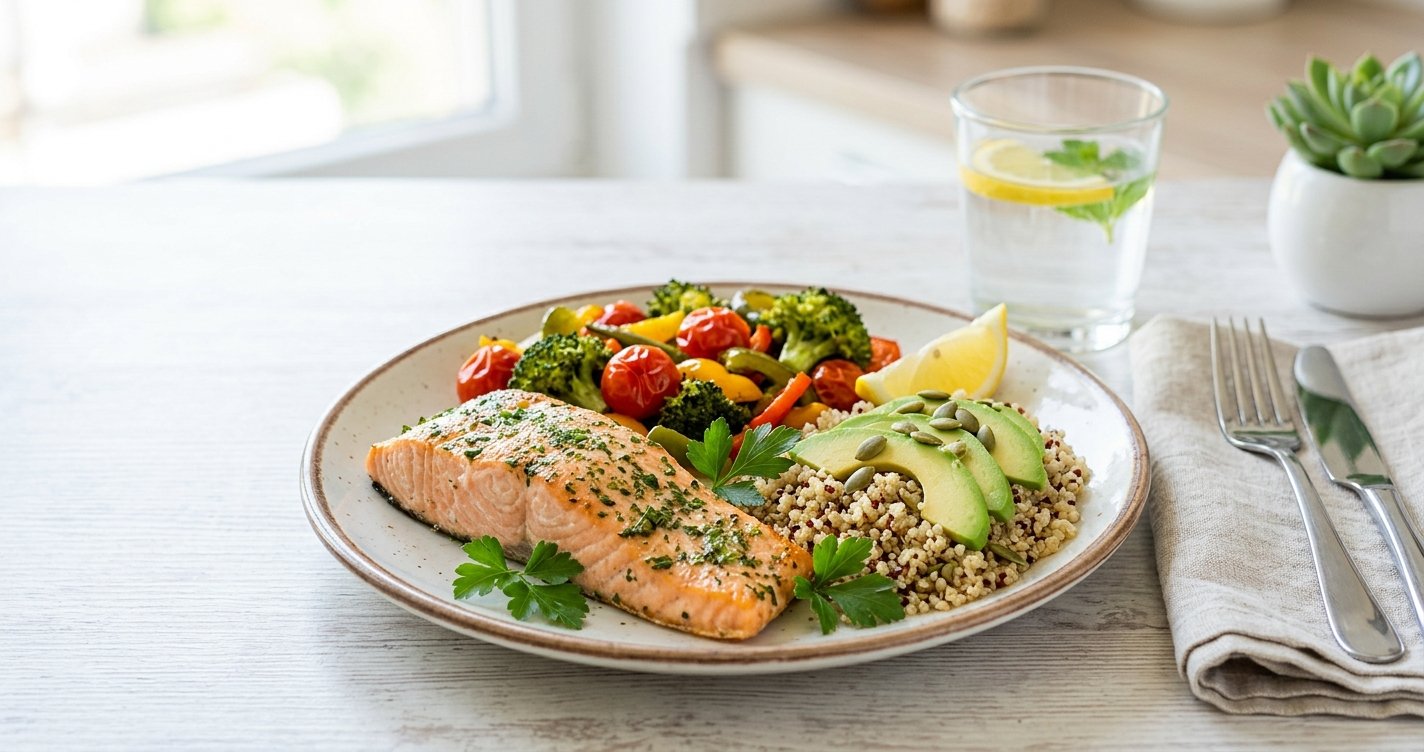
Imagine your plate as a canvas. For optimal fat loss and overall health, aim for a balanced masterpiece:
- Half Your Plate: Non-starchy vegetables (broccoli, spinach, bell peppers). These are packed with fiber, vitamins, and minerals, and are low in calories.
- One-Quarter of Your Plate: Lean protein (chicken, fish, tofu, beans). This ensures satiety and muscle preservation.
- One-Quarter of Your Plate: Complex carbohydrates (quinoa, sweet potato, brown rice). Provides sustained energy and additional fiber.
- A Dash of Healthy Fats: A drizzle of olive oil, a few slices of avocado, or a sprinkle of seeds.
Making these small, consistent changes to your plate can lead to profound and lasting results. It's not about perfection, but about progress and making informed choices that nourish your body and support your goals.
Conclusion: Empower Your Journey with Smart Nutrition
Sustainable fat loss isn't about deprivation; it's about empowerment through smart nutrition. By prioritizing protein and fiber, making thoughtful choices about fats and carbohydrates, staying hydrated, and practicing mindful eating, you're not just losing weight – you're building a healthier, more vibrant you.
Embrace this journey with patience, consistency, and self-compassion. Your plate is a powerful tool; use it wisely to fuel your body, satisfy your hunger, and achieve the lasting results you deserve. You've got this!