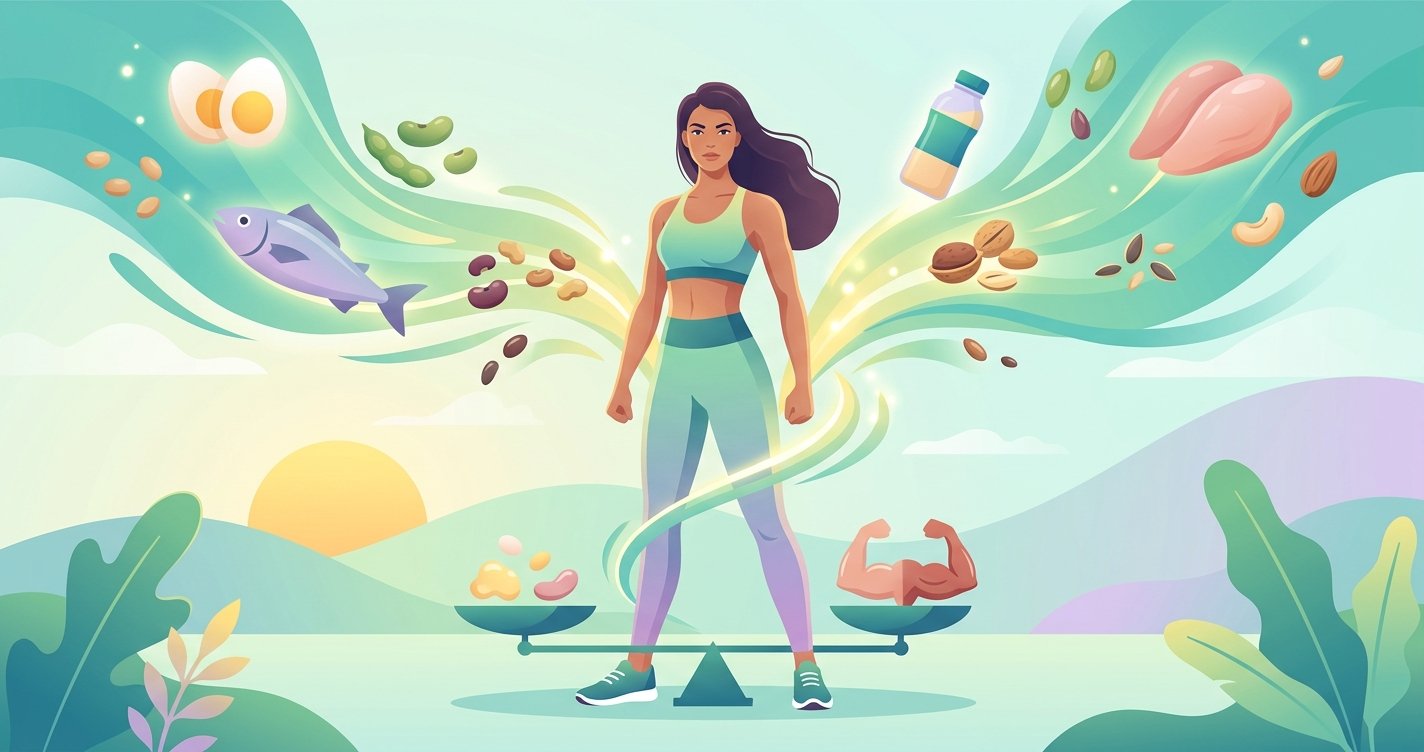
The Power of Protein: Your Secret Weapon for Sustainable Fat Loss
Are you navigating the often-confusing world of fat loss, feeling like you've tried everything but still hitting plateaus or battling constant hunger? What if we told you there's a powerful, evidence-based ally that often gets overlooked, yet plays a crucial role in not just losing fat, but keeping it off sustainably? That ally is protein.
Forget fad diets and restrictive eating plans for a moment. Instead, let's dive into how optimizing your protein intake can revolutionize your fat loss journey, making it feel less like a struggle and more like a natural progression towards a healthier, stronger you. This isn't about deprivation; it's about smart nutrition that works with your body, not against it. Ready to unlock protein's full potential? this excellent wellness product
Why Protein is Your Fat Loss MVP (Most Valuable Player)
Protein isn't just for bodybuilders; it's a macronutrient powerhouse essential for everyone, especially those focused on fat loss. Its unique properties make it stand out from carbohydrates and fats when it comes to managing weight and improving body composition. Let's explore why protein deserves a starring role in your diet:
1. The Satiety Superstar: Feeling Fuller, Longer
One of the biggest challenges in fat loss is managing hunger and cravings. This is where protein shines! Protein has a remarkable ability to keep you feeling full and satisfied for longer periods compared to carbs or fats. It influences the release of satiety hormones like GLP-1 and PYY, signaling to your brain that you've had enough to eat. This means fewer trips to the snack cupboard, less mindless munching, and ultimately, easier adherence to a calorie deficit without feeling constantly deprived.
2. Fueling Your Metabolism: The Thermic Effect of Food (TEF)
Did you know that your body burns calories just to digest and process the food you eat? This is known as the Thermic Effect of Food (TEF), and protein has the highest TEF of all macronutrients. While carbs burn about 5-10% of their calories during digestion and fats burn 0-3%, protein burns a significant 20-30%. This means that for every 100 calories of protein you consume, your body uses 20-30 calories just to break it down. It's like a mini metabolic boost with every protein-rich meal!
3. Protecting Your Precious Muscle Mass
When you're in a calorie deficit to lose fat, your body can sometimes break down muscle tissue for energy, not just fat. This is detrimental because muscle is metabolically active, meaning it burns more calories at rest than fat tissue. A higher protein intake helps to signal your body to preserve muscle mass, ensuring that the weight you're losing is predominantly fat. Maintaining or even building muscle while losing fat is key to achieving a toned physique and a robust metabolism in the long run.
How Much Protein Do You Really Need for Fat Loss?
While the Recommended Dietary Allowance (RDA) for protein is 0.8 grams per kilogram (g/kg) of body weight, this is generally considered the minimum to prevent deficiency. For optimal fat loss and muscle preservation, research suggests a higher intake. A good starting point for most active individuals aiming for fat loss is:
- 1.6 to 2.2 grams of protein per kilogram of body weight (0.7 to 1.0 gram per pound of body weight).
For example, if you weigh 150 pounds (approx. 68 kg), you'd aim for roughly 105-150 grams of protein per day. This might seem like a lot, but by strategically incorporating protein into your meals and snacks, it's very achievable. Listen to your body and adjust based on your activity level and how you feel.
Smart Strategies to Boost Your Protein Intake
Now that you know why protein is so important, let's talk about how to integrate more of it into your daily routine without feeling overwhelmed or like you're eating chicken breasts all day, every day!
1. Prioritize Protein at Every Meal
Make protein the centerpiece of your plate, especially at breakfast. Starting your day with protein can reduce cravings and calorie intake later in the day. Think eggs, Greek yogurt, cottage cheese, or a protein smoothie instead of just toast or sugary cereal.
- Breakfast examples: Scrambled eggs with spinach, Greek yogurt with berries and a sprinkle of nuts, protein powder in oatmeal.
- Lunch & Dinner examples: Lean chicken breast, fish, tofu, lentils, or beans as the main component of your meal, paired with plenty of vegetables.
2. Smart Snacking for Satiety
Snacks are an excellent opportunity to add more protein and keep hunger at bay between meals. Skip the empty calories and reach for protein-packed options.
- Snack ideas: A handful of almonds, a hard-boiled egg, a piece of string cheese, a small container of plain Greek yogurt, beef jerky, or a quality protein bar.
3. Lean Protein Powerhouses: Your Go-To Sources
Variety is the spice of life, and it's also key to getting a full spectrum of nutrients. Here's a list of excellent protein sources:
- Animal Sources: Chicken breast, turkey, lean beef, fish (salmon, tuna, cod), eggs, Greek yogurt, cottage cheese, low-fat milk.
- Plant Sources: Lentils, beans (black beans, chickpeas), tofu, tempeh, edamame, quinoa, nuts and seeds (almonds, chia seeds), nutritional yeast, pea protein powder, soy protein powder.
4. Don't Forget the Timing (It Matters, But Don't Obsess)
While the total daily protein intake is most crucial, spreading your protein consumption throughout the day can maximize its benefits for muscle protein synthesis and satiety. Aim for roughly 20-40 grams of protein per meal, depending on your total daily target. Having a protein-rich meal or snack before and after workouts can also aid in recovery and muscle repair.
Common Protein Myths Debunked
Despite its benefits, protein often gets a bad rap due to persistent myths. Let's clear the air:
- Myth: "Too much protein is bad for your kidneys."
Fact: For healthy individuals with normal kidney function, a high protein intake (even up to 2.2 g/kg) has not been shown to cause kidney damage. However, if you have pre-existing kidney disease, consult your doctor or a dietitian. - Myth: "Protein will make women bulky."
Fact: Building significant muscle mass is a challenging process that requires specific training, a caloric surplus, and often, specific hormonal profiles (like higher testosterone). Eating protein won't automatically make women bulky; it will help build lean, toned muscle and support fat loss. - Myth: "Protein powder is unnatural/only for bodybuilders."
Fact: Protein powders (like whey, casein, or plant-based options) are simply concentrated forms of protein, often derived from milk or plants. They are a convenient and efficient way to increase protein intake, especially for busy individuals or those with higher protein needs. They are a supplement to whole foods, not a replacement.
Putting It All Together: Your Action Plan for Protein-Powered Fat Loss
Integrating more protein into your diet doesn't have to be complicated. Here's a simple action plan:
- Calculate Your Target: Use the 1.6-2.2 g/kg (0.7-1.0 g/lb) guideline to estimate your daily protein goal.
- Plan Your Meals: Consciously include a protein source in every meal and most snacks.
- Stock Your Pantry: Keep a variety of lean protein sources (both animal and plant-based) readily available.
- Track (Initially): For a week or two, briefly track your protein intake using a food diary app to get a sense of where you stand and identify areas for improvement.
- Be Consistent: Small, consistent changes yield the biggest results. Don't aim for perfection overnight.
Conclusion: Embrace Protein for Lasting Success
Protein is far more than just a muscle builder; it's a critical component for sustainable fat loss, helping you feel fuller, boost your metabolism, and preserve valuable muscle mass. By making a conscious effort to prioritize and increase your protein intake, you're not just losing weight; you're building a stronger, healthier, and more resilient body that's better equipped to maintain your results long-term.
So, stop fighting hunger and start fueling your body intelligently. Embrace the power of protein, and watch as your fat loss journey becomes more manageable, more satisfying, and ultimately, more successful. Your body will thank you!