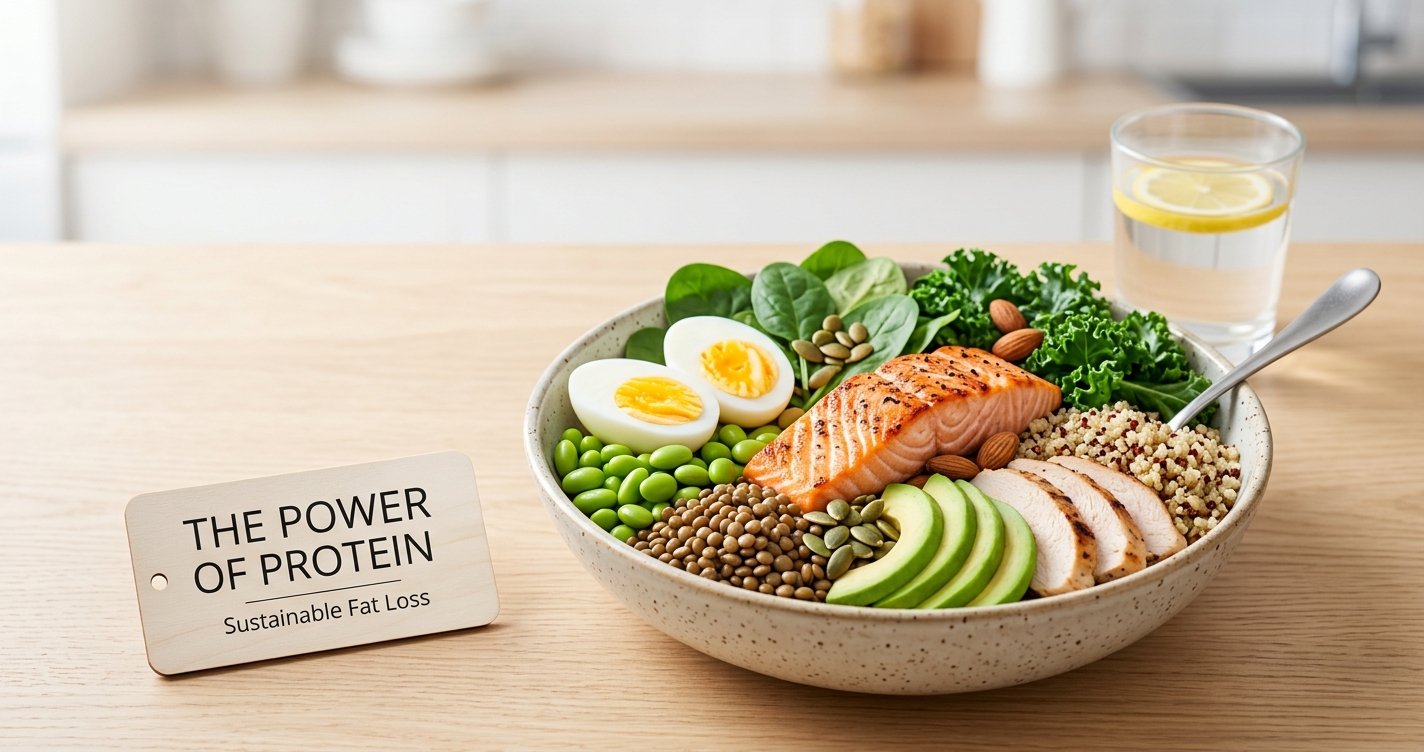
Are you on a journey to shed some unwanted fat, but feel like you're constantly battling hunger or hitting frustrating plateaus? What if we told you there's a powerful, natural tool that can make your fat loss efforts significantly easier and more sustainable? Enter protein – the unsung hero of healthy weight management!
Often associated primarily with muscle building, protein's role in fat loss is incredibly diverse and impactful. It's not just about bulking up; it's about feeling full, boosting your metabolism, and preserving the precious muscle that keeps your body a fat-burning machine. In this friendly, evidence-based guide, we'll dive deep into why protein is an absolute game-changer for anyone looking to achieve lasting fat loss, and how you can harness its power effectively. this excellent wellness product
Why Protein is a Fat Loss Game-Changer (Beyond Just Building Muscle)
When it comes to losing fat, most people focus solely on cutting calories. While a calorie deficit is fundamental, how you achieve that deficit and what you eat matters immensely. Protein offers unique advantages that make it stand out from carbohydrates and fats.
The Satiety Factor: Feeling Fuller, Longer
One of the biggest challenges in fat loss is managing hunger. If you're constantly feeling deprived, sticking to your plan becomes incredibly difficult. This is where protein shines! Numerous studies show that protein is the most satiating macronutrient. What does this mean for you?
- Reduced Cravings: Protein helps stabilize blood sugar levels, preventing the sharp spikes and crashes that often lead to intense cravings for sugary or high-carb foods.
- Hormone Regulation: It influences hunger hormones like ghrelin (the 'hunger hormone') and leptin (the 'satiety hormone'). A higher protein intake can help suppress ghrelin and boost leptin sensitivity, making you feel satisfied and less hungry overall.
- Extended Fullness: Protein takes longer to digest than carbohydrates, keeping your stomach full and signaling to your brain that you're satisfied for a longer period. This naturally leads to eating less throughout the day without feeling like you're starving.
Boosting Your Metabolism: The Thermic Effect of Food (TEF)
Did you know that your body burns calories just to digest, absorb, and process the food you eat? This is known as the Thermic Effect of Food (TEF), and protein has the highest TEF of all macronutrients.
- Protein's High TEF: Approximately 20-30% of the calories from protein are burned during digestion. Compare this to carbohydrates (5-10%) and fats (0-3%).
- More Calories Burned: This means that for every 100 calories of protein you consume, your body uses 20-30 calories just to process it. Over the course of a day, a higher protein intake can significantly increase your overall calorie expenditure, giving your metabolism a helpful boost.
Preserving Muscle, Burning Fat
When you're in a calorie deficit, your body doesn't just burn fat; it can also break down muscle tissue for energy. Losing muscle is detrimental to fat loss because muscle is metabolically active – it burns more calories at rest than fat does. This is where protein plays a critical role:
- Muscle Protein Synthesis (MPS): Adequate protein intake provides the amino acids necessary for muscle protein synthesis, which is the process of repairing and building muscle. This is crucial for preserving your existing muscle mass while in a calorie deficit.
- Maintaining Metabolic Rate: By preserving muscle, you help maintain your basal metabolic rate (BMR), ensuring your body continues to burn a good amount of calories even when you're resting. This prevents the dreaded metabolic slowdown often associated with dieting.
- Targeted Fat Loss: A high-protein diet encourages your body to prioritize burning stored fat for energy, rather than breaking down muscle.
How Much Protein Do You Really Need for Fat Loss?
The recommended daily allowance (RDA) for protein is 0.8 grams per kilogram of body weight, but this is a minimum to prevent deficiency, not an optimal amount for fat loss or active individuals. For effective fat loss, research suggests a higher intake.
- General Guideline: Aim for approximately 1.6 to 2.2 grams of protein per kilogram of body weight (or 0.7 to 1.0 grams per pound of body weight).
- Consider Your Activity Level: If you're highly active or engaging in regular strength training, you might benefit from the higher end of this range to support muscle preservation and recovery.
- Don't Fear the Higher End: For most healthy individuals, a higher protein intake within these ranges is safe and beneficial for fat loss. Always consult with a healthcare professional or registered dietitian if you have underlying health conditions.
Smart Strategies to Boost Your Protein Intake
Incorporating more protein into your diet doesn't have to be complicated or boring. Here are some practical tips:
- Prioritize Protein at Every Meal: Aim to include a good source of protein in all your main meals. Think eggs for breakfast, chicken salad for lunch, and fish or lean beef for dinner.
- Smart Snacking: Replace carb-heavy snacks with protein-rich alternatives like Greek yogurt, cottage cheese, a handful of almonds, hard-boiled eggs, or a protein shake.
- Lean Protein Sources: Focus on lean meats (chicken breast, turkey, lean beef), fish (salmon, tuna, cod), eggs, dairy (yogurt, milk, cheese), and plant-based options.
- Don't Forget Plant-Based: If you're vegetarian or vegan, excellent protein sources include lentils, beans, chickpeas, tofu, tempeh, edamame, quinoa, nuts, and seeds. Combine different plant proteins throughout the day to ensure you get all essential amino acids.
- Protein Supplements (When Needed): While whole foods should always be your primary source, protein powders (whey, casein, soy, pea, rice) can be a convenient way to meet your daily targets, especially after workouts or when you're on the go.
- Distribute Your Intake: Instead of consuming most of your protein in one meal, try to spread your protein intake evenly throughout the day (e.g., 20-40 grams per meal) to maximize muscle protein synthesis and satiety.
Delicious & Diverse Protein Sources
Eating more protein doesn't mean eating boring food. There's a vast array of delicious options to choose from:
- Animal-Based:
- Lean Meats: Chicken breast, turkey, lean cuts of beef (sirloin, round), pork loin.
- Fish & Seafood: Salmon, tuna, cod, shrimp, scallops.
- Eggs: Whole eggs are a complete protein powerhouse.
- Dairy: Greek yogurt, cottage cheese, milk, kefir.
- Plant-Based:
- Legumes: Lentils, black beans, chickpeas, kidney beans.
- Soy Products: Tofu, tempeh, edamame.
- Grains: Quinoa (a complete protein), oats.
- Nuts & Seeds: Almonds, peanuts, chia seeds, flax seeds, pumpkin seeds.
- Protein Powders: Soy, pea, rice, hemp protein.
Experiment with different sources and recipes to keep your meals exciting and ensure you're getting a wide range of nutrients.
Putting It All Together: Your Protein-Powered Fat Loss Plan
Ready to put protein to work for you? Here’s how you can integrate these principles into your daily routine:
- Assess Your Needs: Calculate your target protein intake based on your body weight and activity level.
- Plan Your Meals: Look at your typical day and identify opportunities to add more protein. Can you swap your usual toast for eggs and Greek yogurt? Can you add chicken or beans to your salad?
- Prioritize Protein First: When building your plate, think about your protein source first, then add healthy fats and complex carbohydrates.
- Stay Hydrated: Drinking plenty of water is essential for overall health and can also help with satiety.
- Be Consistent: The key to success with any fat loss strategy is consistency. Make small, sustainable changes that you can stick with long-term.
Remember, fat loss is a journey, not a race. By embracing the power of protein, you're not just aiming for a number on the scale; you're building a healthier, stronger, and more satiated you. You're setting yourself up for sustainable results, better energy levels, and a metabolism that works with you, not against you.
Conclusion
Protein is far more than just a muscle builder; it's a cornerstone of effective and sustainable fat loss. By harnessing its power to boost satiety, increase metabolism, and preserve muscle mass, you can make your weight loss journey feel less like a battle and more like a natural progression towards a healthier you. Start prioritizing protein today, and watch as your body transforms, your energy soars, and your confidence grows. You've got this!