Are you on a fat loss journey that feels like an uphill battle? Do you find yourself constantly hungry, struggling with cravings, or losing muscle mass alongside the fat? If so, you're not alone. Many people focus solely on cutting calories, but there's a powerful macronutrient often overlooked as a cornerstone for successful, sustainable fat loss: protein.
Protein isn't just for bodybuilders. It's an essential building block for every cell in your body, and when it comes to transforming your physique and maintaining your health, it's a true game-changer. In this post, we'll dive deep into why prioritizing protein can be your secret weapon, backed by evidence, and give you practical, friendly advice on how to harness its power for lasting results. this excellent wellness product
Why Protein is Your Fat Loss MVP (Most Valuable Player)
Let's break down the incredible benefits of protein and why it deserves a prime spot on your plate, especially when you're aiming for fat loss.
The Satiety Superstar: Feeling Fuller, Longer
One of the biggest challenges in a fat loss phase is managing hunger. Protein is renowned for its ability to increase satiety, meaning it keeps you feeling full and satisfied for longer periods compared to carbohydrates or fats. When you eat protein, it triggers the release of specific hormones (like GLP-1 and PYY) that signal fullness to your brain. This natural appetite suppression can significantly reduce cravings, prevent overeating, and make sticking to your calorie goals much easier.
- Practical Tip: Start your day with a protein-rich breakfast (eggs, Greek yogurt, protein smoothie) to curb morning hunger and set a positive tone for your eating habits.
The Metabolic Maestro: Boosting Your Burn
Did you know that your body expends energy just to digest food? This is known as the Thermic Effect of Food (TEF), and protein has the highest TEF among all macronutrients. Roughly 20-30% of the calories you consume from protein are used just to process it, compared to 5-10% for carbs and 0-3% for fats. This means a higher protein intake subtly boosts your daily calorie expenditure, giving you a slight metabolic advantage.
Furthermore, maintaining a higher muscle mass (which protein helps with, as we'll discuss next) also contributes to a higher resting metabolic rate, meaning you burn more calories even at rest. It's a win-win!
Muscle's Best Friend: Preserving Your Powerhouse
When you're in a calorie deficit, your body looks for energy sources. Without adequate protein, it might start breaking down muscle tissue for fuel, along with fat. This is detrimental because muscle is metabolically active – it burns more calories at rest than fat tissue. Losing muscle can slow down your metabolism, making future fat loss harder and leading to a 'skinny fat' appearance.
A high protein intake, especially when combined with resistance training, signals to your body to preserve precious muscle mass while primarily tapping into fat stores for energy. This is crucial for achieving a lean, toned physique and maintaining a healthy metabolism long-term.
How Much Protein Do You Really Need? (Evidence-Based Guidelines)
So, how much protein is optimal for fat loss? While individual needs vary, scientific consensus provides some clear guidelines.
General Recommendations vs. Fat Loss Goals
For general health, the recommended dietary allowance (RDA) is 0.8 grams of protein per kilogram of body weight (0.36 grams per pound). However, for active individuals or those specifically aiming for fat loss while preserving muscle, this number needs to be significantly higher.
Research suggests that an intake of 1.6 to 2.2 grams of protein per kilogram of body weight (approximately 0.7 to 1 gram per pound of body weight) is optimal for muscle preservation and satiety during a calorie deficit. If you're very lean or engaging in intense training, you might even benefit from slightly higher amounts.
- Example: A person weighing 150 lbs (approx. 68 kg) aiming for fat loss would target 105-150 grams of protein per day.
Factors Influencing Your Personal Target
Several factors can influence your ideal protein intake:
- Activity Level: The more active you are, especially with resistance training, the higher your protein needs.
- Body Fat Percentage: Leaner individuals in a deficit may need more protein to prevent muscle loss.
- Age: Protein needs can increase with age to combat sarcopenia (age-related muscle loss).
- Goals: Fat loss with muscle preservation requires more protein than simply maintaining weight.
Smart Strategies to Boost Your Protein Intake
Hitting your protein targets doesn't have to be complicated. Here are some practical ways to seamlessly integrate more protein into your daily diet.
Prioritize Protein at Every Meal
Instead of thinking of protein as an add-on, make it the centerpiece of your main meals. Aim for 20-40 grams of protein at breakfast, lunch, and dinner.
- Breakfast: Scrambled eggs, Greek yogurt with berries, cottage cheese, protein powder in oatmeal.
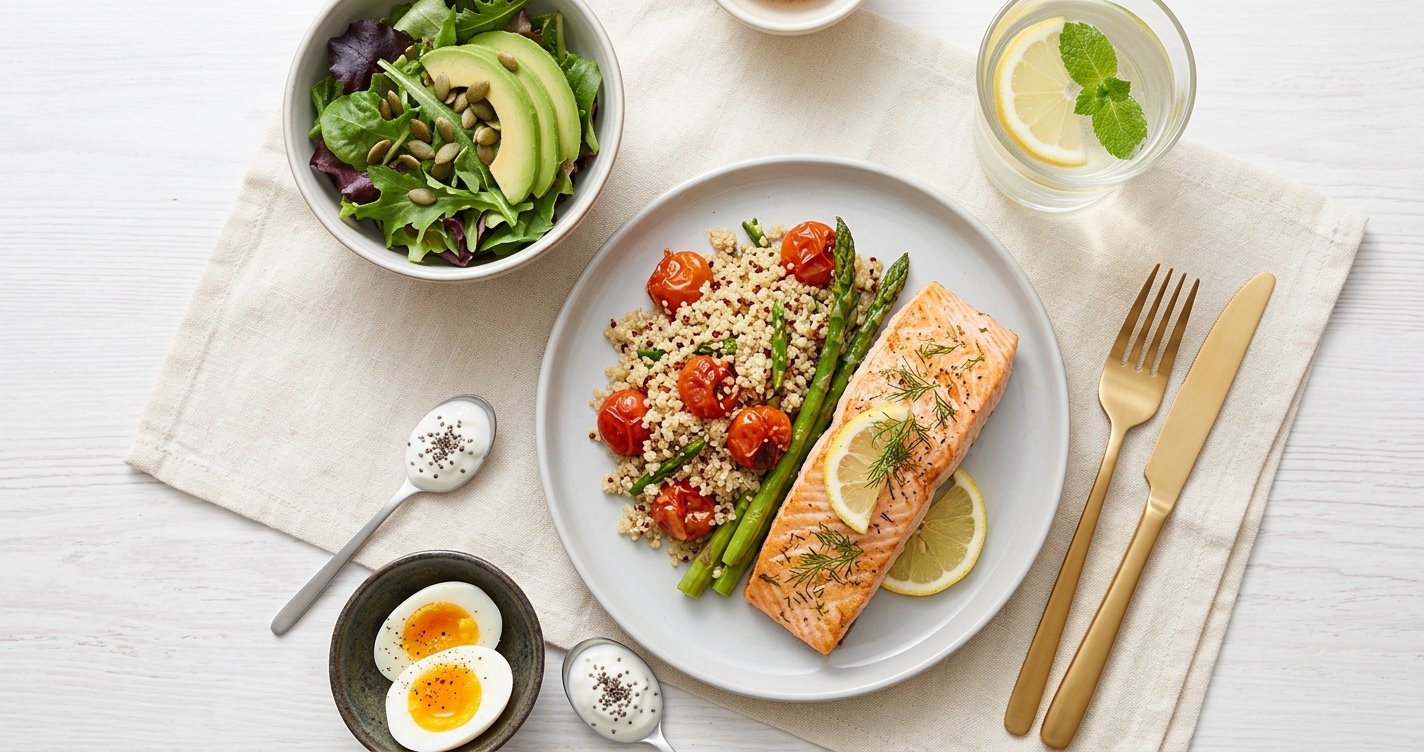
- Lunch & Dinner: Lean meats (chicken breast, turkey, lean beef), fish (salmon, cod, tuna), legumes (lentils, chickpeas, black beans), tofu, tempeh.
Smart Snacking Choices
Snacks are an excellent opportunity to sneak in extra protein and keep hunger at bay between meals.
- Hard-boiled eggs
- A handful of almonds or walnuts
- Cottage cheese or Greek yogurt
- Beef jerky (low-sodium)
- Protein bar (choose wisely, look for low sugar)
- Edamame
The Role of Protein Supplements (When and How)
While whole foods should always be your primary source of nutrition, protein supplements can be a convenient and effective tool to help you reach your daily protein goals, especially on busy days or post-workout.
- Whey Protein: Fast-digesting, ideal post-workout.
- Casein Protein: Slow-digesting, good before bed for sustained release.
- Plant-Based Proteins: Pea, rice, hemp protein are great alternatives for vegetarians, vegans, or those with dairy sensitivities.
Remember, supplements are there to supplement your diet, not replace whole foods. Use them strategically when needed.
Beyond the Plate: Protein and Your Lifestyle
Optimizing your protein intake is just one piece of the fat loss puzzle. For maximum results, it works best in synergy with other healthy lifestyle habits.
Pairing Protein with Resistance Training
This combination is truly magical for body recomposition. Resistance training (lifting weights, bodyweight exercises) creates micro-tears in your muscle fibers, and protein provides the amino acids needed to repair and rebuild them stronger. This process is called muscle protein synthesis, and it's essential for building or maintaining muscle while losing fat.
Consistency is Key
Fat loss is a journey, not a sprint. Consistently hitting your protein targets day after day, week after week, will yield the best results. Don't get discouraged if you miss a target one day; just get back on track the next.
Common Protein Myths Debunked
Let's clear up some common misconceptions that might be holding you back.
"Too Much Protein is Bad for Your Kidneys"
This is a persistent myth. For healthy individuals with normal kidney function, there is no scientific evidence to suggest that a high-protein diet causes kidney damage. In fact, studies often show no adverse effects on kidney function in healthy adults consuming high protein. However, if you have pre-existing kidney disease, it's crucial to consult your doctor or a registered dietitian before increasing your protein intake.
"Protein Will Make Me Bulky"
Especially common among women, this fear is largely unfounded. While protein is essential for muscle growth, becoming "bulky" requires a very specific combination of intense, high-volume training, a significant calorie surplus, and often, genetic predisposition and hormonal factors (like higher testosterone levels). Prioritizing protein for fat loss will most likely lead to a leaner, more toned physique, not excessive bulk.
Embrace the Power of Protein for Lasting Fat Loss
You now have the knowledge and tools to make protein your most valuable ally in your fat loss journey. By understanding its roles in satiety, metabolism, and muscle preservation, and by implementing smart strategies to increase your intake, you're not just losing weight – you're building a stronger, healthier, and more sustainable foundation for your body.
Remember, fat loss isn't just about the number on the scale; it's about improving your body composition, feeling energized, and creating habits you can maintain for life. Start prioritizing protein today, listen to your body, and enjoy the incredible benefits it brings. Your future self will thank you!