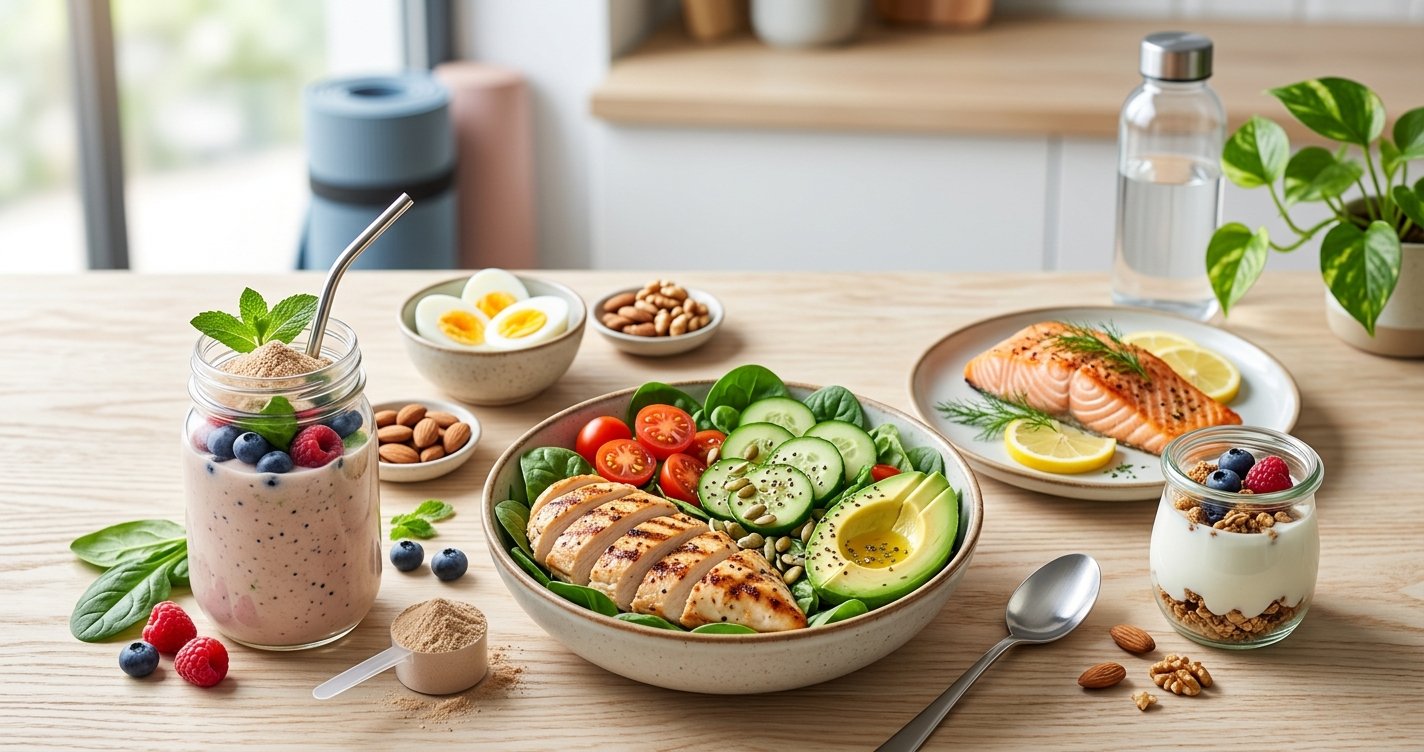
Are you on a journey to shed those extra pounds and build a healthier, stronger you? If you’ve dabbled in diets before, you might have heard about the importance of protein. But let's be honest, "eat more protein" can feel a bit vague. What if I told you that protein isn't just another nutrient, but arguably your most potent ally in the quest for sustainable fat loss? It's true! In this comprehensive guide, we're going to dive deep into the science-backed reasons why protein is your secret weapon, how much you truly need, and practical, delicious ways to integrate it into your daily life.
Forget restrictive diets and endless cardio for a moment. Understanding and optimizing your protein intake can revolutionize your approach to fat loss, making the process more effective, more satisfying, and ultimately, more sustainable. Ready to unlock the power of protein? Let's dive in! this excellent wellness product
Why Protein is Your Fat Loss MVP (Most Valuable Player)
Protein isn't just for bodybuilders; it's fundamental for everyone, especially when you're aiming for fat loss. Here's why it deserves MVP status in your nutrition plan:
1. The Satiety Superpower: Feel Fuller, Longer
One of the biggest challenges in a calorie deficit is managing hunger. This is where protein shines! Research consistently shows that protein is the most satiating macronutrient. When you consume protein, it triggers the release of hormones like GLP-1 and PYY, which signal to your brain that you're full and satisfied. This means less mindless snacking, fewer cravings, and an easier time adhering to your calorie goals without feeling deprived.
- Practical Tip: Start your day with a high-protein breakfast. Studies suggest this can reduce overall calorie intake throughout the day!
2. The Metabolic Booster: Burn More Calories Just By Eating!
Did you know your body expends energy just to digest and process the food you eat? This is called the Thermic Effect of Food (TEF). Protein has the highest TEF compared to carbohydrates and fats. Roughly 20-30% of the calories from protein are burned during digestion, compared to 5-10% for carbs and 0-3% for fats. While this might seem small, it adds up over time, giving your metabolism a gentle, continuous boost.
- The Science: Eating 100 calories of protein might only net you 70-80 usable calories after digestion, effectively increasing your daily calorie expenditure without extra effort.
3. Muscle Protector: Maintain Lean Mass While Losing Fat
When you're in a calorie deficit, your body doesn't always discriminate between fat and muscle for energy. A common fear (and reality for many) is losing valuable muscle mass along with fat. This is detrimental because muscle is metabolically active, meaning it burns more calories at rest than fat does. Protein is crucial for preserving this lean muscle tissue, especially when combined with strength training. Adequate protein intake provides the amino acids needed for muscle repair and synthesis, ensuring that the weight you're losing is primarily fat, not muscle.
- Why it Matters: Maintaining muscle helps keep your metabolism humming and contributes to a more toned, defined physique.
How Much Protein Do You Really Need for Fat Loss?
This is a common question, and the answer isn't a one-size-fits-all. However, for fat loss, the general recommendations are higher than for general health.
- General Guideline: Aim for 1.6 to 2.2 grams of protein per kilogram of body weight (or 0.7 to 1.0 gram per pound of body weight).
- Example: If you weigh 70 kg (about 154 lbs), you'd aim for roughly 112-154 grams of protein per day. If you're 150 lbs, that's 105-150 grams.
Factors that might push you towards the higher end of this range include:
- High Activity Levels: If you're regularly engaging in intense strength training or endurance sports, your needs will be higher.
- Significant Calorie Deficit: A larger deficit increases the risk of muscle loss, making higher protein intake even more critical.
- Age: As we age, our bodies become less efficient at utilizing protein, so slightly higher intakes can be beneficial to combat sarcopenia (age-related muscle loss).
Don't get too bogged down by exact numbers initially. The goal is to consistently hit a range that supports your goals. Start by tracking your current intake for a few days to get a baseline, then gradually increase it.
Protein Power-Up: Smart Strategies to Boost Your Intake
Now that you know why and how much, let's talk about how to actually do it! It's easier than you think to weave more protein into your day.
1. Prioritize Protein at Every Meal
Instead of thinking of protein as an add-on, make it the star of your plate. Aim for 20-40 grams of protein per meal, depending on your total daily target.
- Breakfast: Scrambled eggs (6g per egg), Greek yogurt (15-20g per cup), cottage cheese (25g per cup), protein smoothie (20-30g).
- Lunch/Dinner: Lean meats like chicken breast (30g per 4oz), fish (20-25g per 4oz), lean beef (25g per 4oz), lentils/beans (15-20g per cup cooked), tofu/tempeh (15-20g per 4oz).
- Snacks: Hard-boiled eggs, a handful of almonds, a protein bar (check sugar content!), jerky, or a small serving of cottage cheese.
2. Smart Swaps & Additions
- Swap regular yogurt for Greek yogurt.
- Add a scoop of protein powder to your oatmeal or smoothie.
- Sprinkle nutritional yeast on savory dishes for a cheesy, protein-packed flavor.
- Choose whole grains over refined, as they offer a little more protein.
- Incorporate legumes (beans, lentils, chickpeas) into salads, soups, and stews.
3. Don't Fear the Supplements (But Don't Rely Solely on Them)
Protein supplements like whey, casein, or plant-based powders can be incredibly convenient, especially post-workout or when you're short on time. They are excellent tools to help you hit your daily protein targets without adding excessive calories or fat. However, remember they are "supplements" – they should complement a diet rich in whole, unprocessed protein sources, not replace them.
- Whey Protein: Fast-digesting, great post-workout.
- Casein Protein: Slow-digesting, good before bed for sustained release.
- Plant-Based Proteins (pea, rice, soy): Excellent for vegetarians/vegans, often a blend for complete amino acid profile.
Common Protein Pitfalls & How to Avoid Them
Even with the best intentions, it's easy to stumble. Here are a few common mistakes and how to navigate them:
- Not Tracking: If you're unsure if you're hitting your target, track your intake for a few days using a food diary app. You might be surprised!
- Over-Reliance on Supplements: While convenient, whole foods offer a broader spectrum of nutrients. Aim for most of your protein from food.
- Ignoring Variety: Don't stick to just chicken and eggs. Explore different protein sources to ensure a wide range of amino acids and micronutrients.
- Not Distributing Evenly: Spreading your protein intake throughout the day (e.g., 25-30g per meal) is generally more effective for muscle protein synthesis and satiety than eating one huge protein meal.
Putting It All Together: A Sample High-Protein Day for Fat Loss
Here’s what a day focused on hitting those protein targets could look like:
- Breakfast (approx. 30-35g protein):
- Greek yogurt (1 cup, ~20g protein) with a scoop of protein powder (~20g) mixed in (or 2 hard-boiled eggs and a small serving of cottage cheese).
- A handful of berries.
- Lunch (approx. 30-35g protein):
- Large salad with 4-5oz grilled chicken breast (~30-35g protein) or chickpeas/lentils.
- Plenty of non-starchy vegetables and a light vinaigrette.
- Snack (approx. 15-20g protein):
- Apple slices with 2 tbsp peanut butter (~8g protein) and a small handful of almonds (~6g protein).
- Or a protein shake (~20-25g protein).
- Dinner (approx. 35-40g protein):
- 4-5oz baked salmon (~30-35g protein) or lean ground turkey stir-fry.
- Steamed broccoli and half a cup of quinoa.
This sample day easily gets you into the 110-130g+ protein range, depending on portion sizes, while still allowing for plenty of vegetables, healthy fats, and complex carbohydrates. Remember, this is just an example – tailor it to your preferences and dietary needs!
Your Journey, Powered by Protein
Embracing a higher protein intake isn't about deprivation; it's about empowerment. It's about fueling your body intelligently to support your fat loss goals, maintain muscle, boost your metabolism, and keep hunger at bay. By prioritizing protein, you're not just losing weight; you're building a stronger, healthier, and more sustainable relationship with food and your body.
Start small, make gradual changes, and listen to your body. You've got this! With protein as your steadfast ally, you're well on your way to achieving your fat loss goals and feeling fantastic.