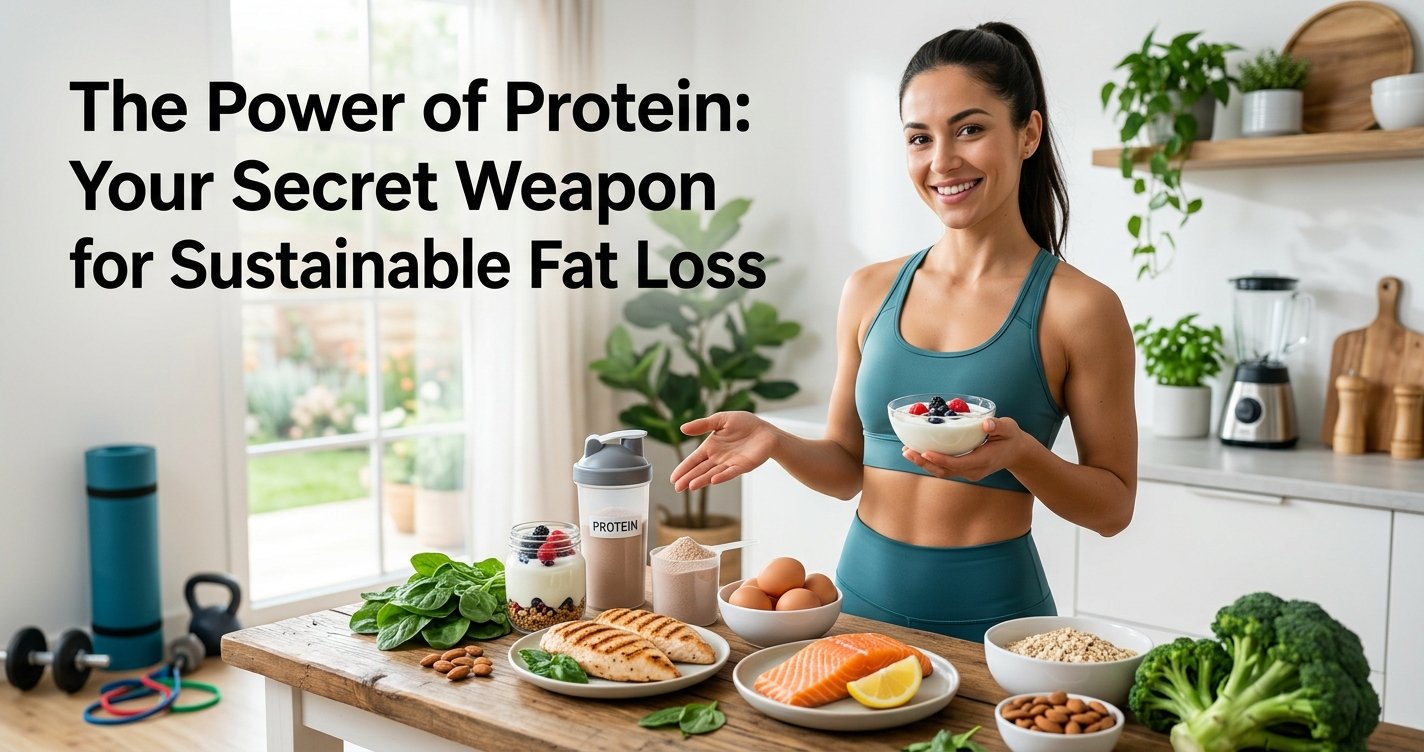
The Power of Protein: Your Secret Weapon for Sustainable Fat Loss
Are you on a journey to shed some unwanted fat and build a healthier, stronger you? If so, you’ve probably heard a lot about different diets, exercise routines, and perhaps even some fleeting fads. But what if there was one nutritional superstar that consistently delivered results, backed by science, and made the entire process feel more manageable and sustainable? Enter protein!
Often seen as just ‘muscle food’ for bodybuilders, protein is so much more. It’s an essential macronutrient that plays a critical role in virtually every bodily function, and when it comes to fat loss, it’s truly an MVP (Most Valuable Player). In this comprehensive guide, we’ll dive deep into why protein is your ultimate ally, how much you really need, and practical ways to effortlessly boost your intake for lasting success. Get ready to transform your approach to fat loss! this excellent wellness product
Why Protein Is Your Fat Loss MVP (Most Valuable Player)
When we talk about losing fat, we’re essentially talking about creating a calorie deficit – consuming fewer calories than your body burns. While this might sound simple, maintaining that deficit without feeling constantly hungry or losing precious muscle can be a real challenge. This is where protein shines, offering multiple metabolic advantages that make your fat loss journey smoother and more effective.
The Satiety Secret: Feeling Full, Longer
One of the biggest hurdles in any fat loss plan is hunger. Those nagging cravings and the constant urge to snack can derail even the best intentions. Protein is incredibly effective at promoting satiety – the feeling of fullness and satisfaction – far more so than carbohydrates or fats. This is due to several factors:
- Hormonal Response: Protein influences the release of gut hormones like PYY and GLP-1, which signal fullness to your brain, while simultaneously reducing ghrelin, the ‘hunger hormone’.
- Slower Digestion: Protein takes longer to digest than carbohydrates, meaning it stays in your stomach for a greater period, contributing to prolonged feelings of fullness.
- Reduced Cravings: By keeping you satisfied, protein helps you naturally reduce overall calorie intake and minimize those impulsive, high-calorie snack choices.
Imagine going longer between meals without feeling ravenous, making it easier to stick to your calorie goals. That’s the power of protein!
Boost Your Metabolism: The Thermic Effect of Food
Did you know that your body actually burns calories just to digest, absorb, and metabolize the food you eat? This is known as the Thermic Effect of Food (TEF), and it varies significantly between macronutrients. Protein has the highest TEF of all:
- Protein: 20-30% of its calories are burned during digestion.
- Carbohydrates: 5-10% of their calories are burned.
- Fats: 0-3% of their calories are burned.
What does this mean for you? If you eat 100 calories of protein, your body uses 20-30 of those calories just to process it, leaving only 70-80 calories available for energy or storage. Compared to fats, where almost all 100 calories are available, protein gives you a significant metabolic advantage. By prioritizing protein, you’re essentially getting a ‘free’ calorie burn throughout the day, subtly increasing your overall daily energy expenditure.
Protecting Your Precious Muscle While Losing Fat
When you’re in a calorie deficit, your body doesn’t exclusively burn fat for fuel. It can also tap into muscle tissue, especially if you’re not consuming enough protein or engaging in resistance training. Losing muscle is detrimental to your fat loss goals for several reasons:
- Metabolic Slowdown: Muscle is metabolically active tissue, meaning it burns more calories at rest than fat tissue. Losing muscle means your resting metabolism slows down, making it harder to maintain fat loss in the long run.
- Body Composition: A leaner, more toned physique is often the goal. Losing muscle instead of fat can leave you looking ‘skinny fat’ or less firm.
- Strength and Function: Preserving muscle ensures you maintain your strength, energy, and functional capacity, making daily activities and workouts easier.
Preventing Muscle Loss: A Key to Sustainable Results
Adequate protein intake provides the essential amino acids your body needs to repair and build muscle tissue. When you’re in a calorie deficit, your body’s demand for these building blocks increases. Consuming enough protein signals to your body that it has the resources to maintain muscle, even as it’s forced to tap into fat stores for energy. Combine this with regular strength training, and you create an optimal environment for preserving muscle and preferentially burning fat.
How Much Protein Do You Really Need?
This is a common question, and the answer isn’t a one-size-fits-all. While the Recommended Dietary Allowance (RDA) for protein is 0.8 grams per kilogram (g/kg) of body weight, this is generally considered the minimum to prevent deficiency, not necessarily the optimal amount for active individuals or those aiming for fat loss.
General Guidelines vs. Individual Needs
For individuals actively trying to lose fat, evidence suggests a higher protein intake is beneficial. Here are some commonly recommended ranges:
- For Fat Loss & Muscle Preservation: Many experts recommend aiming for 1.6 to 2.2 grams of protein per kilogram of body weight per day.
- In Pounds: If you prefer pounds, this translates to roughly 0.7 to 1 gram of protein per pound of desired body weight (or current lean body mass).
Let’s put that into perspective. If you weigh 70 kg (about 154 lbs) and are aiming for fat loss, you might target 112-154 grams of protein per day. This might seem like a lot at first, but it’s completely achievable with a strategic approach.
Important Note: While higher protein intake is generally safe for healthy individuals, if you have pre-existing kidney conditions, it’s crucial to consult with your doctor or a registered dietitian before significantly increasing your protein intake.
Practical Tips to Boost Your Protein Intake
Now that you understand the ‘why,’ let’s get into the ‘how.’ Incorporating more protein into your diet doesn’t have to be bland or complicated. Here are some friendly, actionable tips:
Start Your Day Strong
- Protein-Packed Breakfasts: Ditch sugary cereals. Opt for Greek yogurt, eggs (scrambled, omelet, boiled), cottage cheese, or a protein smoothie.
Make Every Meal Count
- Prioritize Protein: When planning meals, think about your protein source first. Build your meal around lean meats, fish, poultry, tofu, or legumes.
- Smart Snacking: Instead of chips or cookies, choose protein-rich snacks like a handful of almonds, string cheese, hard-boiled eggs, or a small serving of jerky.
Sneaky Protein Boosts
- Add to Soups & Salads: Toss in grilled chicken, chickpeas, lentils, or edamame.
- Protein Powder: A convenient way to boost intake, especially post-workout or in smoothies. Choose a high-quality whey, casein, or plant-based protein powder.
- Greek Yogurt Swap: Use plain Greek yogurt as a sour cream substitute or in dressings for an extra protein punch.
- Legumes & Grains: Incorporate beans, lentils, and quinoa into your meals for plant-based protein and fiber.
Spread It Out
Instead of trying to get all your protein in one massive meal, aim to distribute it relatively evenly throughout your day. This helps with satiety and ensures your body has a steady supply of amino acids for muscle repair and synthesis. Aim for 20-40 grams of protein per meal, depending on your total daily target.
Debunking Protein Myths
Despite its benefits, protein sometimes gets a bad rap. Let’s clear up a couple of common misconceptions:
- “Too Much Protein Damages Your Kidneys”: For healthy individuals with normal kidney function, there is no scientific evidence to support that a high protein intake causes kidney damage. As mentioned, if you have a pre-existing kidney condition, consult a medical professional.
- “Protein Will Make You Bulky”: Eating protein alone will not magically turn you into a bodybuilder. Building significant muscle mass requires intense resistance training and a calorie surplus. Protein supports muscle preservation and growth, but it won’t make you ‘bulky’ unless that’s your specific training goal.
Conclusion: Embrace Protein for a Healthier, Leaner You!
Protein isn’t just a fad; it’s a foundational pillar of effective and sustainable fat loss. By harnessing its power to enhance satiety, boost your metabolism, and preserve your precious muscle mass, you’re setting yourself up for success. It transforms the challenging journey of a calorie deficit into a more manageable and enjoyable process, leading to lasting results and a healthier body composition.
So, take a friendly look at your plate and ask yourself: “Is there enough protein here?” Start making small, consistent changes today. Prioritize lean protein sources, spread your intake throughout the day, and watch as your body transforms, not just in terms of numbers on the scale, but in how you feel, your energy levels, and your overall well-being. Your fat loss journey just got a whole lot smarter!