Introduction: Unlocking Your Sustainable Fat Loss Potential
Embarking on a fat loss journey can feel like navigating a complex maze, often filled with conflicting advice and frustrating plateaus. You might have tried various diets, cut out entire food groups, or spent countless hours on the treadmill, only to find the results fleeting or the process unsustainable. But what if there was a powerful, science-backed ally that could make your journey smoother, more effective, and genuinely enjoyable? Enter protein – your unsung hero in the quest for sustainable fat loss.
Often associated primarily with bodybuilders, protein is, in fact, a critical macronutrient for everyone, especially those looking to shed body fat while preserving precious muscle. It's not just about building biceps; it's about feeling fuller, boosting your metabolism, and maintaining a healthy, vibrant body. In this comprehensive guide, we'll dive deep into why protein is indispensable for fat loss, how much you truly need, the best sources to fuel your body, and practical tips to integrate it seamlessly into your daily life. Get ready to transform your approach to fat loss, one protein-packed meal at a time! this excellent wellness product
Why Protein is Your Secret Weapon for Fat Loss
Protein isn't just another nutrient; it's a cornerstone of effective and sustainable fat loss. Its unique properties work synergistically to support your goals in ways carbohydrates and fats simply can't match. Let's explore the scientific reasons why protein should be at the forefront of your dietary strategy.
Satiety: Feeling Fuller, Longer
One of the biggest challenges in any fat loss journey is managing hunger and resisting cravings. This is where protein shines brightest. Protein has a remarkable ability to promote satiety – the feeling of fullness and satisfaction after a meal. When you consume protein, it triggers the release of specific hormones in your gut, such as GLP-1 and PYY, which signal to your brain that you're full. Simultaneously, it helps suppress ghrelin, the 'hunger hormone.'
This means that a high-protein meal can keep you feeling satisfied for longer periods, significantly reducing the likelihood of overeating, mindless snacking, and succumbing to those tempting cravings that often derail progress. Imagine easily sticking to your calorie goals without feeling deprived – that's the power of protein-induced satiety!
The Thermic Effect of Food (TEF): Burning More Calories
Did you know that your body expends energy just to digest, absorb, and metabolize the food you eat? This phenomenon is known as the Thermic Effect of Food (TEF), and protein has the highest TEF among all macronutrients. Approximately 20-30% of the calories from protein are burned off during its digestion and assimilation, compared to 5-10% for carbohydrates and a mere 0-3% for fats.
While this might seem like a small percentage, it adds up over the course of a day, week, and month. By prioritizing protein, you're essentially giving your metabolism a gentle, continuous boost, helping you burn more calories around the clock without any extra effort. It’s like a built-in calorie-burning bonus!
Preserving Muscle Mass: The Key to a Faster Metabolism
When you're in a calorie deficit to lose fat, your body doesn't always selectively burn fat. Without adequate support, it can also break down muscle tissue for energy. This is problematic because muscle is metabolically active – it burns more calories at rest than fat tissue does. Losing muscle mass means your resting metabolic rate (RMR) decreases, making it harder to lose fat and easier to regain weight in the future.
Protein is crucial for muscle protein synthesis (MPS), the process by which your body repairs and builds new muscle tissue. By consuming sufficient protein, especially when combined with strength training, you provide the necessary building blocks to preserve your existing muscle mass and even build new muscle, even during a calorie deficit. This not only keeps your metabolism humming but also contributes to a leaner, more toned physique.
How Much Protein Do You Really Need for Fat Loss?
The common misconception that only bodybuilders need significant amounts of protein is far from the truth. For optimal fat loss and muscle preservation, your protein needs are likely higher than you think. While general dietary guidelines suggest around 0.8 grams of protein per kilogram of body weight for sedentary individuals, those actively trying to lose fat benefit from a more targeted approach.
Research suggests that for fat loss, aiming for 1.6 to 2.2 grams of protein per kilogram of body weight (or approximately 0.7 to 1 gram per pound of lean body mass) is ideal. For example, if you weigh 70 kg (about 154 lbs), you'd be looking at roughly 112 to 154 grams of protein per day. This higher intake helps maximize satiety, boost TEF, and protect muscle mass during a calorie deficit.
It's also beneficial to spread your protein intake evenly throughout the day, aiming for 20-40 grams per meal and snack. This strategy helps optimize muscle protein synthesis and keeps you feeling full consistently.
Smart Protein Choices: Fueling Your Body Right
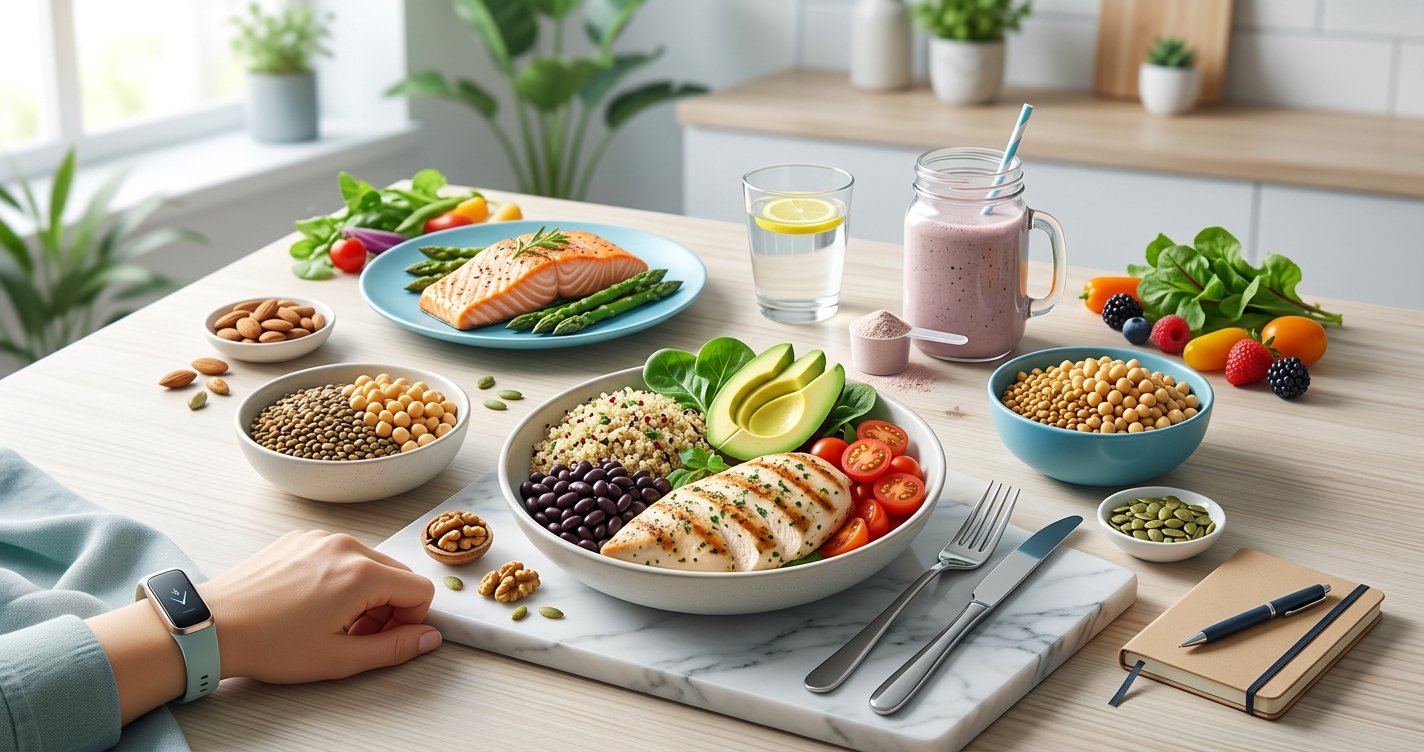
Not all protein sources are created equal. While variety is key, focusing on high-quality, lean sources will provide your body with the essential amino acids it needs without excessive calories or unhealthy fats. Here are some excellent choices:
Lean Animal Proteins
- Chicken Breast & Turkey: Excellent sources of lean protein, versatile for various meals.
- Lean Beef & Pork: Opt for leaner cuts like sirloin, tenderloin, or extra-lean ground options.
- Fish & Seafood: Salmon, tuna, cod, shrimp, and tilapia are packed with protein and often beneficial omega-3 fatty acids.
- Eggs: A complete protein source, incredibly versatile, and relatively inexpensive.
- Dairy: Greek yogurt, cottage cheese, and skim milk are high in protein and calcium, and great for snacks or meal additions.
Plant-Based Proteins
For those following a plant-based diet, or simply looking to diversify their protein sources, there are abundant options:
- Legumes: Lentils, black beans, chickpeas, and kidney beans are rich in protein and fiber.
- Tofu & Tempeh: Soy-based products that are complete protein sources and highly versatile.
- Edamame: Whole, immature soybeans, perfect as a snack or side dish.
- Quinoa: A complete grain that can be used as a base for meals.
- Nuts & Seeds: Almonds, peanuts, chia seeds, flax seeds, and pumpkin seeds offer protein, healthy fats, and fiber (consume in moderation due to calorie density).
- Seitan: A wheat-based protein with a meat-like texture.
Remember to combine different plant-based protein sources throughout the day to ensure you're getting all essential amino acids.
Protein Supplements: When and How to Use Them
Protein powders (whey, casein, soy, pea, hemp, etc.) can be a convenient and effective way to meet your protein targets, especially when you're busy or struggling to get enough from whole foods. They are not magic bullets but rather tools to supplement your diet. Use them wisely:
- Post-Workout: A quick way to kickstart muscle recovery.
- Meal Replacement: Can be used in smoothies as a quick, balanced meal.
- Snack: To boost protein content in oatmeal, yogurt, or just mixed with water.
Always prioritize whole food sources first, as they offer a broader spectrum of nutrients, fiber, and micronutrients that supplements often lack.
Integrating Protein Into Your Daily Life: Practical Tips
Making protein a priority doesn't have to be complicated. Here are some actionable strategies to effortlessly boost your intake:
- Start with Protein at Breakfast: Ditch the sugary cereals. Opt for eggs, Greek yogurt, cottage cheese, or a protein smoothie to kickstart your day with satiety.
- Include Protein in Every Meal: Aim for a palm-sized portion of protein at lunch and dinner. This could be chicken, fish, beans, or tofu.
- Smart Snacking: Instead of chips or cookies, reach for protein-rich snacks like hard-boiled eggs, a handful of almonds, a scoop of cottage cheese, or a protein bar.
- Plan Ahead: Meal prepping on weekends can ensure you have healthy, protein-packed options ready to go during the busy week.
- Hydrate: Sometimes thirst is mistaken for hunger. Drink plenty of water throughout the day.
- Cook in Batches: Prepare larger quantities of lean meat, roasted vegetables, or legumes to easily add to multiple meals.
- Be Mindful of Portions: While protein is great, excess calories from any source can hinder fat loss.
Beyond the Plate: Protein's Role in a Holistic Fat Loss Approach
While prioritizing protein is a powerful strategy, it's important to remember that it's one piece of a larger puzzle. For truly sustainable fat loss and overall health, consider how protein integrates with other vital habits:
- Strength Training: Pairing a high-protein diet with regular resistance exercise is the ultimate duo for building and preserving muscle, which further boosts your metabolism.
- Adequate Sleep: Poor sleep can disrupt hunger hormones and increase cravings, making fat loss harder. Aim for 7-9 hours of quality sleep per night.
- Stress Management: Chronic stress can lead to increased cortisol levels, which can promote fat storage, especially around the midsection. Find healthy ways to manage stress, like meditation, yoga, or spending time in nature.
- Consistency and Patience: Fat loss is a journey, not a race. Be consistent with your protein intake, exercise, and healthy habits, and be patient with your body's progress. Small, consistent changes lead to significant, lasting results.
Conclusion: Empowering Your Journey with Protein
The journey to sustainable fat loss doesn't have to be a battle against hunger and deprivation. By understanding and harnessing the incredible power of protein, you can transform your approach, making it more effective, enjoyable, and enduring. Protein is your ally for enhanced satiety, a boosted metabolism, and the preservation of crucial muscle mass, all of which are fundamental for not just losing fat, but keeping it off.
Start today by making protein a non-negotiable part of every meal and snack. Experiment with different sources, find what you enjoy, and listen to your body. Embrace this science-backed strategy, combine it with smart exercise and healthy lifestyle choices, and watch as you build a stronger, leaner, and more vibrant you. Your sustainable fat loss journey isn't just about reaching a number on the scale; it's about building a healthier, happier life, fueled by the power of protein.