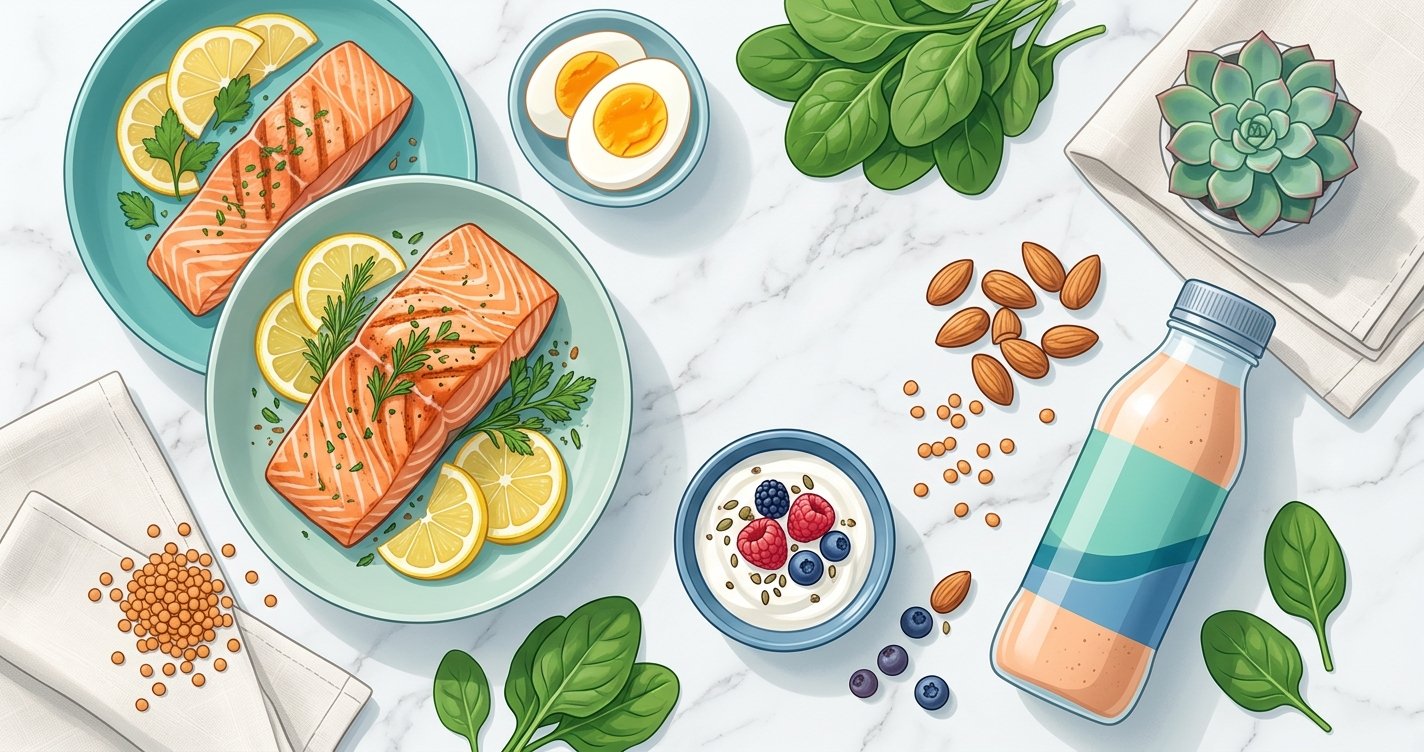
The Power of Protein for Sustainable Fat Loss: Your Secret Weapon
Are you tired of the yo-yo diet cycle? Frustrated by quick fixes that leave you feeling hungry, deprived, and ultimately back where you started? If you've been on a quest for sustainable fat loss, it's time to unlock the true potential of a nutrient that's often misunderstood, yet incredibly powerful: protein.
While protein has long been revered by bodybuilders, its benefits extend far beyond building bulging biceps. For anyone serious about shedding fat, preserving precious muscle, and maintaining a healthy weight long-term, protein is your unsung hero. It's not just about eating more chicken; it's about understanding why protein is a game-changer and how to strategically incorporate it into your diet. this excellent wellness product
In this comprehensive guide, we'll dive deep into the science-backed reasons why protein is your most valuable player (MVP) in the fat loss journey. Get ready to discover how protein can boost your metabolism, keep hunger at bay, and help you sculpt a leaner, stronger body without resorting to extreme measures.
Why Protein is Your Fat Loss MVP (Most Valuable Player)
When it comes to losing fat, many people focus solely on cutting calories. While a calorie deficit is essential, the composition of those calories matters immensely. This is where protein shines, offering several unique advantages.
The Thermic Effect of Food (TEF): Burn More Calories Just By Eating!
Imagine burning extra calories simply by digesting your food. Sounds too good to be true? Not with protein! The 'Thermic Effect of Food' (TEF), also known as diet-induced thermogenesis, is the energy your body expends to digest, absorb, and metabolize the nutrients you consume. And protein has the highest TEF of all macronutrients.
- Protein: 20-30% of its caloric value is burned during digestion.
- Carbohydrates: 5-10%
- Fats: 0-3%
This means if you eat 100 calories of protein, your body uses 20-30 of those calories just to process it, leaving you with a net intake of 70-80 calories. Compare that to 100 calories of fat, where almost all of it is stored. Over the course of a day, a higher protein intake can significantly increase your total daily energy expenditure, giving you a metabolic edge without any extra effort.
Boosting Your Metabolism: It's More Than Just TEF
Beyond the immediate digestive burn, protein plays a crucial role in maintaining and boosting your resting metabolism. How? By helping you preserve muscle mass.
Muscle tissue is metabolically active, meaning it burns more calories at rest compared to fat tissue. When you're in a calorie deficit, your body can sometimes break down muscle for energy, which is counterproductive to fat loss goals. Losing muscle means a slower metabolism, making it harder to keep the weight off in the long run. High protein intake, especially when combined with resistance training, signals to your body to hold onto that precious muscle, ensuring your metabolic engine stays revving high.
The Satiety Secret: Feeling Fuller, Longer, and Smarter
One of the biggest hurdles in fat loss is battling hunger and cravings. This is where protein truly becomes your secret weapon, helping you feel satisfied and in control.
Taming Hunger Hormones: Ghrelin and GLP-1
Protein has a profound impact on the hormones that regulate hunger and fullness. Specifically, it:
- Reduces Ghrelin: Often called the 'hunger hormone,' ghrelin levels typically rise when you haven't eaten, signaling to your brain that it's time to find food. Protein helps suppress ghrelin, delaying the onset of hunger.
- Increases GLP-1 and PYY: These are 'satiety hormones' that are released from your gut after eating. Protein consumption significantly boosts their production, sending strong signals of fullness to your brain.
The result? You feel fuller for longer, experience fewer intense cravings, and find it much easier to stick to your calorie goals without constant battles against your appetite. This isn't just about willpower; it's about working with your body's natural hunger signals.
The Psychological Edge: Less Obsession, More Satisfaction
Beyond the hormonal effects, protein provides a powerful psychological advantage. When you're genuinely satisfied after a meal, your mind isn't constantly preoccupied with thoughts of food. This frees up mental energy, reduces the likelihood of emotional eating, and makes mindful eating practices more effective. You're less likely to mindlessly snack or graze when you're truly content with your previous meal.
Building Blocks for Muscle: Preserving Lean Mass While Losing Fat
True fat loss isn't just about seeing a lower number on the scale; it's about improving your body composition – losing fat while maintaining or even building muscle. This is where protein's role as the 'building block' of life becomes critical.
Protecting Your Metabolic Engine: Why Muscle Matters
As mentioned, muscle is metabolically active. When you're in a calorie deficit, your body is smart but sometimes indiscriminant. It wants to use stored energy, and if protein intake is too low, it might tap into your muscle tissue for amino acids. This leads to muscle loss, which not only weakens your body but also slows down your metabolism, making future fat loss harder and increasing the risk of weight regain.
A high protein intake provides a steady supply of amino acids, signaling to your body that it has ample building blocks available. This helps preserve your existing muscle mass, ensuring that the weight you lose is predominantly fat, not muscle.
Synergy with Strength Training: The Ultimate Combo
While protein alone is powerful, its effects are amplified exponentially when combined with resistance training. Lifting weights creates tiny micro-tears in your muscle fibers, which your body then repairs and rebuilds stronger. Protein provides the essential amino acids for this repair process, leading to muscle preservation and even growth (hypertrophy) even during a fat loss phase. This synergy is the ultimate combination for sculpting a lean, strong, and metabolically efficient physique.
How Much Protein Do You Really Need for Fat Loss?
The standard Recommended Dietary Allowance (RDA) for protein is 0.8 grams per kilogram (g/kg) of body weight, designed to prevent deficiency for the average sedentary adult. However, for active individuals or those specifically aiming for fat loss and muscle preservation, this amount is often insufficient.
General Guidelines vs. Individual Needs
For optimal fat loss and muscle preservation, research suggests a significantly higher protein intake. General recommendations often fall in the range of:
- 1.6 to 2.2 grams of protein per kilogram of body weight.
For example, a 70 kg (154 lb) individual would aim for roughly 112-154 grams of protein per day. If you are very active, in a significant calorie deficit, or have a higher percentage of lean body mass, you might even benefit from the higher end of this range, sometimes up to 2.5 g/kg.
Remember, these are general guidelines. It's always a good idea to listen to your body and, if in doubt, consult with a registered dietitian or healthcare professional to tailor a plan to your specific needs and health status.
Spreading It Out: The Importance of Distribution
It's not just about your total daily protein intake; how you distribute it throughout the day also matters. Research suggests that spreading your protein intake across multiple meals and snacks can be more effective for muscle protein synthesis (the process of building and repairing muscle) and satiety than consuming one or two large protein-heavy meals.
Aim for roughly 20-40 grams of protein at each main meal (breakfast, lunch, dinner) and include protein in your snacks. This consistent supply of amino acids helps keep muscle protein synthesis elevated and hunger at bay throughout the day.
Smart Protein Sources: From Plates to Powders
Incorporating more protein into your diet doesn't have to be bland or boring. There's a wide variety of delicious and nutritious sources to choose from.
Lean Meats & Poultry: The Classics
- Chicken Breast: A lean, versatile staple.
- Turkey: Ground turkey, turkey breast, or turkey deli meat.
- Lean Beef: Sirloin, tenderloin, or lean ground beef.
- Pork Loin: A surprisingly lean cut of pork.
Fish & Seafood: Omega-3 Bonus
- Salmon: Rich in protein and healthy omega-3 fatty acids.
- Tuna: Canned or fresh, a convenient protein source.
- Cod, Tilapia, Haddock: Lean white fish options.
- Shrimp & Scallops: Low-calorie, high-protein choices.
Dairy & Eggs: Versatile Powerhouses
- Greek Yogurt: High in protein, great for snacks or breakfast.
- Cottage Cheese: Another excellent slow-digesting protein source.
- Eggs: The perfect complete protein, incredibly versatile.
- Milk: A good source of protein and calcium.
Plant-Based Proteins: For Everyone
Don't eat meat? No problem! There are abundant plant-based protein sources:
- Legumes: Lentils, black beans, chickpeas, kidney beans.
- Tofu & Tempeh: Soy-based products, great meat alternatives.
- Edamame: Whole soybeans, perfect for snacking.
- Quinoa: A complete protein grain.
- Seitan: Wheat gluten, a high-protein meat substitute.
- Nuts & Seeds: Almonds, peanuts, chia seeds, flax seeds (in moderation due to calorie density).
Protein Supplements: When They Can Help
While whole food sources should always be your primary focus, protein supplements can be a convenient and effective way to meet your protein goals, especially if you're very active, busy, or struggling to hit your targets through food alone.
- Whey Protein: Fast-digesting, ideal post-workout.
- Casein Protein: Slow-digesting, great before bed or for sustained release.
- Plant-Based Protein Powders: Pea, rice, hemp, or soy protein for vegan options.
Remember, supplements are designed to *supplement* your diet, not replace whole foods.
Making Protein Work for You: Practical Tips & Meal Ideas
Now that you understand the 'why' and 'what,' let's talk about the 'how' to seamlessly integrate more protein into your daily routine.
Prioritize Protein at Every Meal
Make protein the star of your plate. Instead of starting with a carb or fat, think about your protein source first. For example:
- Breakfast: Scrambled eggs with spinach, Greek yogurt with berries, protein smoothie.
- Lunch: Large salad with grilled chicken or chickpeas, tuna salad on whole-wheat bread, lentil soup.
- Dinner: Baked salmon with roasted vegetables, lean ground turkey stir-fry, tofu curry.
Smart Snacking
When hunger strikes between meals, reach for protein-rich snacks that will actually satisfy you:
- Hard-boiled eggs
- A handful of almonds or walnuts
- Cottage cheese with a few apple slices
- A small serving of Greek yogurt
- Jerky or biltong (check for low sugar options)
Meal Prep Like a Pro
Dedicate some time each week to prepare protein sources in bulk. Cook a large batch of chicken breast, roast some fish, or prepare a big pot of lentils. This makes grabbing a healthy, protein-rich meal quick and easy during busy weekdays.
Hydration & Fiber: The Unsung Heroes
While protein is paramount, remember that it works best within a balanced, well-rounded diet. Ensure you're staying adequately hydrated (water is crucial for metabolism and satiety) and getting enough fiber from fruits, vegetables, and whole grains. Fiber also aids in satiety and digestive health, complementing protein's benefits beautifully.
Common Protein Myths Debunked
Despite its proven benefits, protein often gets a bad rap due to persistent myths. Let's set the record straight.
"Too Much Protein is Bad for Your Kidneys"
This is one of the most common concerns, but for healthy individuals with normally functioning kidneys, there is no scientific evidence to support that a high-protein diet causes kidney damage. Studies have consistently shown that higher protein intakes are safe and beneficial. If you have pre-existing kidney disease, then protein intake should be monitored under medical supervision, but this is a different scenario entirely.
"Protein Makes You Bulky"
This myth is particularly prevalent among women. While protein is essential for muscle growth, getting "bulky" requires a significant calorie surplus, intense training, and often, specific hormonal profiles (which women generally lack compared to men). Consuming adequate protein for fat loss will help you develop a lean, toned physique, not an overly muscular one, especially when combined with a calorie deficit.
Conclusion: Make Protein Your Ally for Sustainable Fat Loss
Protein is far more than just a nutrient; it's a powerful tool in your fat loss arsenal. By understanding and leveraging its unique benefits – from boosting your metabolism and enhancing satiety to preserving vital muscle mass – you can transform your approach to weight management from a constant battle into a sustainable, enjoyable journey.
Forget the fleeting promises of crash diets and embrace the lasting power of protein. Make it a priority in every meal, choose smart sources, and combine it with a well-rounded diet and active lifestyle. When you make protein your ally, you're not just losing weight; you're building a stronger, healthier, and more resilient body that's primed for long-term success.
Ready to feel fuller, stronger, and more in control? Start prioritizing protein on your plate today!