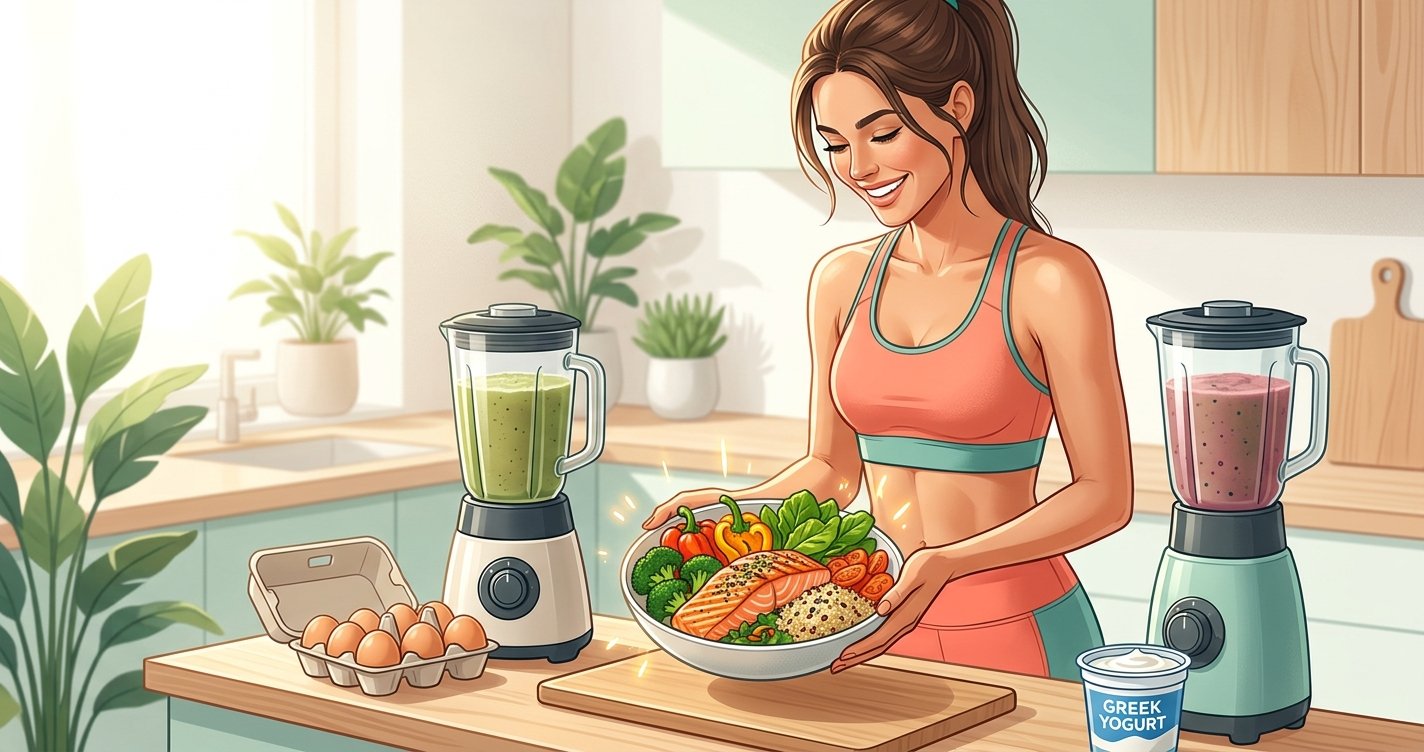
Power Up Your Fat Loss: Why Protein is Your Secret Weapon for a Leaner You
Embarking on a fat loss journey can sometimes feel like navigating a maze of conflicting advice. We're often told to cut calories, reduce carbs, or avoid fats, but one nutrient consistently stands out as an undeniable ally: protein. Forget the myth that protein is just for bodybuilders! For anyone looking to shed unwanted fat, improve body composition, and feel fantastic, protein is an absolute game-changer. It's not just about building muscle; it's about smart, sustainable, and satisfying fat loss.
In this friendly, evidence-based guide, we'll dive deep into why protein is your ultimate partner in achieving your fat loss goals. We'll explore its incredible benefits, help you figure out how much you truly need, and give you practical tips to easily incorporate more of this powerhouse nutrient into your daily life. Get ready to unlock the full potential of protein and transform your fat loss journey! this excellent wellness product
Why Protein is More Than Just Muscle Food: The Fat Loss Advantage
Protein plays multiple crucial roles in your body, but its impact on fat loss is particularly profound. It influences hunger, metabolism, and muscle preservation, making it an indispensable tool in your dietary arsenal.
1. The Satiety Superstar: Feeling Full, Naturally
One of the biggest challenges in fat loss is managing hunger and cravings when you're eating fewer calories. This is where protein truly shines. Protein has a remarkable ability to increase satiety – the feeling of fullness and satisfaction after a meal – far more effectively than carbohydrates or fats. This isn't just anecdotal; science backs it up!
When you consume protein, it triggers the release of specific hormones like peptide YY (PYY) and glucagon-like peptide-1 (GLP-1), which signal to your brain that you're full. It also helps to suppress ghrelin, the 'hunger hormone'. Studies have consistently shown that higher protein diets lead to reduced overall calorie intake, simply because you feel more satisfied and less inclined to snack or overeat. Imagine feeling genuinely full and content after your meals, making it much easier to stick to your calorie goals without feeling deprived!
2. The Thermic Effect of Food (TEF): Burning Calories Just By Eating
Did you know your body expends energy just to digest, absorb, and metabolize the food you eat? This is known as the Thermic Effect of Food (TEF), and protein has the highest TEF of all macronutrients. Approximately 20-30% of the calories you consume from protein are burned off during the digestion process itself, compared to 5-10% for carbohydrates and a mere 0-3% for fats.
While this might seem like a small number, it adds up over the course of a day and week. By prioritizing protein, you're essentially giving your metabolism a slight, consistent boost, helping you burn a few extra calories without doing anything extra. It's like a metabolic bonus just for choosing protein!
3. Preserving Muscle Mass: The Key to a Revved-Up Metabolism
When you're in a calorie deficit to lose fat, your body doesn't always discriminate; it can sometimes break down muscle tissue along with fat. This is detrimental to your fat loss goals because muscle is metabolically active – it burns more calories at rest than fat does. Losing muscle means your resting metabolic rate (RMR) can decrease, making it harder to continue losing fat and easier to regain it.
Adequate protein intake is crucial for preserving lean muscle mass during fat loss, especially when combined with resistance training. Protein provides the amino acids necessary for muscle protein synthesis (MPS), the process by which your body repairs and builds muscle. By supplying your body with enough protein, you signal it to hold onto that precious muscle, ensuring that the weight you lose is primarily fat, not muscle. This keeps your metabolism humming and your body composition looking strong and toned.
4. Curbing Cravings and Late-Night Snacking
Beyond general satiety, protein plays a vital role in stabilizing blood sugar levels, which can be a major factor in controlling cravings. Unlike refined carbohydrates that can cause rapid spikes and crashes in blood sugar, protein helps to slow down digestion and provides a more sustained release of energy. This steadier blood sugar helps prevent those intense hunger pangs and sugary cravings that often strike between meals or late in the evening.
Including protein in every meal and snack can act as a powerful deterrent against impulsive eating, helping you make smarter food choices and stay on track with your fat loss efforts.
How Much Protein Do You Really Need for Fat Loss?
The optimal protein intake for fat loss can vary based on individual factors like activity level, current weight, and body composition goals. However, general guidelines exist to help you get started.
General Guidelines: A Starting Point
For individuals actively trying to lose fat while preserving muscle, a common recommendation is to consume between 1.6 to 2.2 grams of protein per kilogram of body weight (or approximately 0.7 to 1 gram per pound of lean body mass). For example, if you weigh 70 kg (about 154 lbs), aiming for 112-154 grams of protein per day would be a great target.
If you're very active, engage in intense resistance training, or are in a more aggressive calorie deficit, you might even benefit from the higher end of this range. Don't be afraid to experiment and see what works best for your body and keeps you feeling satisfied and energized.
Spreading It Out: The Power of Distribution
Instead of trying to hit your protein target in one or two large meals, aim to distribute your protein intake throughout the day. Your body can only effectively utilize a certain amount of protein for muscle protein synthesis at one time (roughly 20-40 grams per meal). Spreading your protein across 3-5 meals and snacks ensures a consistent supply of amino acids, maximizing muscle preservation and satiety.
Smart Protein Sources: Fueling Your Body Right
Achieving your protein goals doesn't have to be complicated or boring. There's a vast array of delicious and nutritious protein sources available:
Lean Animal Proteins:
- Chicken Breast & Turkey: Excellent lean sources, versatile for many dishes.
- Lean Beef & Pork: Choose leaner cuts to minimize saturated fat.
- Fish & Seafood: Salmon, tuna, cod, shrimp are packed with protein and often healthy fats.
- Eggs: The incredible edible egg is a complete protein source, perfect for any meal.
- Dairy: Greek yogurt, cottage cheese, milk, and whey protein are fantastic for protein boosts.
Plant-Based Proteins:
- Legumes: Lentils, chickpeas, black beans, and kidney beans are fiber-rich and great in stews, salads, or as a side.
- Tofu & Tempeh: Versatile soy products that absorb flavors beautifully.
- Edamame: A delicious and easy snack or addition to stir-fries.
- Quinoa: A complete protein grain, great as a rice alternative.
- Nuts & Seeds: Almonds, peanuts, chia seeds, flax seeds – good for snacks or adding to meals (in moderation due to calorie density).
Protein Supplements:
- Whey Protein: Fast-digesting, ideal post-workout or as a quick snack.
- Casein Protein: Slow-digesting, excellent before bed for sustained amino acid release.
- Plant-Based Protein Powders: Pea, rice, hemp proteins are great alternatives for those avoiding animal products.
Remember, supplements are just that – supplements. They're excellent for convenience and filling gaps, but prioritize whole food sources for a broader range of nutrients.
Putting It Into Practice: Actionable Tips for a Protein-Rich Day
Ready to make protein your fat loss ally? Here are some simple, actionable tips to increase your intake:
- Start Your Day with Protein: Instead of sugary cereals, opt for eggs, Greek yogurt with berries, or a protein smoothie.
- Include Protein in Every Meal: Make protein the cornerstone of your breakfast, lunch, and dinner.
- Smart Snacking: Keep protein-rich snacks on hand like hard-boiled eggs, a handful of almonds, cottage cheese, or a protein bar.
- Plan Ahead: Meal prepping can ensure you always have protein-packed options ready to go. Cook a batch of chicken or lentils at the beginning of the week.
- Read Food Labels: Pay attention to the protein content in your packaged foods and choose options that offer a good protein punch.
- Don't Fear Healthy Fats & Carbs: Protein works best within a balanced diet. Combine your protein sources with plenty of vegetables, fruits, and healthy fats.
The Takeaway: Embrace Protein for Sustainable Fat Loss
Protein isn't just a nutrient; it's a powerful tool in your fat loss toolkit. By leveraging its incredible ability to boost satiety, enhance metabolism, preserve muscle, and control cravings, you can make your journey to a leaner, healthier you significantly more effective and enjoyable. It's not about magic bullets or extreme restrictions; it's about smart, evidence-based choices that empower you to feel your best.
So, go ahead and embrace protein. Make it a priority in your daily meals, and watch as it helps you build a stronger, leaner body, one delicious, satisfying bite at a time. Your fat loss journey just got a whole lot smoother!