Are you on a mission to shed stubborn fat and sculpt a leaner, more vibrant physique? If so, you've likely heard a lot about various diets, exercise routines, and quick fixes. But what if we told you there's one incredibly powerful nutrient that often doesn't get the spotlight it deserves in the fat loss journey? We're talking about protein!
Protein isn't just for bodybuilders or athletes; it's a foundational pillar for anyone looking to optimize their body composition, feel fuller for longer, and truly power up their fat loss efforts. Forget restrictive diets and endless cardio – understanding and prioritizing protein intake can be a game-changer. Let's dive deep into why protein is your ultimate ally in achieving sustainable fat loss, backed by science and delivered with a friendly, encouraging tone. this excellent wellness product
Why Protein is Your Fat Loss MVP (Most Valuable Player)
When it comes to losing fat, many people focus solely on calorie restriction. While a calorie deficit is essential, how you achieve that deficit and what your body does with those calories makes a huge difference. This is where protein steps in as the MVP.
1. The Thermic Effect of Food (TEF): Burn More Just By Eating!
Did you know that your body expends energy just to digest, absorb, and metabolize the food you eat? This is called the Thermic Effect of Food (TEF), and protein has the highest TEF of all macronutrients. Roughly 20-30% of the calories you get from protein are burned off during its digestion. Compare that to carbohydrates (5-10%) and fats (0-3%). This means that by simply increasing your protein intake, you're boosting your daily calorie expenditure without even hitting the gym!
2. Satiety and Hunger Control: Say Goodbye to Cravings
One of the biggest hurdles in any fat loss journey is battling hunger and cravings. Protein is a champion at promoting satiety – the feeling of fullness and satisfaction. It signals to your brain that you've eaten enough, helping to reduce overall calorie intake throughout the day. Studies consistently show that higher protein diets lead to reduced appetite, fewer late-night snacks, and a greater sense of control over your eating habits. Imagine feeling satisfied after meals, making it easier to stick to your fat loss goals!
3. Muscle Preservation: Protect Your Metabolism
When you're in a calorie deficit, your body doesn't just burn fat; it can also break down muscle tissue for energy. Losing muscle is detrimental because muscle is metabolically active – it burns more calories at rest than fat does. A higher protein intake, especially when combined with strength training, helps preserve precious muscle mass during fat loss. This means you maintain a higher resting metabolism, making it easier to keep the fat off in the long run and achieve that toned look you desire.
The Science-Backed Benefits of High Protein Intake
The evidence is clear: prioritizing protein is a smart strategy for fat loss and overall health.
- Enhanced Fat Loss: Research consistently demonstrates that individuals on higher protein diets lose more body fat and less lean muscle mass compared to those consuming lower protein.
- Improved Body Composition: It's not just about the number on the scale. A high-protein diet helps you achieve a more favorable body composition – less fat, more muscle – which is key for a strong, healthy physique.
- Reduced Abdominal Fat: Some studies suggest that diets higher in protein may be particularly effective at reducing harmful abdominal fat, which is linked to various health issues.
- Better Blood Sugar Control: Protein can help stabilize blood sugar levels, preventing those sharp spikes and crashes that often lead to cravings and overeating.
How Much Protein Do You Really Need for Fat Loss?
This is a common question, and the answer isn't a one-size-fits-all. While the Recommended Dietary Allowance (RDA) for protein is 0.8 grams per kilogram of body weight (0.36 grams per pound), this is generally considered the minimum to prevent deficiency, not necessarily optimal for fat loss or muscle preservation.
For active individuals and those specifically aiming for fat loss, research suggests a higher intake. A good starting point is:
- 1.6 to 2.2 grams of protein per kilogram of body weight (0.7 to 1.0 grams per pound of body weight).
For example, if you weigh 70 kg (about 154 lbs), you'd aim for roughly 112-154 grams of protein per day. If you're very active or significantly overweight, your needs might be slightly higher. Don't be afraid to experiment within this range to find what makes you feel best and supports your goals. Importantly, for healthy individuals, consistently consuming protein within this range is generally safe and beneficial.
Practical Strategies: Making Protein Work for You
Knowing why protein is important is one thing; consistently incorporating it into your daily diet is another. Here are actionable tips to boost your protein intake:
1. Distribute Protein Throughout the Day
Instead of front-loading protein or saving it all for dinner, aim to include a good source of protein at every meal and snack. This helps maximize muscle protein synthesis, keeps you feeling fuller for longer, and stabilizes blood sugar. Think 20-40 grams per meal, depending on your total daily target.
2. Prioritize Whole Food Sources
While supplements have their place, focus primarily on getting your protein from whole, unprocessed foods. These foods also provide essential vitamins, minerals, and fiber that work synergistically to support your health and fat loss efforts.
3. Smart Snacking
Opt for protein-rich snacks over sugary or carb-heavy options. Greek yogurt, a handful of almonds, cottage cheese, hard-boiled eggs, or a small piece of turkey jerky can make a huge difference in managing hunger between meals.
4. Don't Be Afraid of Supplements (When Needed)
Protein powders (whey, casein, plant-based) can be convenient and effective tools to help you hit your daily protein targets, especially if you have a busy lifestyle or struggle to get enough from food alone. They are not magic pills but a helpful dietary aid.
Delicious Protein Sources to Boost Your Diet
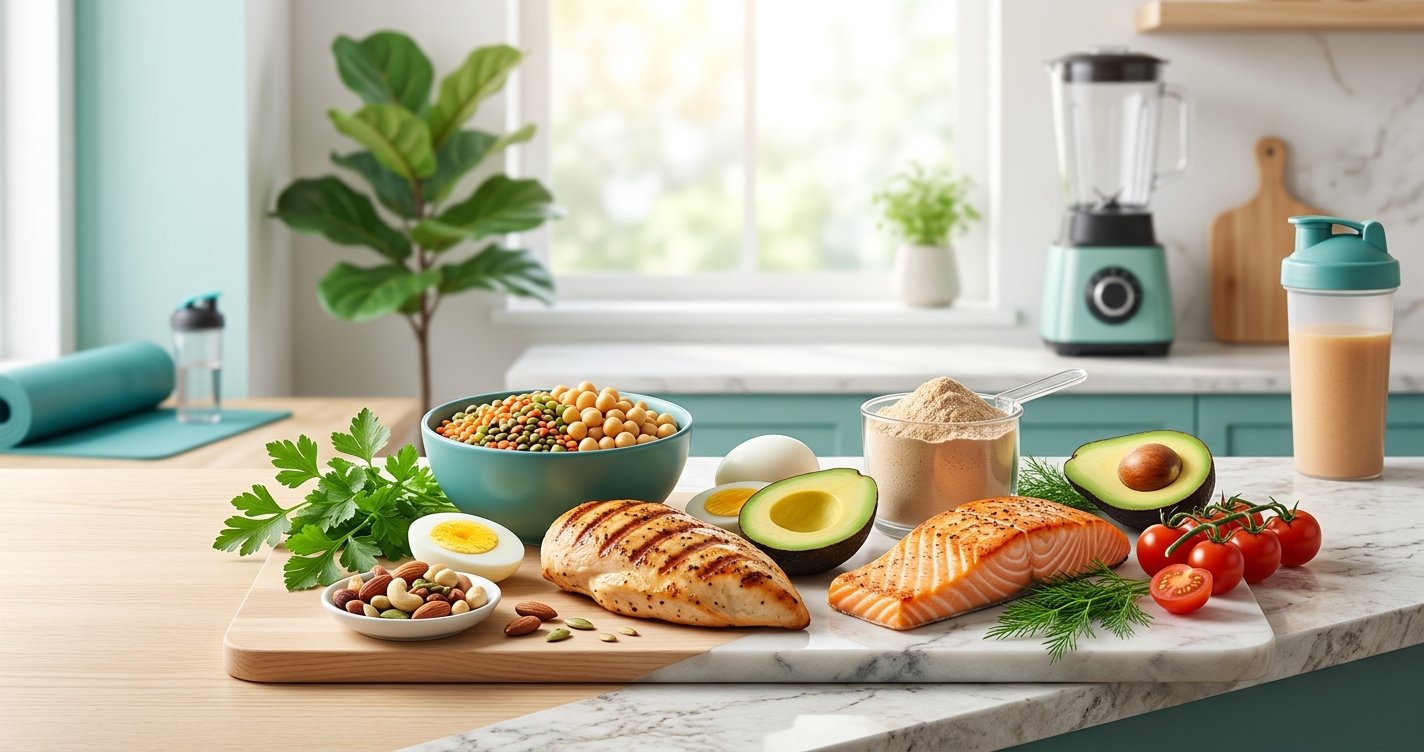
Incorporating more protein doesn't have to be boring! Here's a list of fantastic, versatile protein sources:
- Lean Meats: Chicken breast, turkey, lean beef cuts (sirloin, round), pork loin.
- Fish and Seafood: Salmon, tuna, cod, shrimp, tilapia – excellent sources of lean protein and often healthy fats.
- Eggs: The incredible edible egg! A complete protein, versatile, and affordable.
- Dairy: Greek yogurt (high in protein, especially plain), cottage cheese, milk, kefir.
- Legumes & Plant-Based: Lentils, chickpeas, black beans, edamame, tofu, tempeh, seitan.
- Nuts & Seeds: Almonds, peanuts, chia seeds, flax seeds (good for protein but also calorie-dense, so moderate portions).
- Protein Powders: Whey, casein, soy, pea, rice protein.
Busting Protein Myths and Misconceptions
Let's clear up some common worries about protein:
Myth 1: "Protein will make me bulky."
Especially common among women, this is simply not true. Building significant muscle mass requires intense training, a calorie surplus, and often specific hormonal profiles. Eating more protein will help you build and preserve lean muscle, giving you a toned, athletic look, not an overly bulky one.
Myth 2: "Too much protein is bad for your kidneys."
For healthy individuals with no pre-existing kidney conditions, there is extensive research showing that a high-protein diet (even up to 2.2-3.4 g/kg body weight) does not harm kidney function. If you have kidney disease, consult your doctor regarding protein intake.
Myth 3: "Only bodybuilders need high protein."
As we've explored, anyone looking to manage their weight, improve body composition, feel fuller, and support an active lifestyle can benefit significantly from a higher protein intake. It's a key nutrient for everyone!
Embrace Protein for Lasting Fat Loss
The journey to lasting fat loss isn't about deprivation or unsustainable extremes; it's about making smart, evidence-based choices that nourish your body and support your goals. Protein is undeniably one of the most powerful tools in your fat loss toolkit. By understanding its benefits and making conscious efforts to include more high-quality protein in your diet, you'll not only accelerate your fat loss but also build a stronger, more resilient, and more energized you.
Start small, make gradual changes, and listen to your body. You'll be amazed at the difference protein can make in helping you achieve a leaner, healthier, and happier self. Power up your plate, power up your progress!