Tired of the Yo-Yo? Why Protein is Your Secret Weapon for Sustainable Fat Loss
In the vast, often confusing world of fat loss, quick fixes and trendy diets come and go. Many promise rapid results, only to leave you feeling frustrated, deprived, and often heavier than before. If you've been on this rollercoaster, you're not alone. But what if there was a powerful, evidence-based strategy that could not only help you shed unwanted fat but also build a stronger, healthier, and more resilient body? Enter protein.
Often relegated to the realm of bodybuilders and elite athletes, protein is, in fact, an unsung hero for anyone looking to achieve sustainable fat loss. It’s not just about building big muscles; it's about optimizing your metabolism, controlling your hunger, and preserving the lean mass that keeps your body functioning at its best. This isn't another fad diet; it's a fundamental shift in how you approach nutrition, backed by solid science, and designed for lasting success. this excellent wellness product
Ready to discover why making protein a priority can revolutionize your fat loss journey? Let's dive into the powerful benefits that make it your ultimate ally.
Beyond the Hype: The Science of Protein for Fat Loss
Keep Cravings at Bay: Protein's Power of Satiety
One of the biggest hurdles in any fat loss journey is managing hunger and cravings. This is where protein truly shines. Research consistently shows that protein is the most satiating macronutrient, meaning it keeps you feeling fuller for longer compared to carbohydrates or fats. How does it work?
- Slower Digestion: Protein takes more time and energy for your body to digest and absorb. This prolonged process means your stomach stays full for a longer period, sending signals of satisfaction to your brain.
- Hormone Regulation: Eating protein triggers the release of specific hormones, such as GLP-1 and PYY, which are known to reduce appetite and promote feelings of fullness. Simultaneously, it helps to suppress ghrelin, the 'hunger hormone,' effectively turning down your body's urge to eat.
By incorporating adequate protein into your meals, you're less likely to experience those sudden, overwhelming urges to snack on unhealthy foods. This natural reduction in overall calorie intake, without feeling deprived, is a cornerstone of sustainable fat loss.
The Thermic Effect: Burn More Calories Just by Eating!
Imagine being able to burn more calories simply by eating certain foods. This isn't magic; it's the Thermic Effect of Food (TEF), also known as diet-induced thermogenesis. TEF is the energy your body expends to digest, absorb, transport, and store the nutrients from the food you eat. And guess which macronutrient has the highest TEF?
You guessed it: protein. While carbohydrates have a TEF of 5-10% and fats are even lower at 0-3%, protein boasts an impressive TEF of 20-30%. This means that for every 100 calories of protein you consume, your body uses 20-30 of those calories just to process it. While it might seem like a small amount on its own, this consistent, daily boost in calorie expenditure can significantly contribute to creating the calorie deficit necessary for fat loss over time.
Preserve Your Muscle, Boost Your Metabolism
When you embark on a fat loss journey, the goal is to lose fat, not muscle. Unfortunately, during a calorie deficit, your body can sometimes break down muscle tissue for energy, especially if protein intake is insufficient. This is a problem because muscle is metabolically active; it burns more calories at rest than fat tissue does.
Adequate protein intake is crucial for preserving lean muscle mass while you're in a calorie deficit. Protein provides the essential amino acids your body needs to repair and build muscle. When combined with strength training, a high-protein diet becomes incredibly effective at maintaining or even increasing muscle mass, which in turn keeps your metabolism revving. This prevents the dreaded metabolic slowdown often associated with dieting, making it easier to sustain fat loss and keep the weight off long-term.
How Much Protein Do You Really Need for Optimal Fat Loss?
So, if protein is such a powerhouse, how much should you be aiming for? While general dietary guidelines often suggest around 0.8 grams of protein per kilogram of body weight for sedentary adults, those actively pursuing fat loss and engaging in exercise will benefit from significantly more.
For optimal fat loss and muscle preservation, a common recommendation is to consume between 1.6 to 2.2 grams of protein per kilogram of body weight (or approximately 0.7 to 1.0 grams per pound of lean body mass). For a person weighing 70kg (about 154 lbs), this would translate to roughly 112-154 grams of protein per day. It’s important to spread this intake throughout the day, aiming for 20-40 grams per meal and snack, to maximize muscle protein synthesis and satiety.
Listen to your body, consider your activity level, and if in doubt, consulting with a registered dietitian or nutritionist can provide personalized guidance.
Fueling Your Journey: Smart Protein Choices
Now that you know how much protein to aim for, let's talk about where to get it. The good news is that there are many delicious and versatile sources available, catering to various dietary preferences.
Lean Animal Proteins
- Chicken & Turkey: Breast and lean cuts are excellent, low-fat sources.
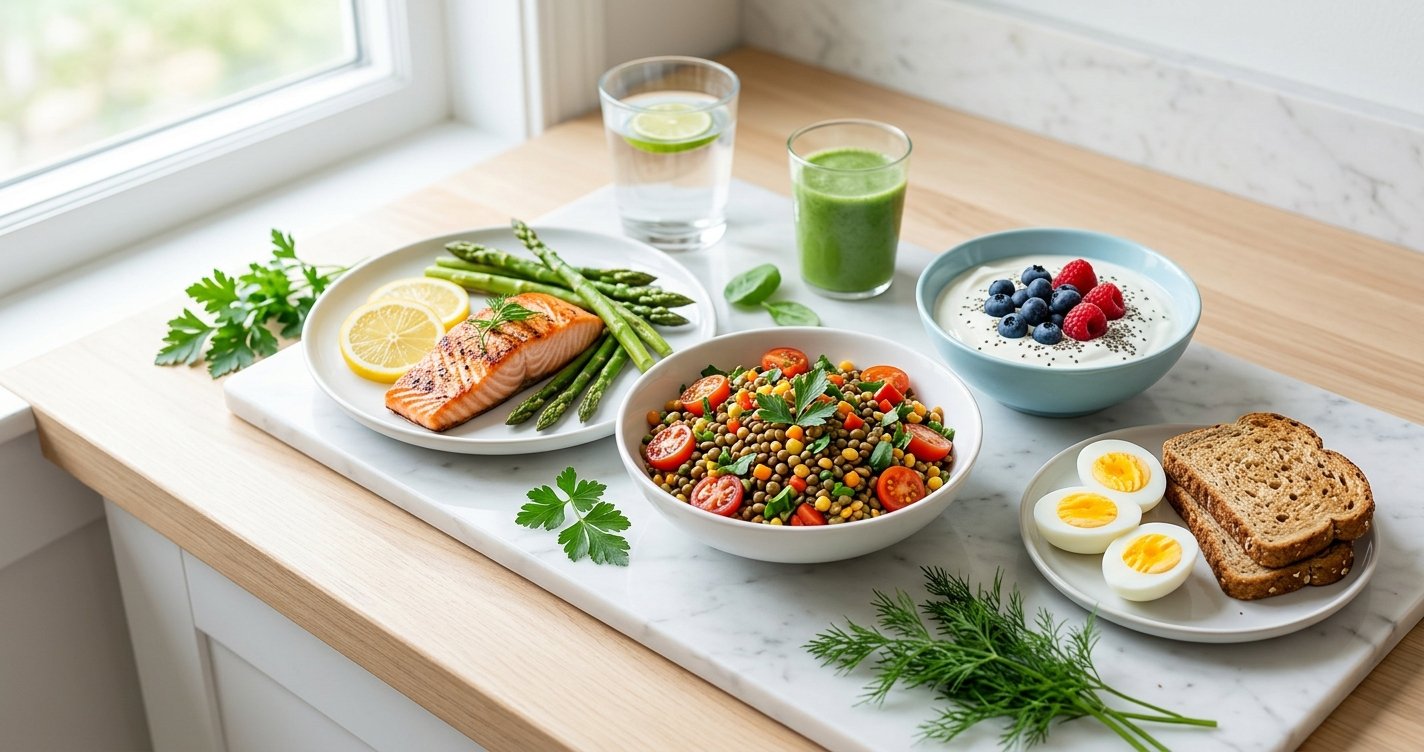
- Fish: Salmon, tuna, cod, and tilapia are packed with protein, and fatty fish like salmon also offer beneficial omega-3s.
- Lean Beef & Pork: Opt for leaner cuts like sirloin, tenderloin, or extra-lean ground options.
- Eggs: A complete protein source, versatile, and affordable.
- Dairy: Greek yogurt, cottage cheese, milk, and whey protein are fantastic sources, often offering calcium and probiotics too.
Plant-Based Proteins
- Legumes: Lentils, chickpeas, black beans, and kidney beans are rich in protein and fiber.
- Tofu & Tempeh: Soy-based products that are incredibly versatile and absorb flavors well.
- Edamame: A great snack or addition to salads and stir-fries.
- Quinoa: A complete protein grain, perfect as a side or base for meals.
- Nuts & Seeds: Almonds, peanuts, chia seeds, flax seeds, and pumpkin seeds offer protein, healthy fats, and fiber.
- Plant-Based Protein Powders: Pea, rice, hemp, and soy protein powders can be a convenient way to boost intake, especially for smoothies.
Remember, variety is key! Combining different protein sources ensures you get a wide spectrum of essential amino acids and other vital nutrients.
Practical Strategies to Boost Your Protein Intake
Incorporating more protein into your daily diet doesn't have to be complicated. Here are some simple, actionable tips:
- Start Strong with Breakfast: Ditch sugary cereals. Opt for eggs, Greek yogurt with berries, a protein smoothie, or cottage cheese.
- Protein at Every Meal: Make it a habit to include a lean protein source with every main meal. Think chicken breast with your salad, fish with your veggies, or tofu in your stir-fry.
- Smart Snacking: Instead of chips or cookies, reach for protein-rich snacks like a handful of almonds, a hard-boiled egg, a cheese stick, or a small serving of cottage cheese.
- Don't Forget Lunch: Pack leftovers from a protein-rich dinner, or opt for salads with grilled chicken/fish, or lentil soup.
- Meal Prep for Success: Dedicate some time each week to cook larger batches of protein sources (e.g., grilled chicken, roasted chickpeas) that you can quickly add to meals throughout the week.
- Consider Protein Supplements: If you struggle to meet your protein goals through whole foods alone, a high-quality protein powder (whey, casein, or plant-based) can be a convenient and effective way to supplement your intake. Add it to smoothies, oatmeal, or simply mix with water.
Beyond Protein: A Holistic Approach to Fat Loss
While protein is undeniably a powerful tool, it's important to remember that it's part of a larger picture. Sustainable fat loss is best achieved through a holistic approach that includes:
- A Calorie Deficit: Ultimately, to lose fat, you need to consume fewer calories than you burn. Protein helps achieve this by boosting satiety and TEF.
- Strength Training: Lifting weights is crucial for building and preserving muscle mass, which works synergistically with high protein intake.
- Adequate Sleep: Poor sleep can disrupt hormones that regulate hunger and metabolism, making fat loss harder.
- Stress Management: Chronic stress can lead to elevated cortisol levels, potentially hindering fat loss.
- Hydration: Drinking enough water is vital for overall health and can also aid in satiety.
- Patience & Consistency: Fat loss is a journey, not a race. Consistency in your efforts will yield the best long-term results.
Embrace the Protein Advantage
You now have a clear understanding of why protein is not just a nutrient, but a strategic ally in your quest for sustainable fat loss. From curbing your appetite and boosting your metabolism to preserving precious muscle mass, its benefits are multifaceted and backed by science.
By prioritizing protein in your diet, you're not just aiming for a smaller number on the scale; you're investing in a stronger, healthier, and more energetic you. It's about empowering your body to function optimally, feeling satisfied, and building habits that last a lifetime.
So, take the first step today. Consciously incorporate more protein into your meals and snacks. Experiment with different sources and find what you love. Your body will thank you, and your fat loss journey will become not only more effective but also more enjoyable and sustainable. You've got this!