Are you tired of diet fads that promise rapid fat loss only to leave you feeling hungry, deprived, and eventually, right back where you started? You're not alone. The journey to sustainable fat loss can feel like a maze, filled with conflicting advice and quick-fix temptations. But what if there was one key nutritional player that could make a significant, science-backed difference in your efforts? Enter protein – your often-underestimated ally in achieving not just fat loss, but a healthier, stronger, and more vibrant you.
Forget the old myths about protein being just for bodybuilders. In this comprehensive guide, we're going to dive deep into the undeniable power of protein, exploring how it can transform your body composition, boost your metabolism, keep you feeling full, and ultimately, pave the way for fat loss that actually lasts. Get ready to unlock the protein advantage and embark on a journey towards sustainable health and real results. this excellent wellness product
Why Protein is Your Secret Weapon for Fat Loss (The Science Behind It)
It’s not just anecdotal; the scientific community consistently highlights protein’s pivotal role in weight management, especially fat loss. Here’s why it stands out:
1. The Thermic Effect of Food (TEF): Burn More Calories Just By Eating!
Digesting food actually burns calories. This is known as the Thermic Effect of Food (TEF). Protein has a significantly higher TEF than carbohydrates or fats. This means your body expends more energy breaking down and utilizing protein, giving you a slight metabolic boost with every protein-rich meal. Think of it as a mini-workout for your digestive system!
2. Super Satiety: Conquer Cravings and Stay Full Longer
One of the biggest hurdles in any fat loss journey is hunger. Protein is king when it comes to satiety – the feeling of fullness and satisfaction. Studies consistently show that high-protein meals help reduce appetite and curb cravings more effectively than meals with lower protein content. By keeping you feeling fuller for longer, protein naturally helps you reduce your overall calorie intake without feeling deprived, making adherence to a calorie deficit much easier.
3. Muscle Preservation: Protecting Your Metabolism's Engine
When you're in a calorie deficit to lose fat, your body can sometimes break down muscle tissue for energy, not just fat. This is detrimental because muscle is metabolically active – it burns more calories at rest than fat does. A higher protein intake helps to preserve your precious muscle mass during fat loss, ensuring your metabolism stays revved up and you continue to burn more calories even when you’re not exercising. More muscle also translates to a leaner, more toned physique.
How Much Protein Do You Really Need? (Personalizing Your Intake)
There's no one-size-fits-all answer, but general guidelines exist. For optimal fat loss and muscle preservation, most research suggests a daily protein intake ranging from 1.6 to 2.2 grams of protein per kilogram of body weight. If you're very active or aiming for significant body recomposition, you might even benefit from slightly higher amounts.
- Example: A person weighing 70 kg (approximately 154 lbs) would aim for 112-154 grams of protein per day.
Factors influencing your needs include:
- Activity Level: More active individuals (especially those strength training) require more protein for recovery and muscle growth.
- Age: Protein needs can increase as we age to combat sarcopenia (age-related muscle loss).
- Current Body Composition: If you have more muscle mass, your body generally benefits from more protein.
- Goals: While the range above is great for fat loss, athletes focused on performance might adjust slightly.
Don't fall for the myth that high protein is bad for your kidneys. For healthy individuals with no pre-existing kidney conditions, a higher protein intake within these recommended ranges is generally safe and beneficial.
Top Protein Sources to Power Your Plate (Delicious & Diverse Options)
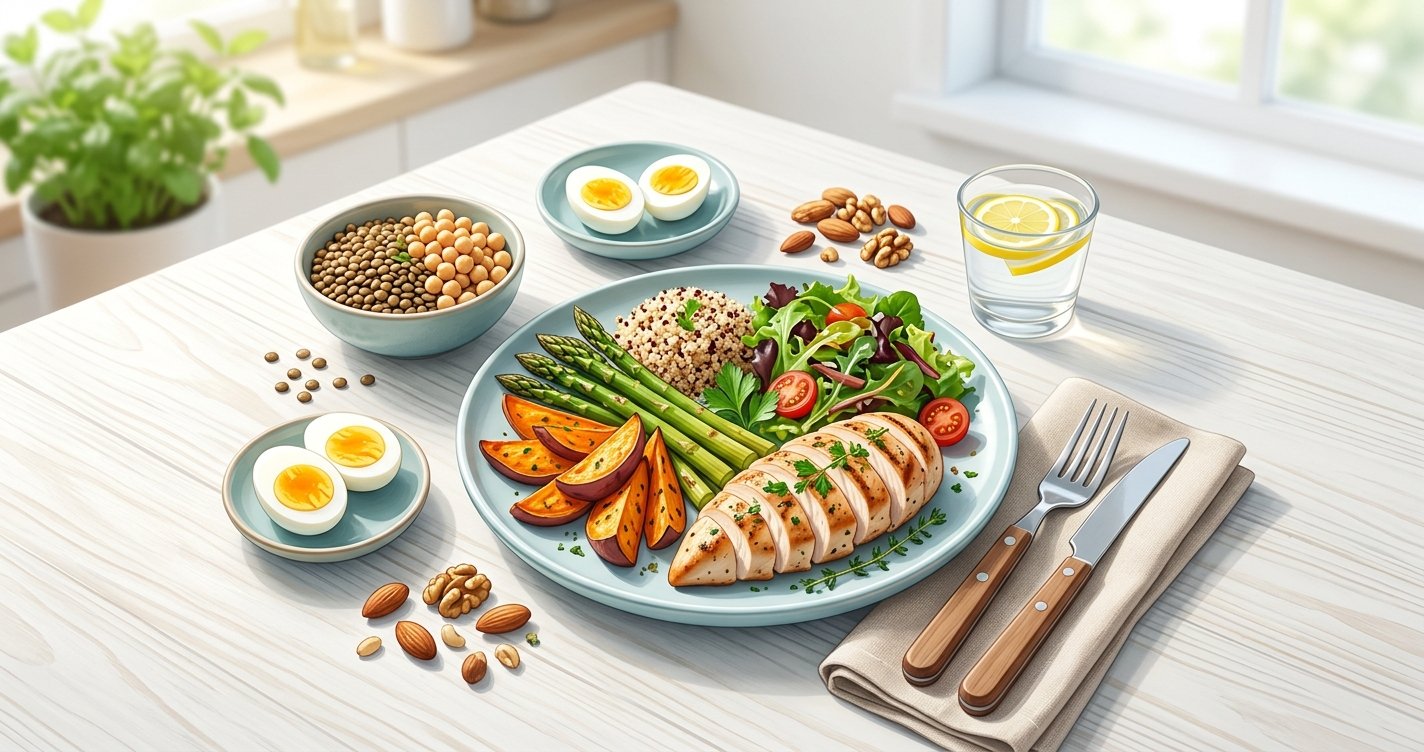
Integrating more protein into your diet doesn't have to be bland or boring. There's a vast array of delicious options to choose from:
Animal-Based Protein Sources:
- Lean Meats: Chicken breast, turkey, lean beef (sirloin, round), pork loin.
- Fish & Seafood: Salmon, tuna, cod, shrimp, scallops (rich in omega-3s too!).
- Eggs: A complete protein powerhouse, versatile and affordable.
- Dairy: Greek yogurt, cottage cheese, milk, whey protein powder (excellent for snacks and post-workout).
Plant-Based Protein Sources:
- Legumes: Lentils, chickpeas, black beans, kidney beans.
- Soy Products: Tofu, tempeh, edamame (versatile and complete proteins).
- Grains: Quinoa (a complete protein), oats.
- Nuts & Seeds: Almonds, walnuts, chia seeds, flax seeds, pumpkin seeds (also provide healthy fats).
- Plant-Based Protein Powders: Pea, rice, hemp protein (great for smoothies).
Aim for a variety to ensure you're getting a full spectrum of amino acids and other essential nutrients.
Practical Strategies to Boost Your Protein Intake (Making It Easy)
Knowing why protein is important and what to eat is one thing; consistently incorporating it into your daily diet is another. Here are some actionable tips:
- Start with Protein at Breakfast: Ditch the sugary cereal. Opt for eggs, Greek yogurt, cottage cheese, or a protein smoothie to kickstart your day with satiety.
- Include Protein in Every Meal: Make protein the centerpiece of your lunch and dinner. Think chicken salad, lentil soup, a salmon fillet with veggies, or tofu stir-fry.
- Smart Snacking: Instead of chips or cookies, reach for protein-rich snacks like a handful of almonds, a hard-boiled egg, a small container of cottage cheese, or beef jerky.
- Meal Prep for Success: Cook larger batches of protein sources (chicken, lentils, ground turkey) at the beginning of the week to easily add to meals and snacks.
- Read Food Labels: Pay attention to the protein content per serving when grocery shopping. You might be surprised where you can find hidden protein!
- Consider Supplements (When Needed): While whole foods should always be your primary source, protein powders can be a convenient way to hit your targets on busy days or post-workout.
Beyond the Scale: The Holistic Benefits of a High-Protein Diet
While fat loss is a primary goal for many, the advantages of prioritizing protein extend far beyond just shedding pounds. Embracing a protein-rich diet contributes to overall well-being in numerous ways:
- Improved Body Composition: Less fat, more lean muscle. This means a stronger, more capable body.
- Better Blood Sugar Control: Protein helps stabilize blood sugar levels, reducing spikes and crashes that can lead to cravings and energy slumps.
- Enhanced Recovery from Exercise: Protein provides the amino acids necessary for repairing and rebuilding muscle tissue after workouts, leading to faster recovery and better adaptations.
- Stronger Bones: Adequate protein intake is linked to better bone density and reduced risk of osteoporosis.
- Healthy Hair, Skin, and Nails: These tissues are primarily made of protein, so a sufficient intake contributes to their strength and vitality.
- Sustained Energy Levels: By promoting stable blood sugar and satiety, protein helps maintain consistent energy throughout the day, preventing that dreaded afternoon slump.
Embrace the Protein Advantage for Lasting Results
The journey to sustainable fat loss doesn't have to be a battle against hunger or a constant struggle with deprivation. By understanding and harnessing the power of protein, you equip yourself with a potent tool for success. From its calorie-burning thermic effect and superior satiety to its crucial role in preserving metabolism-boosting muscle, protein truly is a game-changer.
Remember, consistency is key. Start by making small, manageable changes – perhaps adding a protein source to every meal, or swapping a sugary snack for a protein-rich alternative. Listen to your body, stay hydrated, and pair your optimized nutrition with regular physical activity for the best possible outcomes. Embrace the protein advantage, and watch as you not only achieve your fat loss goals but also build a healthier, stronger, and more energetic version of yourself for the long run. Your sustainable transformation starts now!