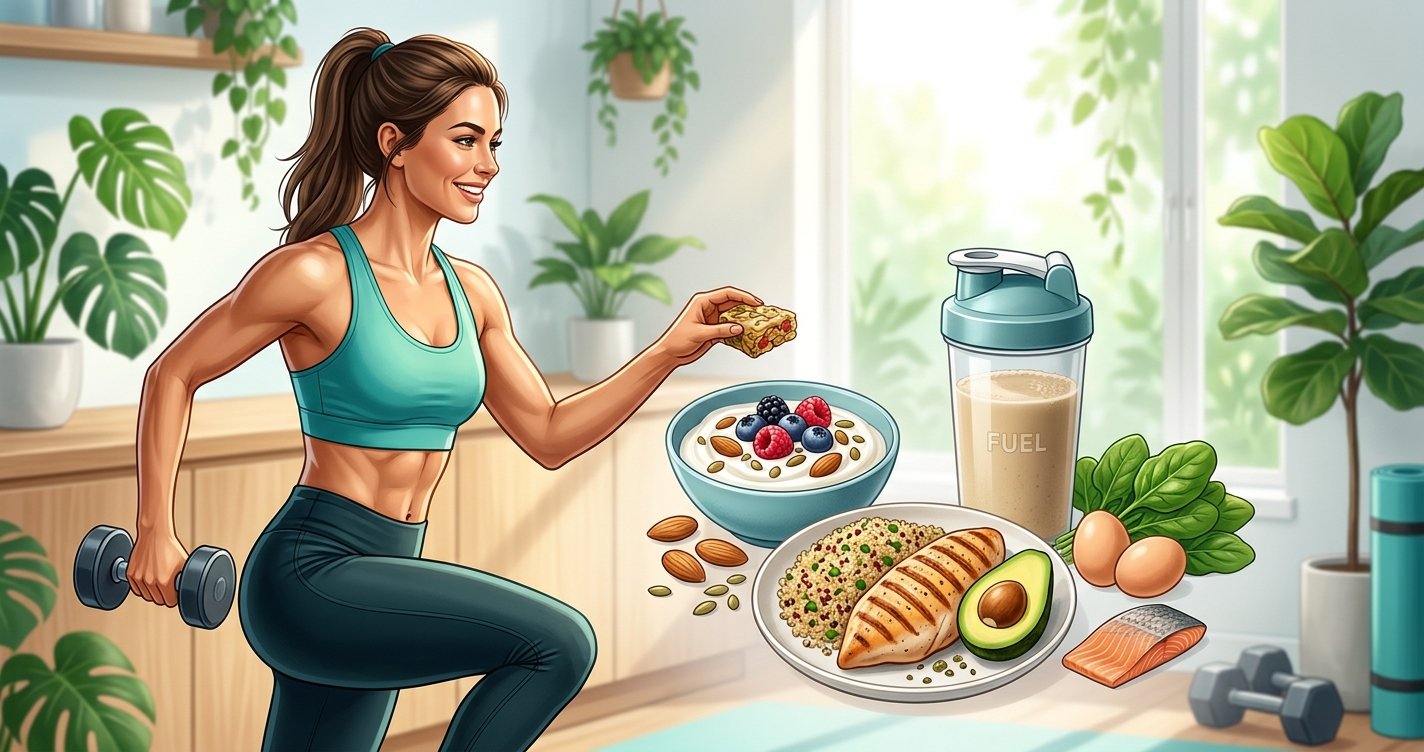
The Protein Advantage: Fueling Sustainable Fat Loss and Building a Stronger You
Hey there, fitness friend! If you've ever felt stuck on your fat loss journey, wondering if there’s a secret ingredient you’re missing, you’re not alone. Many people focus solely on cutting calories or grueling cardio, often overlooking one of the most powerful allies in their corner: protein. That’s right, the humble macronutrient often associated with bodybuilders is actually a game-changer for anyone looking to shed fat, build a leaner physique, and feel fantastic. And the best part? It’s completely evidence-based!
Forget restrictive diets and endless hunger. Today, we're diving deep into the incredible benefits of protein for sustainable fat loss, how much you really need, and practical ways to effortlessly incorporate more of it into your daily life. Get ready to unlock the protein advantage and transform your approach to a healthier, stronger you! this excellent wellness product
Why Protein is Your Fat Loss MVP (Most Valuable Player)
So, what makes protein so special when it comes to ditching unwanted fat? It's not just about building big muscles – protein plays several crucial roles that directly impact your ability to lose weight effectively and keep it off.
1. The Satiety Superstar: Keeping Hunger at Bay
One of protein's biggest superpowers is its ability to make you feel full and satisfied. Ever noticed how a high-protein meal keeps you going for hours compared to, say, a sugary snack? This isn't just a feeling; it's science!
- Hormonal Harmony: Protein helps regulate hunger hormones like ghrelin (which tells you you're hungry) and boosts satiety hormones like PYY and GLP-1 (which tell you you're full). This hormonal dance means fewer cravings, less mindless snacking, and an easier time sticking to a calorie-controlled diet.
- Extended Fullness: Protein takes longer to digest than carbohydrates or fats, meaning it stays in your stomach longer, promoting a sustained feeling of fullness. This translates to less temptation to overeat at your next meal or reach for unhealthy snacks between meals.
2. The Metabolic Maestro: Boosting Your Calorie Burn
Did you know that your body actually burns calories just to digest and process the food you eat? This is called the Thermic Effect of Food (TEF), and protein has the highest TEF of all macronutrients!
- Protein's High TEF: While fats burn about 0-3% of their calories during digestion, and carbs burn 5-10%, protein demands a whopping 20-30% of its calories to be processed. This means if you eat 100 calories of protein, your body uses 20-30 of those calories just to break it down. Over the course of a day, this small boost can add up, giving your metabolism a gentle, consistent nudge.
3. Muscle Preservation: Protecting Your Metabolic Engine
When you're in a calorie deficit (eating fewer calories than you burn), your body can sometimes break down muscle tissue for energy, not just fat. This is bad news for your metabolism, as muscle is metabolically active, meaning it burns more calories at rest than fat tissue.
- Lean Mass Guardian: Adequate protein intake is crucial for preserving your precious muscle mass during a fat loss phase. By supplying your body with the amino acids it needs, you signal to your body to hold onto muscle, ensuring that the weight you lose is primarily fat, not muscle. This helps maintain a higher resting metabolic rate, making it easier to keep the weight off in the long run.
How Much Protein Do You Really Need for Optimal Fat Loss?
While the standard Recommended Dietary Allowance (RDA) for protein is 0.8 grams per kilogram of body weight, this is often considered the minimum to prevent deficiency, not necessarily the optimal amount for active individuals or those aiming for fat loss.
For effective fat loss and muscle preservation, research suggests a higher intake. Aim for:
- 1.6 to 2.2 grams of protein per kilogram of body weight (or 0.7 to 1.0 grams per pound of body weight).
For example, if you weigh 70 kg (about 154 lbs), you'd aim for roughly 112 to 154 grams of protein per day. If you're very active or significantly overweight, you might lean towards the higher end of this range, perhaps basing it on your target body weight or lean body mass.
Don't try to consume all your protein in one sitting! Spreading your protein intake throughout the day, aiming for 20-40 grams per meal or snack, is more effective for muscle protein synthesis and satiety.
Smart Strategies to Boost Your Protein Intake Effortlessly
Increasing your protein intake doesn't have to be complicated or boring. Here are some simple, delicious ways to make protein a star in your diet:
- Prioritize Protein at Every Meal: Make protein the centerpiece of your breakfast, lunch, and dinner. Think eggs, Greek yogurt, chicken breast, fish, lean beef, tofu, or lentils.
- Smart Snacking: Swap out sugary or carb-heavy snacks for protein-rich options. Hard-boiled eggs, a handful of almonds, cottage cheese, Greek yogurt, or a protein shake can be excellent choices.
- Lean Protein Powerhouses: Focus on lean sources to keep your overall calorie intake in check. Chicken breast, turkey, fish (salmon, tuna, cod), lean cuts of beef, eggs, and low-fat dairy are fantastic options.
- Plant-Based Power: If you're vegetarian or vegan, you have plenty of options! Tofu, tempeh, edamame, lentils, beans, quinoa, seitan, and various nuts and seeds are packed with protein. Combining different plant sources can ensure you get all essential amino acids.
- Don't Forget Breakfast: Start your day strong. Instead of just toast or cereal, try scrambled eggs, Greek yogurt with berries, or a protein smoothie.
- Meal Prepping: Cook larger batches of protein sources like grilled chicken or roasted chickpeas at the beginning of the week to easily add to your meals.
- Supplements (Use Wisely): Protein powders (whey, casein, plant-based) can be a convenient way to hit your protein targets, especially post-workout or when you're on the go. Remember, they are supplements, not replacements for whole foods.
Beyond Protein: A Holistic Approach to Sustainable Fat Loss
While protein is a powerful tool, it’s important to remember that it’s part of a larger picture. Sustainable fat loss thrives when you adopt a holistic approach:
- Calorie Deficit is Still King: Protein helps you achieve and sustain a calorie deficit more comfortably, but you still need to consume fewer calories than you burn to lose fat.
- Embrace Strength Training: Lifting weights or doing bodyweight exercises works synergistically with protein to build and preserve muscle mass, further boosting your metabolism.
- Prioritize Sleep: Quality sleep is crucial for hormone regulation, including those that control hunger and fat storage. Aim for 7-9 hours per night.
- Manage Stress: Chronic stress can elevate cortisol levels, which can promote belly fat storage. Find healthy ways to relax and de-stress.
- Stay Hydrated: Drinking enough water can help with satiety, boost metabolism, and keep your body functioning optimally.
Common Protein Pitfalls to Avoid
Even with the best intentions, it's easy to make a few missteps:
- Ignoring Overall Calories: While protein is great, it still contains calories. Eating too much of anything, even protein, can prevent fat loss if it pushes you over your calorie target.
- Over-Reliance on Supplements: Whole food sources provide a wider array of nutrients, fiber, and micronutrients that powders often lack. Use supplements as a convenient boost, not your sole source.
- Lack of Variety: Eating the same protein sources every day can lead to boredom and potentially missing out on diverse nutrients. Mix it up!
- Not Tracking: Especially when starting, it can be hard to accurately estimate your protein intake. Use a food tracking app for a few days to get a realistic picture.
Your Action Plan: Making Protein Work for You
Ready to put the protein advantage into practice? Here's how to start:
- Calculate Your Target: Use the 1.6-2.2g/kg rule to estimate your daily protein goal.
- Assess Your Current Intake: For a day or two, track your food to see how much protein you're currently consuming.
- Identify Opportunities: Where can you easily add more protein? A scoop of powder in your smoothie? Eggs for breakfast? Lentils in your soup?
- Start Small, Be Consistent: Don't try to overhaul your entire diet overnight. Make one or two sustainable changes and build from there. Consistency is key!
- Experiment: Discover new high-protein recipes and snacks that you genuinely enjoy.
- Listen to Your Body: Pay attention to how different protein sources make you feel. Find what works best for your digestion and energy levels.
Embrace the Protein Advantage for a Leaner, Stronger You!
Protein isn't just a macronutrient; it's a strategic ally in your quest for sustainable fat loss. By understanding its power to boost satiety, fire up your metabolism, and protect your hard-earned muscle, you can transform your approach to nutrition.
Remember, this isn't about perfection, but about progress. By consciously prioritizing protein alongside a balanced diet, regular movement, and healthy lifestyle habits, you're not just losing fat—you're building a stronger, healthier, and more vibrant you, one delicious, protein-packed meal at a time. You've got this!