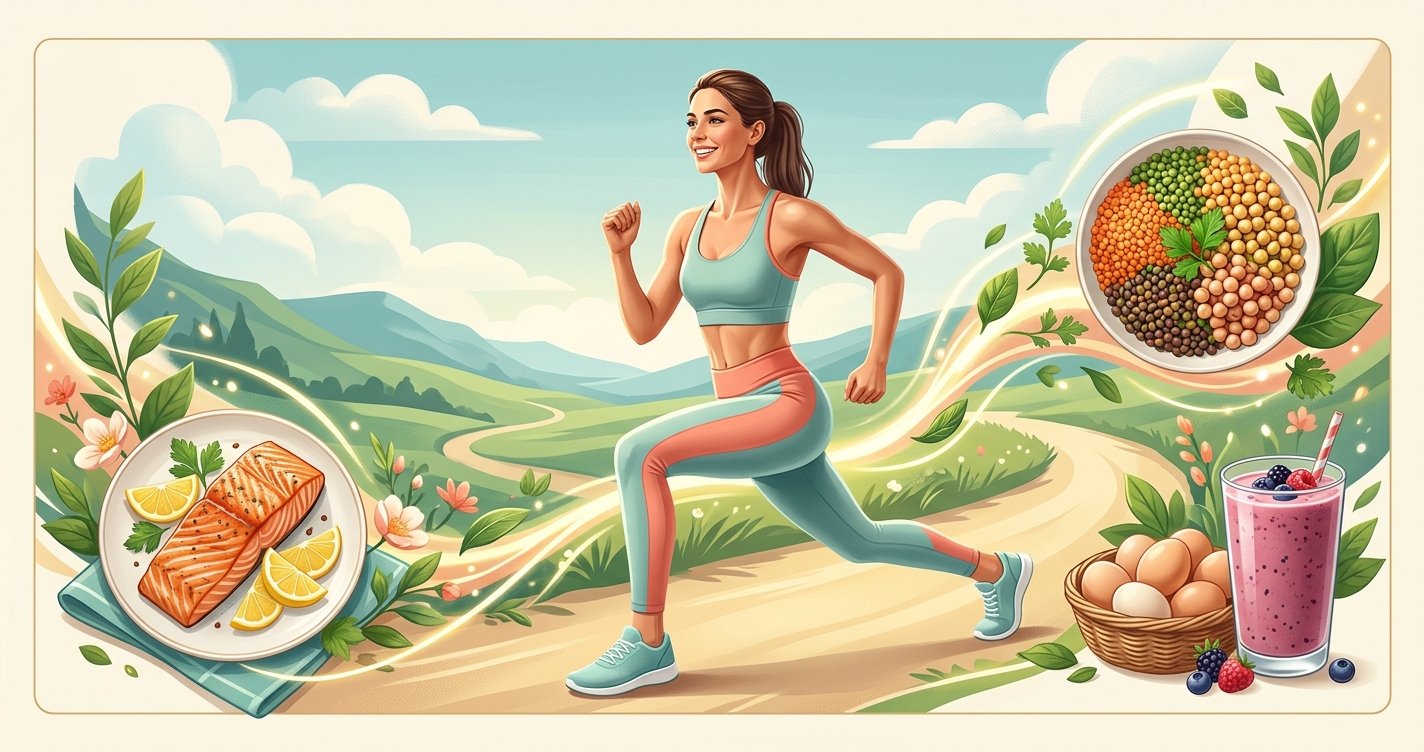
The Protein Advantage: Unlocking Sustainable Fat Loss and a Leaner You
Are you tired of the endless cycle of restrictive diets, fleeting results, and the frustration of yo-yo weight? You’re not alone. The journey to sustainable fat loss can feel like a complex puzzle, but what if one crucial piece could make all the difference? Enter protein – your often-underestimated, yet incredibly powerful ally in achieving a leaner, healthier you.
Forget the fads and quick fixes. This isn't about deprivation; it's about smart, evidence-based nutrition. In this comprehensive guide, we'll dive deep into why protein is an absolute game-changer for fat loss, how much you truly need, and practical ways to integrate it seamlessly into your daily life. Get ready to transform your approach to eating and empower your body for lasting success. this excellent wellness product
Why Protein is Your Fat Loss MVP (Most Valuable Player)
Protein isn't just for bodybuilders; it's a foundational nutrient for anyone looking to optimize their body composition. Its unique properties make it a standout performer in the fat loss arena, influencing everything from your appetite to your metabolism.
1. The Satiety Superstar: Feeling Fuller, Longer
One of protein's most celebrated benefits is its remarkable ability to keep you feeling full and satisfied. Research consistently shows that a higher protein intake significantly boosts satiety compared to diets lower in protein. This isn't just a feeling; it's a physiological response.
- Hormonal Harmony: Protein stimulates the release of satiety hormones like GLP-1 and PYY, which signal to your brain that you're full, reducing hunger pangs and the urge to overeat.
- Reduced Cravings: By stabilizing blood sugar levels, protein helps prevent the sharp spikes and crashes that often lead to intense cravings for sugary or high-carb snacks. When you feel genuinely satisfied, sticking to your fat loss goals becomes infinitely easier.
Imagine going through your day feeling less hungry, experiencing fewer cravings, and naturally consuming fewer calories without feeling deprived. That's the protein advantage at work.
2. Boosting Your Metabolism: The Thermic Effect and Muscle Preservation
Your body expends energy to digest, absorb, and metabolize the food you eat. This is known as the Thermic Effect of Food (TEF). Protein has the highest TEF of all macronutrients, meaning you burn more calories simply by digesting it!
- Calorie Burn Boost: While carbohydrates have a TEF of 5-10% and fats 0-3%, protein boasts a TEF of 20-30%. This means for every 100 calories of protein you consume, 20-30 of those calories are used just to process it. It's like a metabolic mini-workout with every meal!
- Muscle Matters: During a calorie deficit (essential for fat loss), your body can sometimes break down muscle tissue for energy. This is where protein becomes critical. A high protein intake helps preserve lean muscle mass, which is vital because muscle is more metabolically active than fat. More muscle means a higher resting metabolic rate (RMR), allowing you to burn more calories even at rest. Protecting your muscle mass is key to preventing the dreaded metabolic slowdown often associated with dieting.
3. Repair, Rebuild, and Recover: The Foundation of a Stronger You
Protein is the building block of life, essential for repairing tissues, producing enzymes and hormones, and supporting overall bodily functions. When you're engaging in regular exercise, especially strength training, protein becomes even more crucial for muscle repair and growth. This isn't just about aesthetics; stronger muscles mean better functional movement, reduced injury risk, and a more robust metabolism.
How Much Protein Do You Really Need for Fat Loss?
While general guidelines for protein intake exist, the optimal amount for fat loss can vary based on individual factors like activity level, age, and current body weight. However, for those actively pursuing fat loss and preserving muscle, experts generally recommend a higher intake than the standard dietary reference intake.
- General Recommendation: Aim for approximately 0.7 to 1.0 gram of protein per pound of your ideal body weight (or 1.6-2.2 grams per kilogram). So, if you weigh 150 pounds, targeting 105-150 grams of protein per day would be a good starting point.
- Spread it Out: Instead of trying to consume all your protein in one meal, distribute your intake evenly throughout the day. Aim for 20-40 grams of protein per meal and snack to maximize muscle protein synthesis and satiety.
- Listen to Your Body: These are guidelines. Pay attention to how you feel. Are you feeling satiated? Are your energy levels stable? Adjust as needed.
Practical Strategies to Boost Your Protein Intake
Incorporating more protein into your diet doesn't have to be complicated or bland. With a few smart swaps and planning, you can easily hit your targets.
1. Prioritize Protein at Every Meal
Make protein the star of your plate. Instead of thinking of protein as an afterthought, build your meals around it.
- Breakfast: Start strong! Scrambled eggs, Greek yogurt with berries, a protein smoothie, or cottage cheese.
- Lunch & Dinner: Include a lean protein source like chicken breast, fish (salmon, cod), lean beef, turkey, tofu, tempeh, or lentils.
- Snacks: Keep high-protein options handy: a handful of almonds, hard-boiled eggs, a protein bar, or a small container of Greek yogurt.
2. Smart Swaps and Additions
- Swap: Choose protein-rich alternatives for common staples. For example, swap regular pasta for chickpea or lentil pasta, or opt for whole-wheat bread topped with eggs instead of just jam.
- Add: Boost the protein content of existing meals. Add a scoop of protein powder to your oatmeal or smoothie, sprinkle seeds (chia, hemp) on salads, or add cottage cheese to scrambled eggs.
3. Plan Ahead and Prepare
Consistency is key. Meal prepping can be a lifesaver for busy schedules.
- Cook in Bulk: Dedicate some time once or twice a week to cook larger batches of lean protein sources like grilled chicken, baked salmon, or roasted chickpeas.
- Stock Your Pantry: Keep canned tuna, salmon, beans, lentils, and protein bars on hand for quick, easy protein boosts.
Integrating Protein with Other Fat Loss Fundamentals
While protein is a powerful tool, it's most effective when combined with other healthy habits. Think of it as a crucial ingredient in a well-balanced recipe for success.
1. Don't Forget Fiber and Healthy Fats
Fiber-rich vegetables, fruits, and whole grains work synergistically with protein to enhance satiety, support gut health, and provide essential nutrients. Healthy fats from avocados, nuts, seeds, and olive oil are also vital for hormone production, nutrient absorption, and long-term satisfaction.
2. The Power of Strength Training
To truly harness protein's muscle-preserving and building benefits, combine your diet with regular resistance training. Lifting weights signals to your body that you need to retain and build muscle, maximizing your body recomposition efforts and boosting your metabolism.
3. Hydration, Sleep, and Stress Management
No fat loss plan is complete without addressing these foundational elements. Adequate hydration supports metabolism and satiety, quality sleep helps regulate hunger hormones and energy levels, and managing stress can prevent emotional eating and reduce cortisol-related fat storage. Protein helps, but it’s not a magic bullet without these pillars.
Common Protein Myths Debunked
Don't let misinformation hinder your progress. Let's clear up some common protein myths:
- Myth: Too much protein is bad for your kidneys.
Fact: For healthy individuals with no pre-existing kidney conditions, a high-protein diet is generally safe and does not cause kidney damage. Always consult your doctor if you have concerns. - Myth: Protein makes you bulky.
Fact: Building significant muscle mass requires intense training, a caloric surplus, and specific hormonal profiles (which women typically don't have). Protein supports muscle tone and preservation, leading to a lean, rather than bulky, physique. - Myth: You can only absorb X grams of protein per meal.
Fact: While muscle protein synthesis might be maximized at around 20-40 grams per meal, your body can still absorb and utilize larger amounts of protein. It just might take longer to digest, contributing to prolonged satiety.
Embrace the Protein Advantage for Lasting Fat Loss
You now have the knowledge to leverage protein as a powerful ally in your fat loss journey. By understanding its role in satiety, metabolism, and muscle preservation, you can make informed choices that lead to sustainable results.
Remember, fat loss is a journey, not a destination. It’s about building healthy habits, consistency, and making choices that nourish your body and support your goals. Start by making small, actionable changes – add a protein source to every meal, plan your snacks, and combine your nutrition efforts with regular movement. With protein on your side, you're not just losing weight; you're building a stronger, leaner, and healthier version of yourself, ready to thrive.