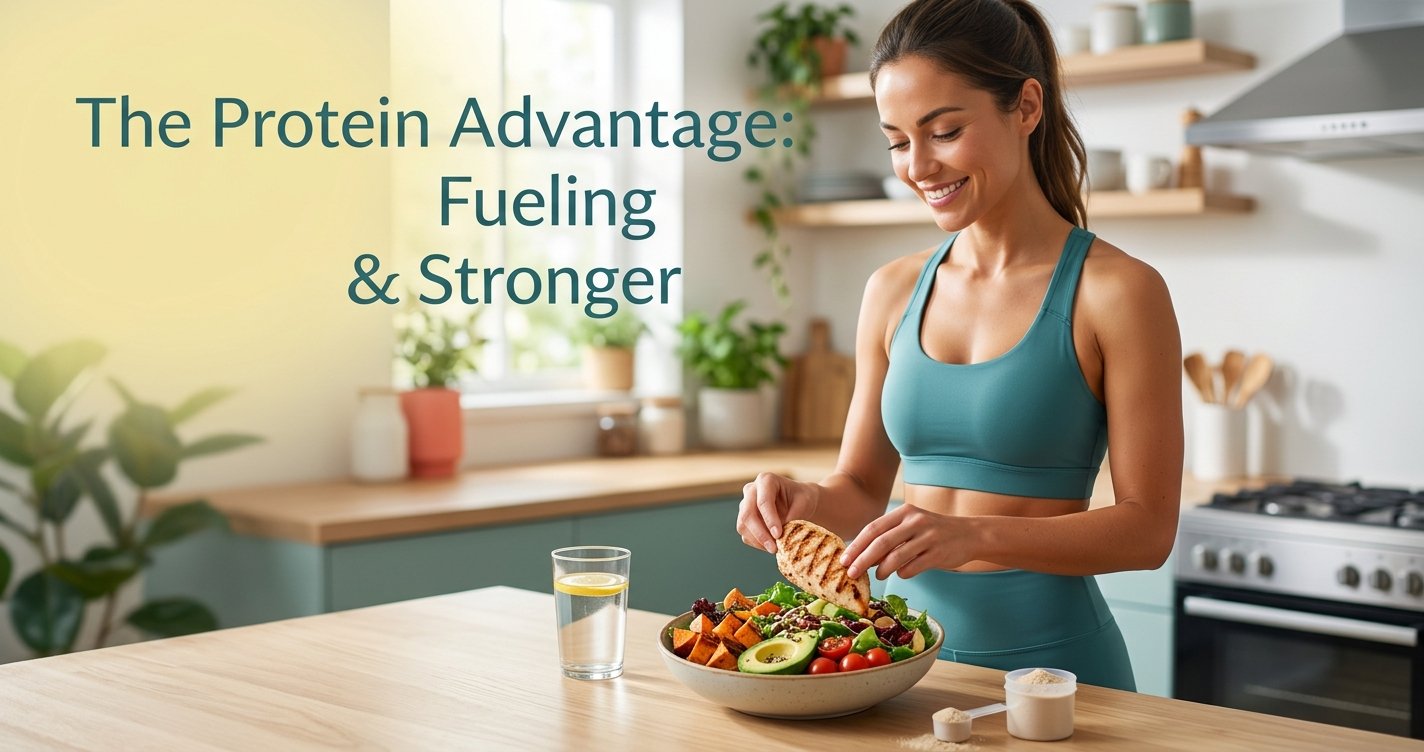
The Protein Advantage: Fueling Sustainable Fat Loss & Building a Stronger You
Embarking on a fat loss journey can feel like navigating a complex maze, with countless diets, fads, and conflicting advice at every turn. But what if there was one nutritional powerhouse that could significantly simplify your path, make the journey more enjoyable, and deliver truly sustainable results? Enter protein – your ultimate ally in the quest for a leaner, healthier, and stronger you.
Forget the old myths about protein being just for bodybuilders. Modern science consistently shows that adequate protein intake is a cornerstone of effective and sustainable fat loss for everyone. It's not just about shedding pounds; it's about transforming your body composition, preserving precious muscle, and feeling fantastic from the inside out. In this guide, we'll dive deep into why protein is your fat loss MVP (Most Valuable Player), how much you truly need, the best sources, and practical strategies to seamlessly integrate it into your daily life. Get ready to unlock the protein advantage! this excellent wellness product
Why Protein is Your Fat Loss MVP (Most Valuable Player)
Protein isn't just a nutrient; it's a strategic weapon in your fat loss arsenal. Its unique properties make it indispensable for anyone looking to optimize their body composition and achieve lasting results. Let's break down its superpowers:
1. The Satiety Superstar: Keeps Cravings at Bay
One of the biggest challenges in fat loss is managing hunger and cravings. Protein is king when it comes to satiety – the feeling of fullness and satisfaction after eating. Studies consistently show that a higher protein intake can significantly reduce appetite, leading to fewer calories consumed throughout the day without feeling deprived. When you feel fuller for longer, you're less likely to reach for unhealthy snacks, making it easier to stick to your calorie goals.
2. The Thermic Effect of Food (TEF): Burning More Calories Just by Eating
Did you know that your body burns calories just by digesting food? This is known as the Thermic Effect of Food (TEF), and protein has the highest TEF of all macronutrients. Approximately 20-30% of the calories from protein are expended during its digestion and metabolism, compared to 5-10% for carbohydrates and 0-3% for fats. This means that by simply increasing your protein intake, you're boosting your daily calorie expenditure, giving you a slight metabolic edge.
3. Muscle Preservation: Protecting Your Metabolism
When you're in a calorie deficit (eating fewer calories than you burn) to lose fat, there's always a risk of losing muscle mass along with fat. This is detrimental because muscle is metabolically active tissue – it burns more calories at rest than fat does. A higher protein intake, especially when combined with strength training, helps signal your body to hold onto muscle tissue while primarily burning fat for energy. Preserving muscle means maintaining a healthy metabolism, which is crucial for long-term weight management and preventing rebound weight gain.
How Much Protein Do You Really Need for Fat Loss?
This is a common question, and the answer isn't a one-size-fits-all, but there are evidence-based guidelines that can help. While the Recommended Dietary Allowance (RDA) for protein is 0.8 grams per kilogram of body weight for general health, research suggests that for fat loss and muscle preservation, a higher intake is beneficial.
- General Recommendation for Fat Loss: Aim for approximately 1.6 to 2.2 grams of protein per kilogram of body weight (or 0.7 to 1.0 grams per pound of body weight).
- Example: If you weigh 70 kg (about 154 lbs), you'd aim for roughly 112-154 grams of protein per day.
- Considerations: Your activity level plays a role. If you're very active or engage in regular strength training, you might benefit from the higher end of this range.
Don't fret if these numbers seem high at first. We'll explore practical ways to hit these targets without feeling overwhelmed. And rest assured, for healthy individuals, there's no strong evidence that a higher protein intake within these ranges is harmful to kidney health, a common misconception.
Protein Sources: Fueling Your Body Smartly
Variety is key! Incorporating a mix of high-quality protein sources will ensure you get a full spectrum of essential amino acids and other vital nutrients.
Animal-Based Protein Sources:
- Lean Meats: Chicken breast, turkey, lean beef (sirloin, round), pork loin.
- Fish & Seafood: Salmon, tuna, cod, shrimp, sardines (rich in Omega-3s too!).
- Eggs: A complete protein, versatile, and affordable.
- Dairy: Greek yogurt, cottage cheese, milk, whey protein (excellent for snacks and post-workout).
Plant-Based Protein Sources:
- Legumes: Lentils, chickpeas, black beans, kidney beans.
- Soy Products: Tofu, tempeh, edamame (versatile for cooking).
- Grains: Quinoa (a complete protein), oats.
- Nuts & Seeds: Almonds, peanuts, chia seeds, flax seeds, pumpkin seeds (also provide healthy fats).
- Plant-Based Protein Powders: Pea, rice, hemp protein (great for smoothies).
Mixing and matching these sources throughout your day will not only keep your meals interesting but also ensure optimal nutrient intake.
Practical Strategies for Boosting Your Protein Intake
Knowing why and how much is great, but how do you actually do it? Here are actionable tips to make protein a priority in your diet:
- Start Your Day with Protein: Instead of sugary cereals, opt for eggs, Greek yogurt, cottage cheese, or a protein smoothie. A high-protein breakfast sets the tone for the day, reducing morning cravings.
- Make Protein the Star of Every Meal: When planning lunch and dinner, think about your protein source first. Build your meal around lean meat, fish, legumes, or tofu, then add vegetables and healthy carbs.
- Smart Snacking: Ditch empty-calorie snacks. Keep protein-rich options handy like hard-boiled eggs, a handful of almonds, a protein bar, or Greek yogurt.
- Add Protein to Unexpected Places: Stir protein powder into oatmeal, add lentils to soups, sprinkle nuts and seeds on salads, or mix cottage cheese into scrambled eggs.
- Meal Prep for Success: Cook larger batches of lean protein (chicken, ground turkey) at the beginning of the week to easily add to salads, wraps, or quick dinners.
- Hydrate Thoughtfully: Sometimes thirst is mistaken for hunger. Drink plenty of water throughout the day.
Beyond the Plate: The Holistic Approach to Fat Loss
While protein is a powerful tool, it's part of a larger ecosystem for sustainable fat loss. To maximize your results, remember to:
- Maintain a Calorie Deficit: Protein helps you achieve this comfortably, but ultimately, you need to consume fewer calories than you burn.
- Incorporate Strength Training: This is crucial for building and preserving muscle mass, which works synergistically with protein intake for body recomposition.
- Prioritize Sleep: Poor sleep can increase hunger hormones and make fat loss harder. Aim for 7-9 hours of quality sleep.
- Manage Stress: Chronic stress can elevate cortisol, potentially hindering fat loss. Find healthy ways to cope with stress.
Common Protein Pitfalls & How to Avoid Them
Even with the best intentions, it's easy to fall into common traps. Be mindful of these:
- Not Enough Variety: Relying on just one or two protein sources can lead to nutrient deficiencies and boredom. Mix it up!
- Ignoring Overall Diet Quality: While protein is essential, don't neglect fruits, vegetables, and whole grains. A balanced diet is always the goal.
- Relying Solely on Supplements: Protein supplements are great tools, but they shouldn't replace whole food sources. Think of them as supplements, not substitutes.
- Underestimating Portions: It's easy to think you're eating enough protein when you're not. Use a food scale or measuring cups occasionally to get a better sense of portion sizes.
Conclusion: Embrace the Protein Advantage for Lasting Results
Protein isn't just a trend; it's a fundamental pillar of sustainable fat loss and overall health. By understanding its profound impact on satiety, metabolism, and muscle preservation, you gain an incredible advantage in your fitness journey. It empowers you to build a stronger body, maintain a healthier weight, and feel energized and satisfied without constant hunger.
Start by making small, consistent changes. Focus on including a quality protein source at every meal, experimenting with new recipes, and listening to your body. Embrace the protein advantage, and watch as you not only shed unwanted fat but also build a more resilient, vibrant, and stronger you for the long haul. Your journey to a healthier lifestyle just got a whole lot more delicious and effective!